
Kotor Cruise Port Guide
Arriving in Kotor by cruise ship: whether you dock or tender, the short walk to the Old Town, the best shore excursions, currency and crowds, and how to build a back-on-board buffer around the bay's slow roads and the walls climb.

Photo: Polina Rytova / Unsplash
- ✓Kotor is a marquee Adriatic call: ships dock or tender right beside the Old Town, a few minutes' walk from the Sea Gate — no long port transfer needed.
- ✓Larger ships often anchor and tender in, while smaller ships berth alongside; whether your ship docks or tenders changes how long it takes to get ashore and back.
- ✓Because every passenger lands at once, cruise mornings are the busiest hours in the walled town and on the climb to St John Fortress — plan around the peak, not into it.
- ✓A short call comfortably covers the Old Town plus one big thing — the walls climb or a Perast boat — but not both at a relaxed pace.
- ✓Montenegro uses the euro; cards are widely taken in town, but carry some cash for small konobas, boatmen and the odd kiosk.
- ✓The bay road and the walls both move slowly in summer heat, so build a generous back-on-board buffer and confirm your all-aboard time.
Docking or tendering: getting ashore
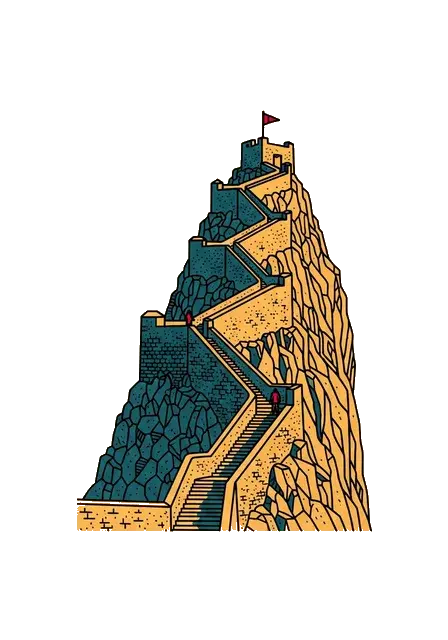
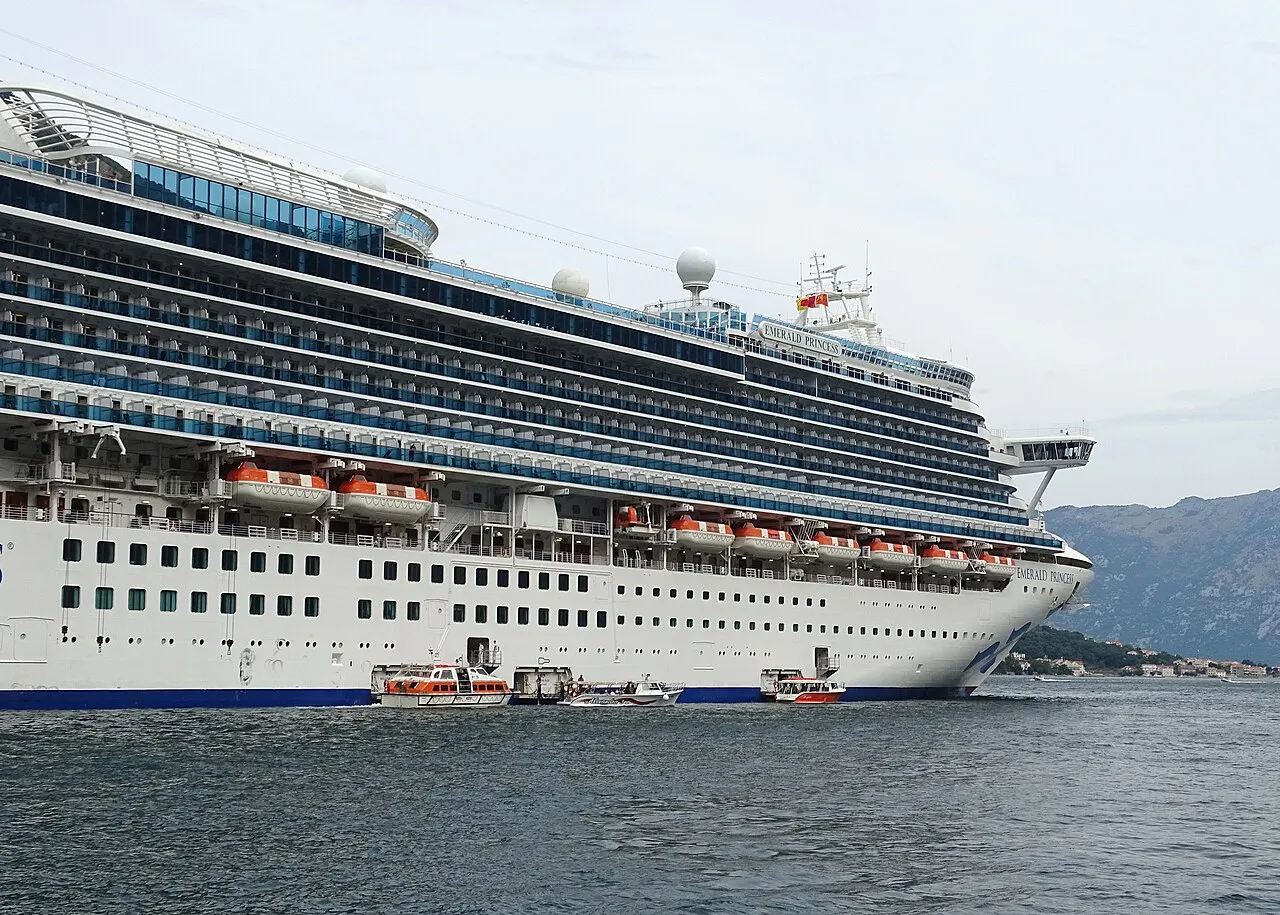
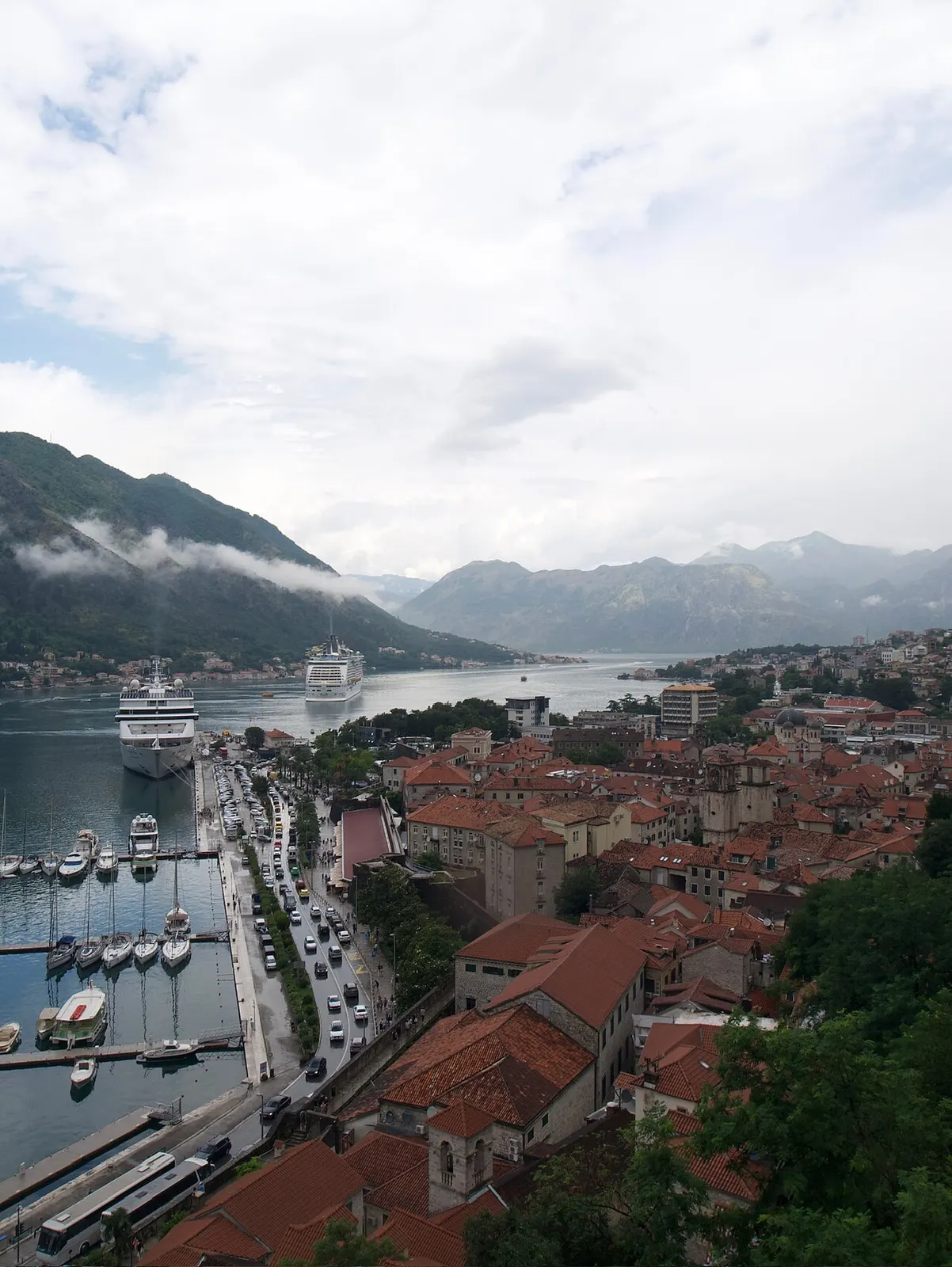
Few ports in the Mediterranean put you this close to the sight itself. Kotor's berth and tender landing sit on the quay directly outside the walls of the Old Town, so within minutes of stepping ashore you are at the Sea Gate, the main entrance into the medieval lanes. There is no shuttle to arrange and no long transfer to the centre — the town is right there, framed by the fortress walls zigzagging up the mountain behind it. It is one of the great arrivals in cruising.
How you get ashore depends on your ship. Smaller vessels berth alongside the quay, and you simply walk off; larger ships often anchor out in the bay and run tenders in, which adds time at both ends and can bunch up when several thousand passengers want ashore at once. The narrow, dramatic Bay of Kotor — a flooded river canyon ringed by mountains — also limits how many and how large the ships that call can be, which is part of why the sail-in is so spectacular and why the town can still feel overwhelmed on a busy day. Check your ship's own daily programme for whether you dock or tender and what the boarding arrangements are.

Making a short call count
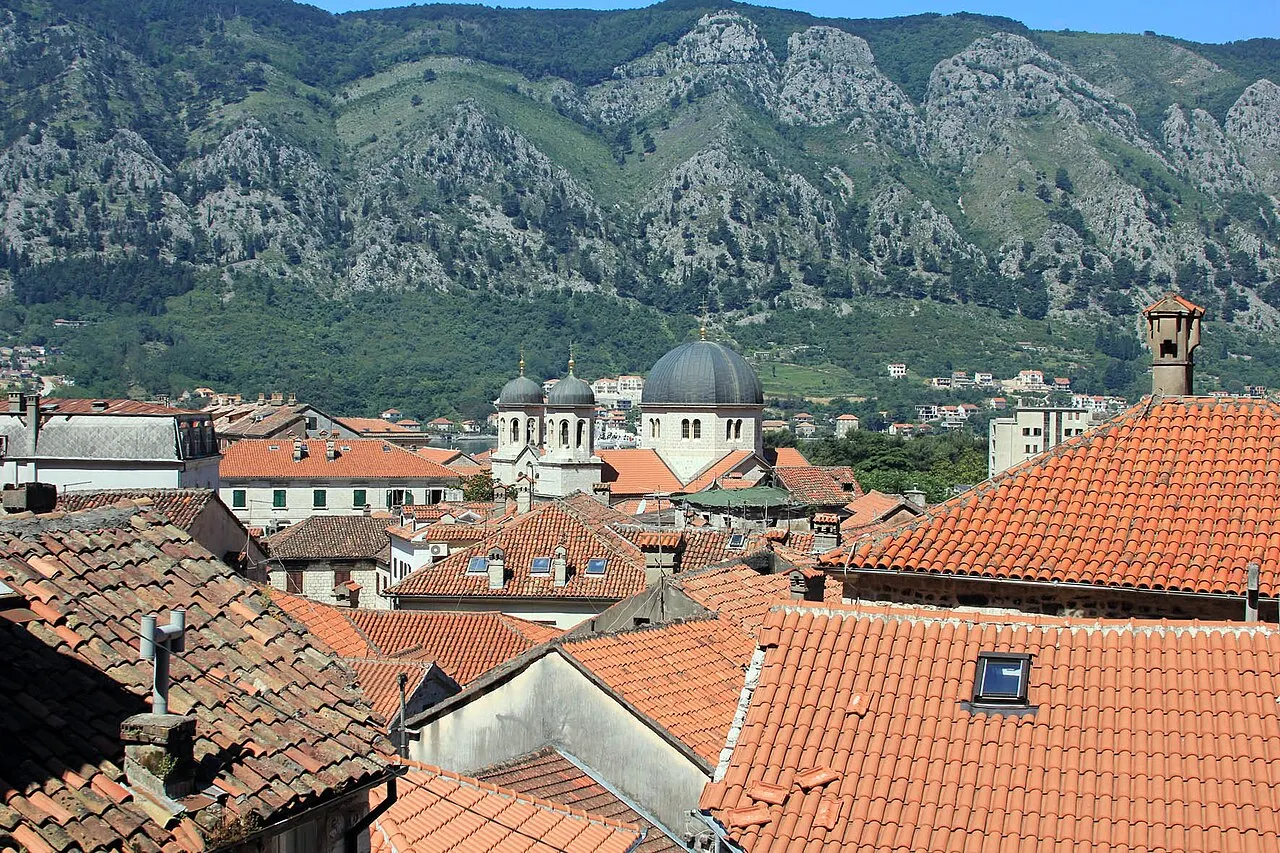
With a limited window ashore, the trick is to choose one headline experience and do it well rather than rush three. If you want the famous view, climb the city walls to St John Fortress first thing — the roughly 1,350 steps and 260 m of ascent are far kinder before the midday heat and the cruise crowds build — then drop back into the Old Town for coffee, the cathedral of St Tryphon and a wander through the squares. If you would rather be on the water, a short boat to Perast and Our Lady of the Rocks is a better use of a half-day than a hurried climb, and shows off the bay that made Kotor famous.
Independent exploring is easy because everything is so close, but ship-organised shore excursions are worth considering for anything beyond town — the serpentine drive up to Lovćen and Cetinje, or a longer bay boat — since they guarantee you are back before all-aboard. Whatever you choose, do not try to combine the walls climb and a bay boat in a single short call; either alone fills the time pleasantly, both together leaves you watching the clock.
- Pick one headline: the early walls climb, or a short Perast and Our Lady of the Rocks boat.
- Climb at first light to beat the heat and the crowds, then explore the lanes and the cathedral.
- For anything beyond town — Lovćen, Cetinje, a longer bay trip — a ship excursion guarantees you make all-aboard.
- Do not attempt both the climb and a bay boat in one short call — either alone fills the time.
 Kotor Cruise-Day Itinerary
An hour-by-hour plan for a single call — the climb, the Old Town and the timing.
 Kotor Shore Excursions
The best excursions from a Kotor call, from the walls and Perast to Lovćen and Cetinje.
Map pins
Map data © OpenStreetMap contributors · Tiles © OpenFreeMap
Crowds, currency and the cruise-day rhythm
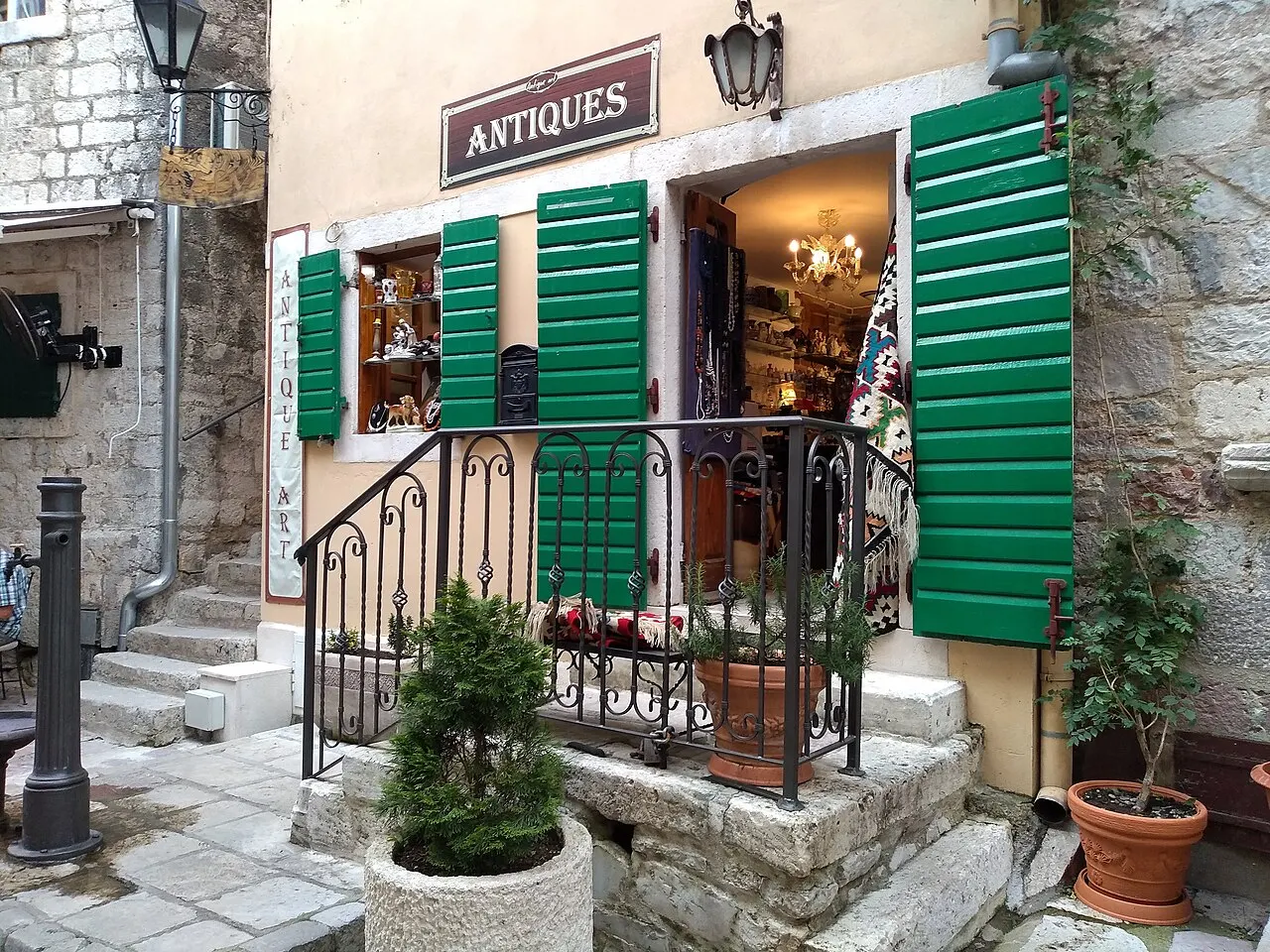
The flip side of Kotor's convenience is that everyone lands into the same compact, car-free town at roughly the same time. On a big cruise morning the lanes, the cathedral and especially the walls climb are at their most crowded, and on days when several ships call together the Old Town can feel genuinely full. The way to enjoy it is to move against the flow: be at the Sea Gate or on the stairs early, before the bulk of passengers disembark, and save the busiest midday hours for a long, shaded lunch or a boat out onto the water. Independent travellers who plan around the peak have a far better day than those who join the late-morning crush.
On money, Montenegro uses the euro despite not being in the European Union, which surprises some passengers. Cards are widely accepted in the Old Town's restaurants and shops, but it is worth carrying some cash for small konobas, boatmen running the Perast trips, market stalls and the occasional kiosk. There is no need to change money specially if you already hold euros. We keep the volatile details — the day's exact cruise schedule, whether your ship docks or tenders, excursion prices and any port fees — out of the prose and point you to the official port source, because they change call by call and we will not guess them.
- Cruise mornings are the busiest hours — go early and against the flow, saving midday for lunch or a boat.
- Several ships can call at once; check the day's schedule so a crowded peak does not catch you out.
- Currency is the euro; cards are widely taken, but carry cash for konobas, boatmen and kiosks.
- Verify the day's call schedule, dock-or-tender status and excursion details from the official port source.


Timing your return to the ship
The one mistake to avoid on a Kotor call is cutting your back-on-board time fine. Two things run slowly here in season: the walls climb, where summer heat on the bare limestone turns the descent into a careful, sweaty business; and the bay road, which any excursion beyond town must use and which clogs with traffic and tour coaches on a busy day. Tendering adds another variable — if your ship anchors out, the queue for the last tenders back can be long when everyone returns at once. Add all of that up and a buffer that feels generous on paper is about right in practice.
Set your own all-aboard time in your head an hour earlier than the official one, and treat any independent excursion's return as the thing to plan backwards from. If you are climbing the walls, start down in good time rather than lingering at the fortress for one more photo; if you are out on a Perast boat, confirm the return time with the operator before you set off. Kotor rewards a relaxed, early-bird day far more than a rushed one — see one thing well, leave the buffer, and let the bay's beauty do the rest.
- Build a generous buffer — the walls descent and the bay road are both slow in summer heat.
- If your ship tenders, allow for a queue on the last tenders back when everyone returns at once.
- Set a personal all-aboard time an hour before the official one and plan excursions backward from it.
- Confirm return times with any independent boat or tour operator before you set off.
Kotor cruise port at a glance
Use this quick card to plan a call. The shape of a Kotor cruise day — the close-in dock or tender, the short walk to the walls, the crowd peak and the slow roads — is evergreen; the volatile details (the day's schedule, dock-or-tender status, excursion prices, port fees) change call by call, so verify them from the official port source before you commit.
- Arrival: ships dock or tender right beside the Old Town — a few minutes' walk to the Sea Gate, no shuttle needed.
- Dock vs tender: smaller ships berth alongside; larger ships often anchor and tender — tendering adds time at both ends.
- Best short-call plan: the early walls climb or a Perast boat, plus the Old Town — not both.
- Crowds: busiest on cruise mornings and when several ships call; go early and against the flow.
- Money: euro currency, cards widely taken, but carry some cash for konobas and boatmen.
- Verify directly: the day's schedule, dock-or-tender status, excursion prices and port fees, via the official port source.