
Things to Do in Kotor
The best things to do in Kotor: the walled Old Town and its squares, St Tryphon Cathedral, the climb to St John Fortress, the cats, the viewpoints and a boat out onto the bay.

Photo: Faruk Kaymak / Unsplash
- ✓Kotor's UNESCO-listed Old Town (Stari Grad) is tiny and car-free — you can cross it in ten minutes and still get pleasantly lost in its lanes.
- ✓The headline experience is the wall climb to St John Fortress (San Giovanni): a steep stone path to roughly 260 m above the bay.
- ✓The town navigates by squares, not street names — Arms Square, Flour Square, St Tryphon Square — anchored by the Romanesque cathedral.
- ✓Kotor's free-roaming cats are its unofficial mascots, with a small museum of their own near the centre.
- ✓The bay is half the trip: a short boat to Perast and Our Lady of the Rocks rewards a slow half-day on the water.
Say it like a local
Tap to hear each one spoken.
How to think about a Kotor visit
Kotor rewards wandering more than ticking off a list, but a little structure helps you fit the big things around the heat and the crowds. The town really has three layers: the walled Old Town you explore on foot, the ramparts that climb the cliff behind it, and the bay that opens out in front. Most good Kotor days move between all three — lanes in the cool hours, the climb at the edges of the day, and the water in between.
The other constant to plan around is the cruise rhythm. Kotor is a marquee Adriatic call, and on a big ship day the lanes, the cathedral and especially the climb are busiest from mid-morning to mid-afternoon. Land inside the walls early or save the headline sights for after the ships sail, and the same town feels half-empty.
Start inside the walls
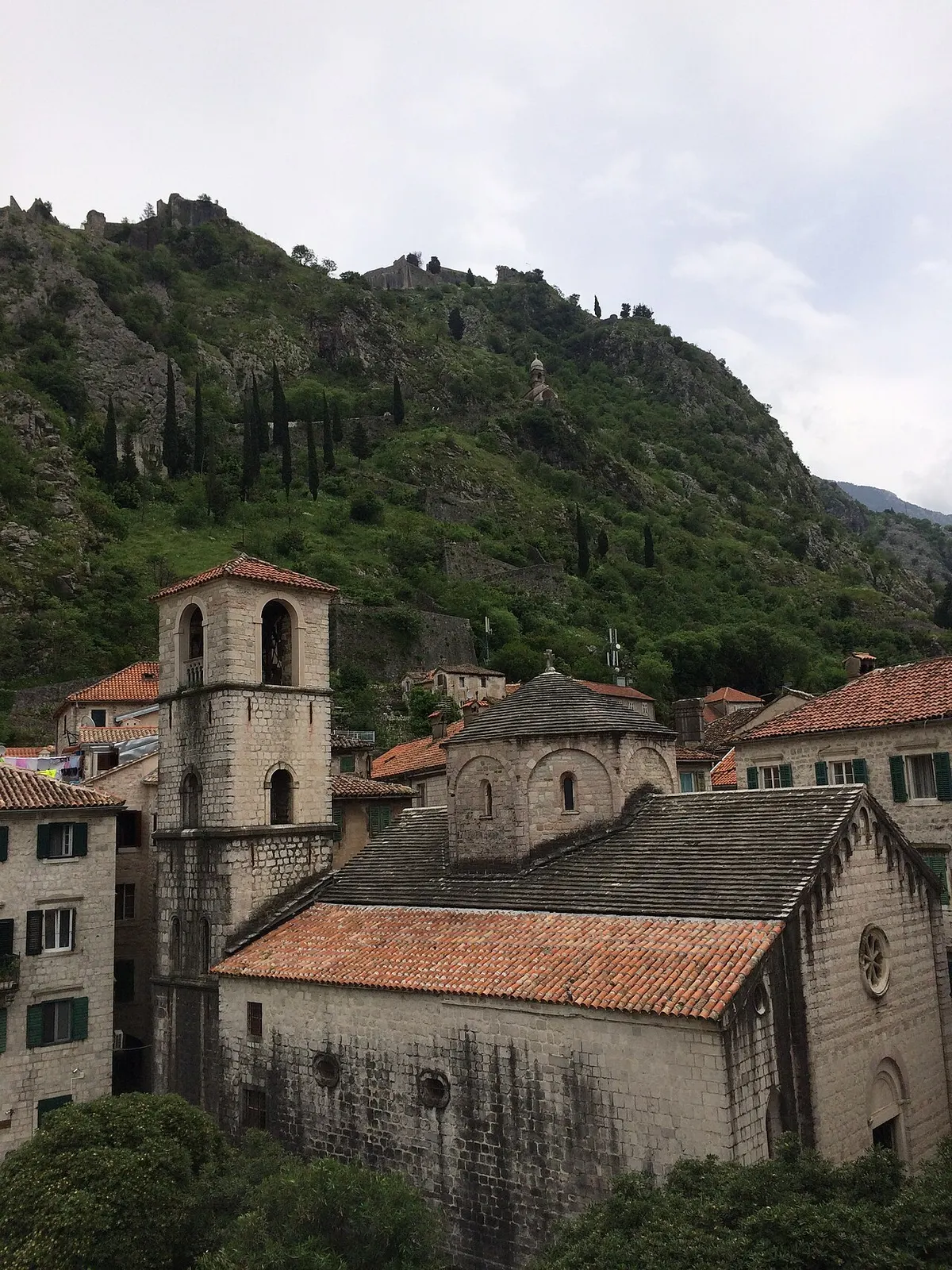
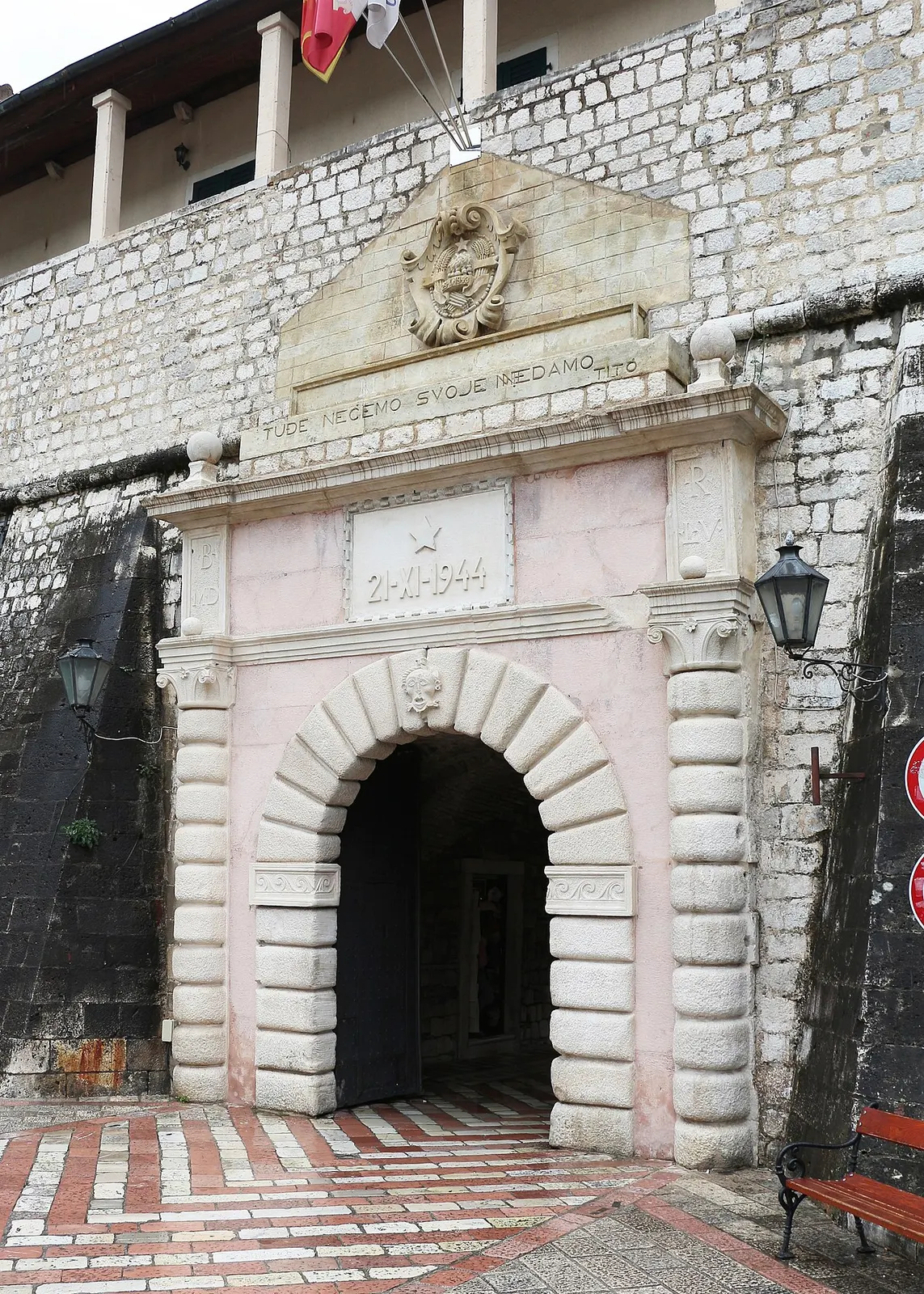
Enter through the main Sea Gate, the 16th-century arch that opens onto Arms Square (Trg od oružja) and the leaning Venetian clock tower, and let the lanes pull you in. The Old Town is small enough that you keep crossing your own path, and that is the point: get your bearings, then lose them again. Duck into open church doors, follow stone staircases into palazzo courtyards, and read the town the slow way before you start scheduling.
The squares are your map. From Arms Square the lanes thread to Flour Square (Trg od brašna), the cats' favourite St Luke's Square, and St Tryphon Square, dominated by the cathedral's twin towers. Give the first morning no fixed plan — the museums, the climb and the boat will still be there once you have felt the shape of the place.
Map pins
Map data © OpenStreetMap contributors · Tiles © OpenFreeMap
Climb the walls to St John Fortress
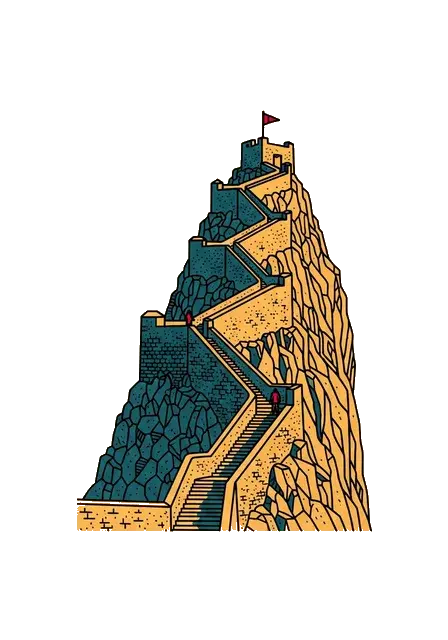
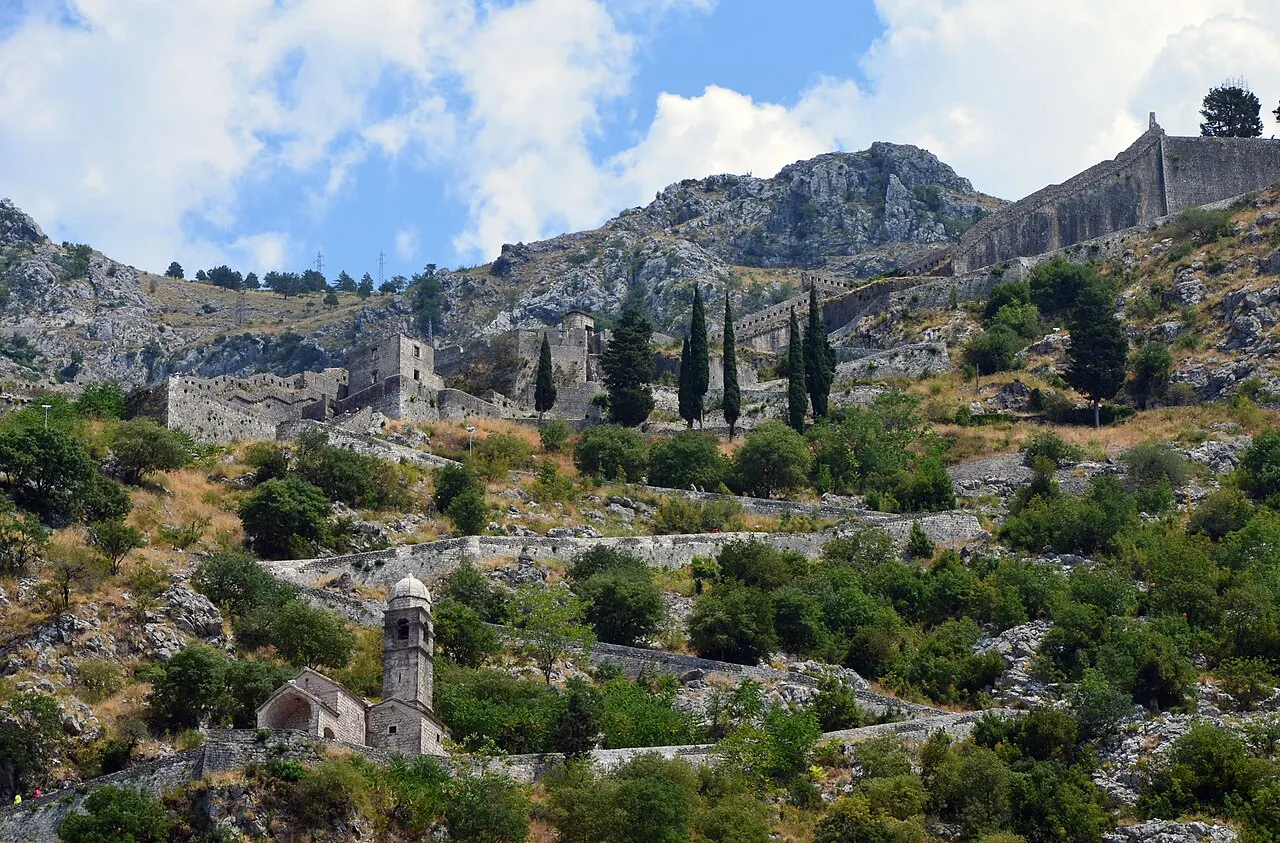
The wall-walk up to St John Fortress is Kotor's signature experience and the reason most visitors come. From a gate at the back of the Old Town the path rises in uneven stone steps, switching back across the cliff face above the rooftops, with the small Church of Our Lady of Remedy about halfway as a natural breather. The summit fortress sits at roughly 260 m, with the view everyone photographs.
It is steep rather than long, and timing is everything. In high summer the limestone bakes and there is little shade, so climb at first light or in the late afternoon, carry more water than you think you need, and wear shoes with grip. A seasonal entry ticket applies in summer — verify the current price and hours before you go. If the official route is closed or you want a gentler line, the old caravan trail known as the Ladder of Kotor reaches similar heights by switchback rather than stair.
- Best climbed at first light or late afternoon in high summer — avoid midday on the bare stone.
- The fortress sits about 260 m above the bay; allow roughly 90 minutes round trip at an easy pace.
- A seasonal ticket applies in summer; check the current price and hours before you climb.
Churches, museums and the cats
Inside the walls, the headline monument is St Tryphon Cathedral, a twin-towered Romanesque landmark first consecrated in the 12th century and rebuilt after earthquakes; its reliquary chapel and treasury repay the modest entry. Nearby, the tiny stone Church of St Luke and the Orthodox Church of St Nicholas tell the town's layered religious history in a few quiet minutes each.
For an indoor hour — useful in heat or rain — the Maritime Museum, set in a Baroque palace, traces the Boka's seafaring past through ship models, portraits, charts and weapons. And then there are the cats: Kotor's free-roaming felines are woven into the town's identity, with a small, cheerful Cats Museum near the centre and souvenir shops that lean hard into the theme.
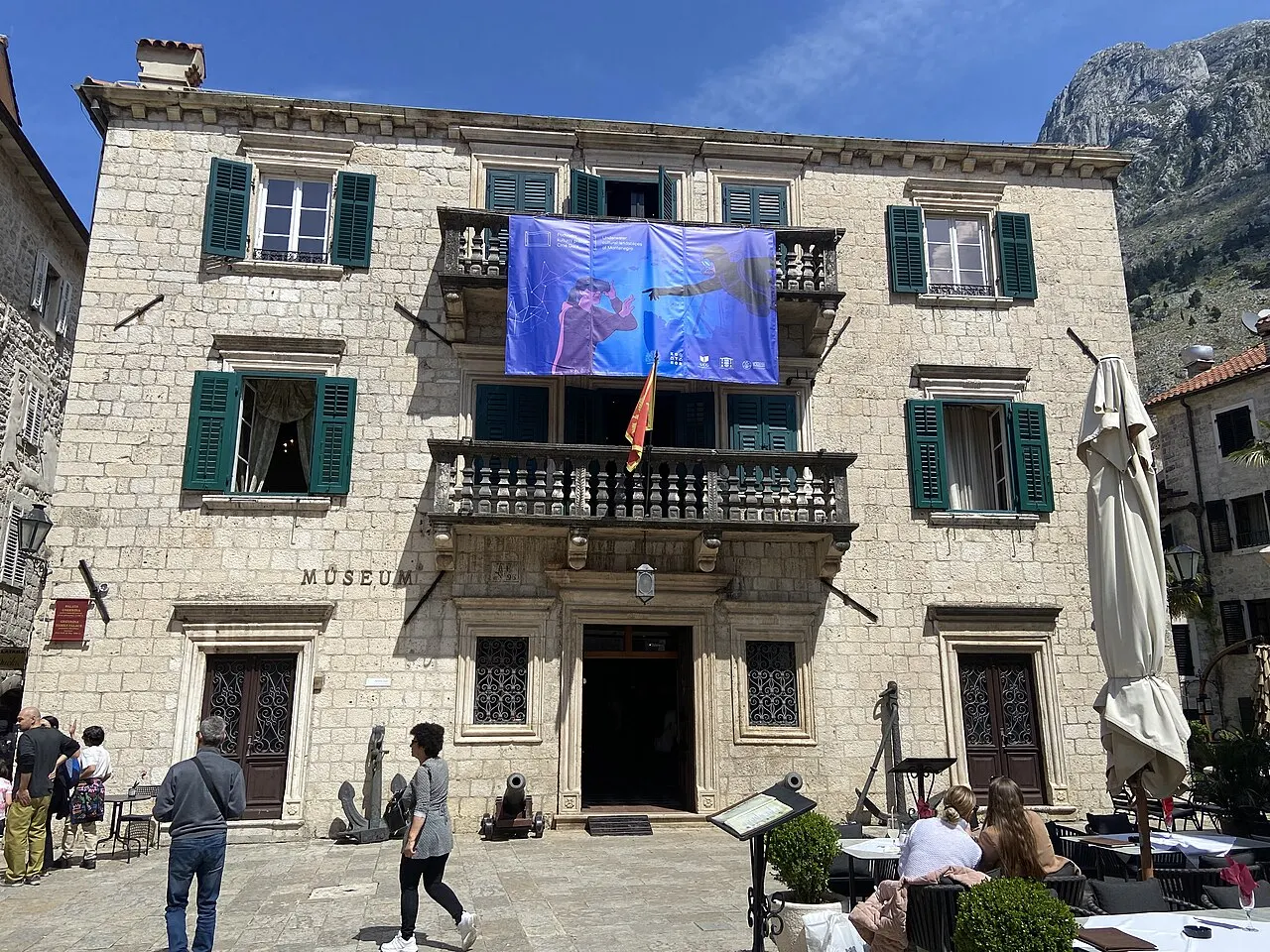
- St Tryphon Cathedral — the town's landmark church, treasury and square.
- St Luke and St Nicholas — two small, atmospheric churches a short walk apart.
- Maritime Museum and the Cats Museum — easy indoor stops for heat or rain.
Take to the bay
Kotor sits at the head of the Bay of Kotor, a flooded river canyon ringed by limestone. The bay rewards a slower loop than the town alone. A short ride or boat up past the Verige strait — the bay's narrowest pinch — reaches Perast, a baroque captains' town strung along the water, where small boats run out to Our Lady of the Rocks, the man-made island church built on a reef of sunken ships and votive stones.
Beyond that classic half-day, the water offers swimming from quiet coves below Prčanj, Stoliv and the Vrmac ridge, longer group tours toward the Blue Cave when the sea is calm, and sunset cruises for couples. Weather decides everything on the water, so confirm a boat is running before you plan a day around it.
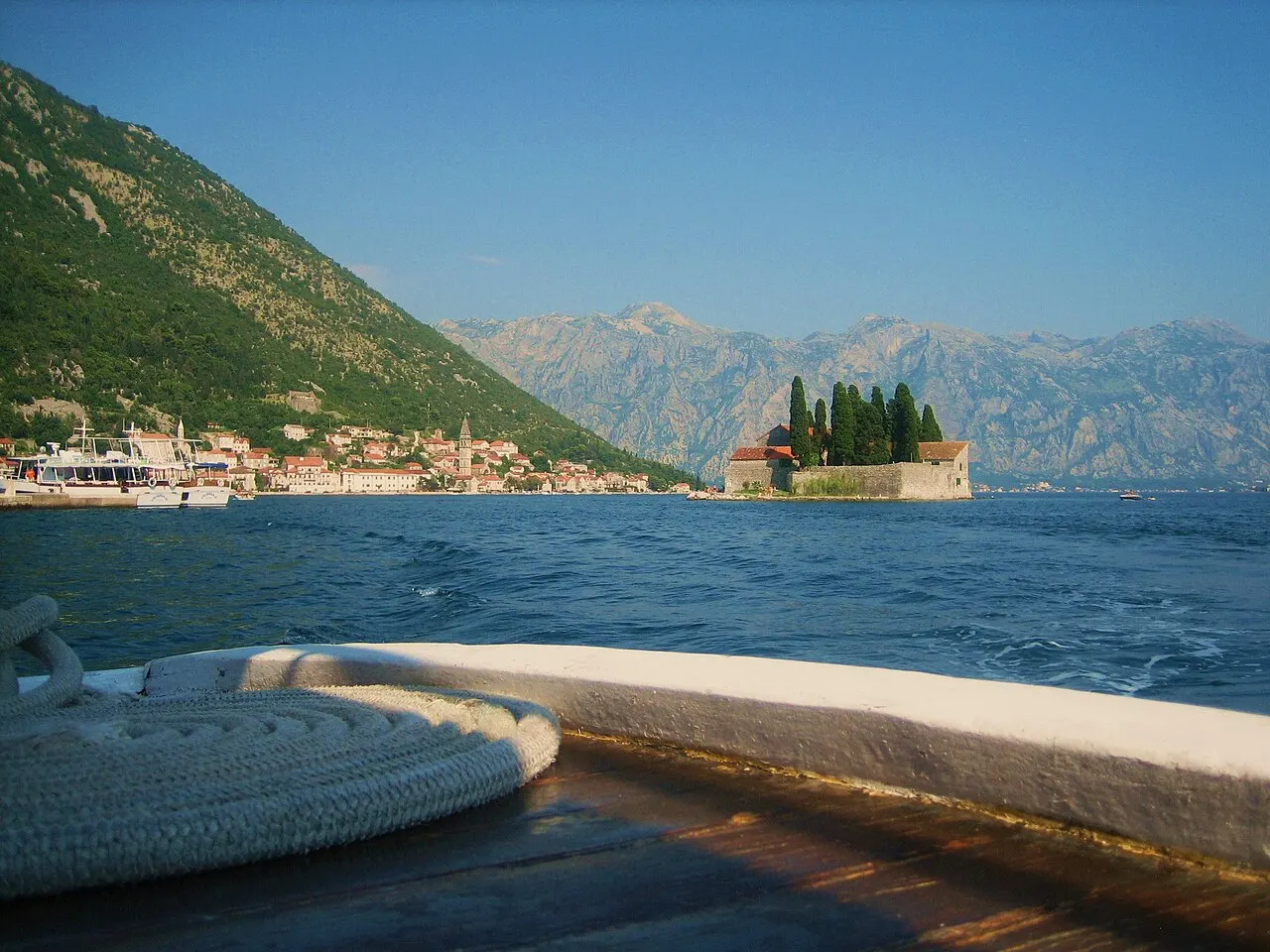

Climb for the view — or let the road and cable car do the work
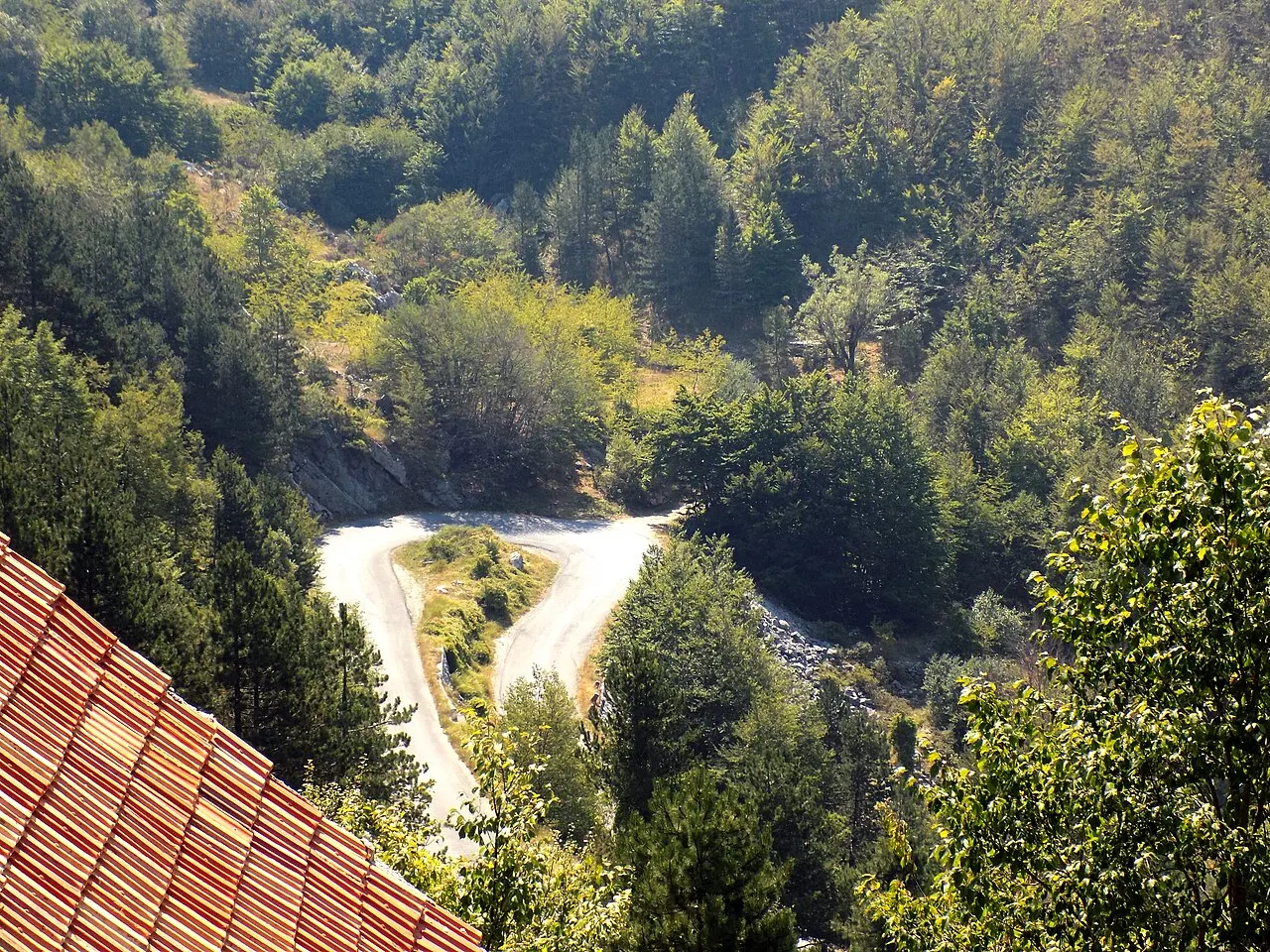
Kotor is a town built for looking down on, and the views come at every level of effort. The fortress is the obvious vantage, but the old switchback caravan trail known as the Ladder of Kotor (Kotorske skale) climbs higher still and joins the serpentine road toward Mount Lovćen, where a sequence of unmarked roadside pull-outs frame the most-photographed image of the whole bay — the Old Town as a terracotta wedge against blue water and grey mountain. You need a car, a taxi or a tour for those, but you do not need to climb a single step.
A cable car running up the Kotor side of the massif has reshaped how easily that high panorama is reached, opening up Lovćen and Cetinje as an add-on for visitors who would rather ride than hike. Across the bay, the wooded Vrmac ridge trades the fortress crowds for near-solitude and a different angle on the water. Pick your viewpoint by how much you actually want to climb in the heat; the reward — that same recurring composition of roofs, sea and stone — is remarkably consistent from a dozen different heights.
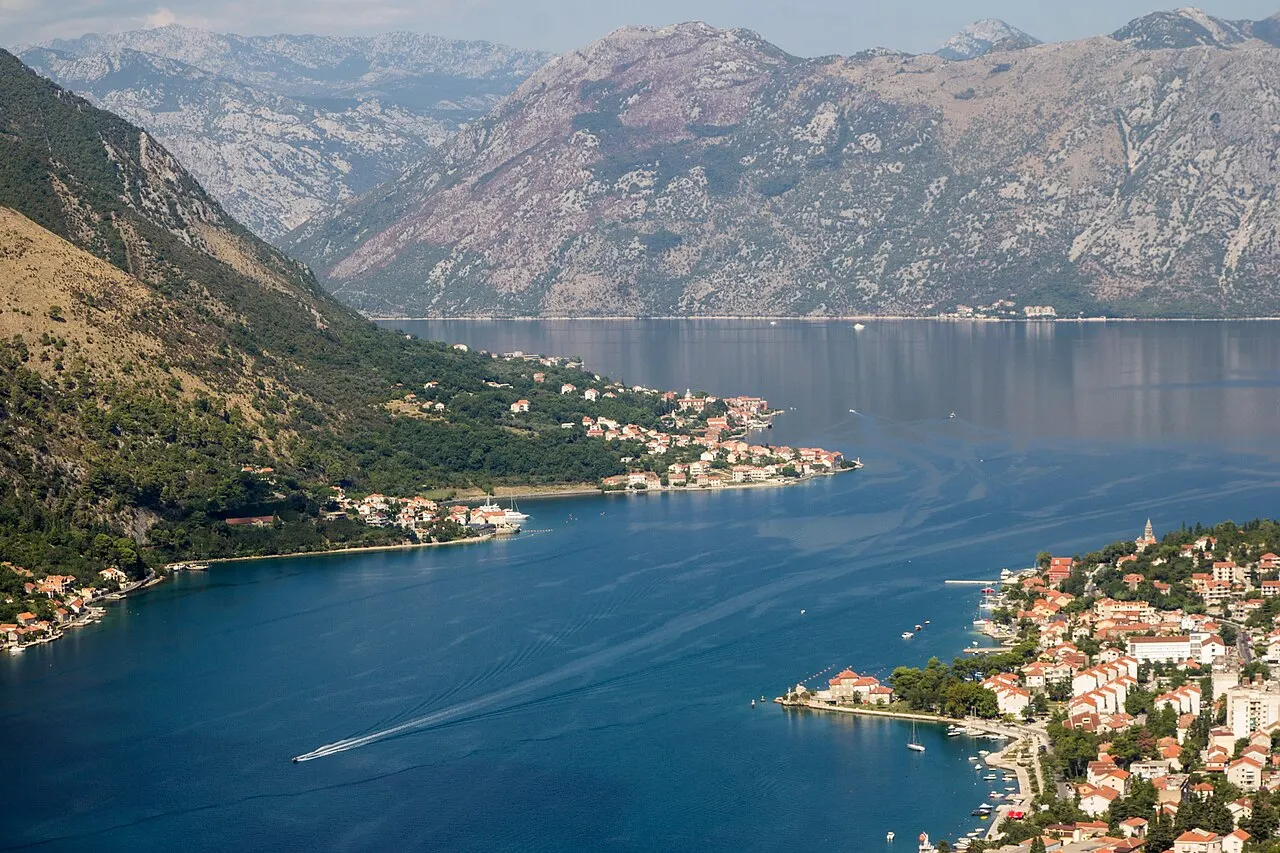
- Most effort, biggest payoff on foot: St John Fortress and the Ladder of Kotor switchbacks.
- Least effort: the Lovćen serpentine pull-outs and the cable car, both reached without stairs.
- Quietest: the Vrmac ridge across the bay, away from the cruise-day crowds.
Swim, slow down and eat by the water
Not everything worth doing in Kotor is a monument. The bay water stays swimmable from late spring well into autumn, and locals treat the waterfront as a long, narrow lido rather than a beach in the resort sense. The Dobrota promenade north of the walls strings together ladders, concrete platforms and small pebble coves; the villages of Muo, Prčanj and Stoliv across the water are quieter still; and the Aquarium Boka in Dobrota makes an easy family stop. For proper sand and a livelier scene you look outside the inner bay — toward Luštica's coves, Žanjice, or the beaches around Budva and Tivat.
Then there is the table, which for many visitors is the trip's real highlight. Order buzara — mussels or shrimp cooked in white wine, garlic and olive oil — fresh fish sold by the kilo, and the cured Njeguši prosciutto and cheese that come down from the mountain village above town, washed down with a glass of Montenegrin Vranac or a crisp local white. Eat a lane or two off the busiest squares for better value, or out along the Dobrota and Muo waterfronts for the sunset, and book ahead on summer and cruise nights when the best konobas fill quickly.
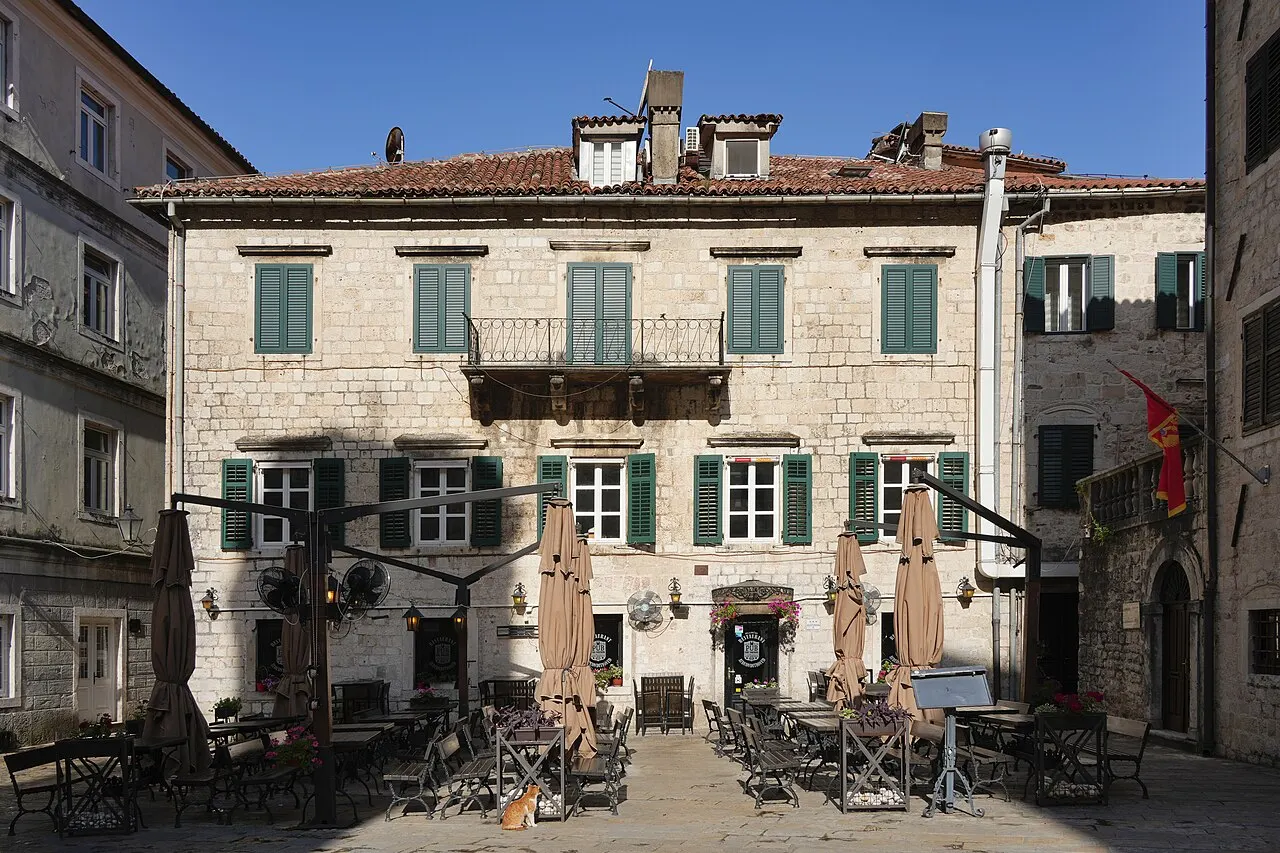
- Swim from the Dobrota promenade, the Muo and Prčanj waterfronts, or quieter Stoliv coves.
- For sand and a fuller beach scene, head out to Luštica, Žanjice, Budva or Tivat.
- On the table: buzara, fish by the kilo, Njeguši ham and cheese, and a glass of Vranac.


Use Kotor as a base for day trips
Kotor's position near the head of the bay makes it an unusually good base for half- and full-day trips, and many visitors spend at least one day beyond the walls. The closest and easiest is the bay loop itself — Perast, Risan's Roman mosaics, the Vrmac and Lovćen overlooks — but the reach is far wider. Inland, the old royal capital of Cetinje and the dramatic Njeguši serpentine road climb into the Lovćen massif; further out, Lake Skadar, the canyons of Durmitor and the Tara bridge make long but rewarding full days for drivers.
Along the coast, Budva's walled old town and beaches sit a short drive south, the photogenic islet-resort of Sveti Stefan just beyond, and Tivat's Porto Montenegro marina lies just across the bay. Dubrovnik is a popular full-day trip over the Croatian border, though the frontier queues can be long in peak season. How far you roam depends on whether you have a car: with one, most of Montenegro is reachable as a day trip; without one, you lean on organised tours, the regional buses and the occasional ferry shortcut across the Verige narrows.
- Closest and easiest: the bay loop — Perast, Risan, the Lovćen and Vrmac viewpoints.
- Coastal: Budva, Sveti Stefan and Tivat's Porto Montenegro, all a short drive away.
- Bigger days: Cetinje, Lake Skadar, Durmitor and the Tara bridge, or Dubrovnik over the border.


More
35
A Self-Guided Walk Through Kotor's Old Town
A self-guided walking route through Kotor's Old Town: the Sea Gate, Arms Square and the clock tower, St Tryphon Cathedral, St Luke's and St Nicholas, the maze of palaces and the wall-view corners — in the right order, at the right hour.
Read guide
A Traveler's History of Kotor
A traveler-friendly primer on Kotor's history before you walk the town: Illyrian and Roman roots, Byzantine and Serbian rule, four centuries under Venice, the bay's seafaring fortunes, earthquakes, the world wars and UNESCO protection.
Read guide
Aquarium Boka
Visit Aquarium Boka, Montenegro's public aquarium in Dobrota just north of Kotor's Old Town — what's inside, family timing, tickets, the species on show, and the flat bay-side walking route to reach it.
Read guide
Bay of Kotor Scenic Drives
The best drives around the Bay of Kotor: the shoreline loop through Perast and the captains' villages, the white-knuckle Kotor–Lovćen serpentine, the Kamenari–Lepetane ferry shortcut, plus photo stops, summer traffic and driving cautions for each.
Read guide
Beaches Near Kotor
Where to swim near Kotor: the honest truth about the inner-bay town beaches, the quieter bay swims at Dobrota, Prčanj, Stoliv and Muo, the clear-water Luštica coves like Žanjice, and the sandy options down the coast at Budva.
Read guideBest Museums in Kotor
How to choose Kotor's museums and small collections by interest, time and weather — the Maritime Museum, the cat museum, the cathedral treasury, the sacred-art collections, and the aquarium in Dobrota.
Read guide
Best Photo Spots in Kotor
Where and when to photograph Kotor and the bay — the fortress switchbacks, the lamplit Old Town lanes, the cats, the boats, the Perast islands, the rooftops and the golden-hour bay compositions.
Read guide
Best Things to Do in Kotor: A First-Trip Shortlist
A ranked, opinionated shortlist of the best things to do in Kotor — the Old Town, the climb to St John Fortress, Perast, a bay boat trip, the viewpoints, beaches and bay villages.
Read guideBest Tours in Kotor
Which Kotor tour to book and why: Old Town walking tours, the fortress climb guided or solo, bay boat trips to Perast and the Blue Cave, food and wine tours, Lovćen and Cetinje mountain day trips, cruise shore excursions, and private boats and yacht charters.
Read guideBest Viewpoints in Kotor
The best viewpoints over the Bay of Kotor, ranked by effort and payoff — St John Fortress, the halfway church, the Ladder of Kotor, the cable car, the Vrmac ridge, the serpentine roadside pullouts and the angle from the water.
Read guide
Cats of Kotor
Why cats are part of the Kotor experience — the maritime backstory, where to find them in the Old Town, how to photograph and feed them responsibly, and the small charities that care for the bay's free-roaming cats.
Read guide
Church of Our Lady of Remedy
A short guide to the Church of Our Lady of Remedy — the small white chapel roughly halfway up Kotor's city walls, the natural place to rest, the first great viewpoint, and a worthy shorter goal than the full fortress climb.
Read guideClock Tower & Arms Square, Kotor
The Clock Tower on Arms Square is the first thing you meet inside Kotor's Sea Gate — the Old Town's natural anchor for orientation, cafés, routes and meeting up. How to use it, what to see around it, and the leaning landmark's story.
Read guideDobrota Promenade
The waterfront walk north of Kotor: how to stroll, swim and café-hop along Dobrota's seaside promenade, past captains' palaces and bathing ladders, with the walled Old Town and the mountains across the bay the whole way.
Read guideFree Things to Do in Kotor
The best free and low-cost things to do in Kotor — wandering the walled Old Town, the bay promenades, the open churches, swimming off the rocks, free viewpoints and the cats, with a few clever ways to stretch a budget.
Read guide
Hidden Gems in Kotor
The quieter side of Kotor: the lesser-trodden squares and lanes inside the walls, small churches like St Luke and St Nicholas, the bay-shore corners of Dobrota and Prčanj, the Vrmac ridge views, and the low-crowd bay stops the day boats skip.
Read guide
Kotor at Night
Kotor after dark: the floodlit fortress and walls tracing the mountainside, the quiet lamplit Old Town once the ships sail, wine bars and konobas, blue-hour photography from the bay, live music in the squares, and where the nightlife gets loud.
Read guideKotor Cable Car
How to ride the Kotor–Lovćen cable car: what it is, the bay views, tickets and shuttle or parking, the season it runs, the alpine coaster at the top, onward access to Lovćen National Park, and whether it fits a cruise day.
Read guideKotor Cats Museum
A playful but practical guide to Kotor's small Cats Museum in the Old Town — what's inside, who it's for, what it costs, and how to fit it into a lighter, cat-themed loop of the walled town.
Read guideKotor Fortress Hike
A practical, step-by-step guide to climbing Kotor's city walls from the Old Town to St John Fortress — the route, the timing, how long it takes, what to bring, and how to fit the hike into a cruise day.
Read guideKotor Market: When to Go and What to Buy
A practical guide to Kotor's open-air market just outside the Old Town walls: when to go, what to buy, the food gifts worth carrying home — Njeguši prosciutto, cheese, honey, olive oil — and how to build a cheap, beautiful picnic.
Read guideKotor Old Town: A Guide to Stari Grad
How to explore Kotor's walled Old Town (Stari Grad): the gates, the squares you navigate by, St Tryphon Cathedral, the small churches, the cats, the museums and the quiet corners away from the crowds.
Read guideKotor Sea Gate
Start your Old Town visit at the Sea Gate — Kotor's main western gate of 1555, opening from the waterfront onto Arms Square and the leaning clock tower. Where to find it from the cruise port, what to look for, and how to plan a route through the squares.
Read guideKotor Walking Tours: How to Choose
How to choose a Kotor walking tour by history depth, cruise timing, group size and summer heat — from a free-tip Old Town stroll to private guides, fortress climbs and food-led walks.
Read guideKotor with Kids: Things to Do
Family-friendly Kotor — the car-free Old Town and its cats, an easy bay boat to Perast, swimming off the bay, the Dobrota aquarium, the cable car, and how to pace a day around the heat with younger children.
Read guideKotor with Teens
Active, photogenic Kotor for teenagers — the city-walls climb to St John Fortress, boat tours and the Blue Cave, kayaking and paddleboarding on the bay, the best viewpoints, and the after-dark town.
Read guideKotor's UNESCO Heritage, and How to Visit It Well
What UNESCO World Heritage status means in Kotor: why the Natural and Culturo-Historical Region of Kotor was listed in 1979, which areas it covers, why it was once endangered, and how visitors can tread lightly.
Read guideLadder of Kotor Hike
A hiker's guide to the Ladder of Kotor (Kotor Serpentine) — the old switchback caravan trail that climbs the mountainside above the bay: the effort, the viewpoints, timing, heat and safety, and how it compares to the city-wall stairs.
Read guideMaritime Museum of Montenegro, Kotor
Inside Kotor's Maritime Museum of Montenegro: the baroque Grgurina Palace, three floors of ships, captains' portraits, maps, weapons and Boka seafaring history — and why it is the Old Town's best rainy-day visit.
Read guideRainy Day Kotor Guide
What to do in Kotor when it rains: the maritime and cat museums, St Tryphon Cathedral and the Old Town churches, snug cafés and konobas, covered palazzo courtyards, hotel spas, and bay plans that still work in wet weather.
Read guideSt John Fortress Kotor
A visitor's guide to St John Fortress (San Giovanni) above Kotor — what waits at the summit, how long the climb takes, the route up the city walls, and when the bay views are at their best.
Read guideSt Luke's Church, Kotor
A guide to one of Kotor's most atmospheric small churches: St Luke's (Sveti Luka), built in 1195, famous for the rare period when it held both a Catholic and an Orthodox altar — and the quiet square it shares with St Nicholas's.
Read guide
St Nicholas's Church, Kotor
A respectful visitor guide to Kotor's main Serbian Orthodox church: St Nicholas's (Sveti Nikola), the twin-towered early-20th-century church on St Luke's Square, its glowing icons and silverwork, and how to visit.
Read guideSt Tryphon Cathedral, Kotor
How to visit Kotor's landmark Romanesque cathedral, consecrated in 1166: the twin bell towers, the treasury and the relics of St Tryphon, the art, the square, and the Old Town heritage that surrounds it.
Read guideVrmac Ridge
The long forested ridge between the Kotor and Tivat bays: its two-bay viewpoints, the marked hike along the crest, the Austro-Hungarian Fort Vrmac, easy cycling on the old tracks, and how it differs from the city-walls climb.
Read guide