
Best Photo Spots in Kotor
Where and when to photograph Kotor and the bay — the fortress switchbacks, the lamplit Old Town lanes, the cats, the boats, the Perast islands, the rooftops and the golden-hour bay compositions.

Photo: Faruk Kaymak / Unsplash
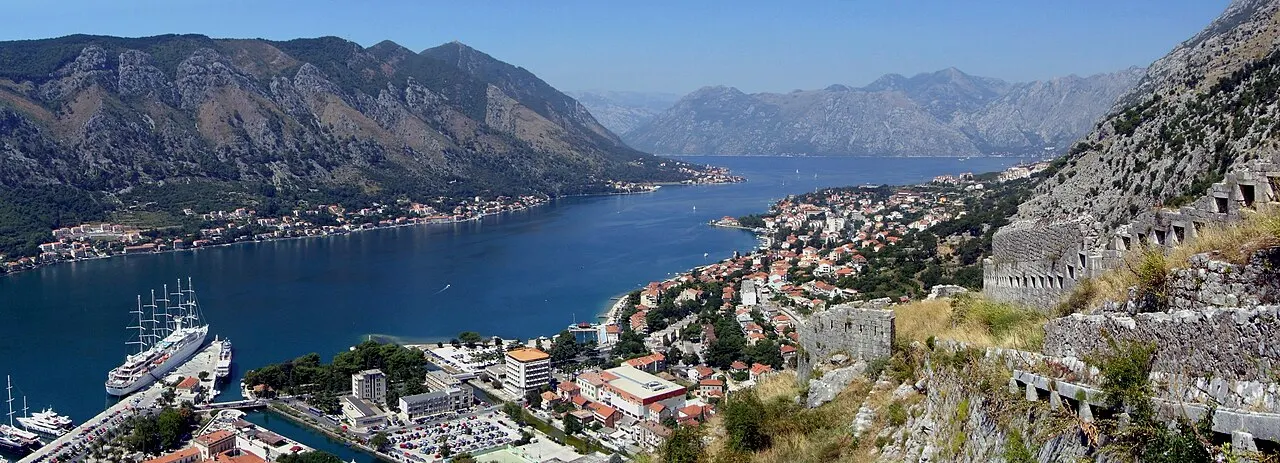
- ✓The signature shot — terracotta town, deep blue water, grey mountains — is taken from the city-walls switchbacks, not from the fortress itself.
- ✓Light matters more than location here: the bay faces in awkward directions, so plan each spot around sunrise, golden hour or blue hour rather than midday.
- ✓The Old Town lanes shoot best empty, in the cool hour after dawn before the first cruise ship lands.
- ✓Perast and Our Lady of the Rocks give you the classic island-church frame; the high serpentine road gives you the whole bay with no climbing.
- ✓Carry a wide lens for the lanes and a short telephoto to compress the rooftops and islands — and verify ticket hours and boat times before you build a shoot around them.
How to think about light in the bay
Kotor is one of the most photogenic places on the Adriatic, but it is not an easy place to photograph well, and the reason is the geography. The town sits at the dead end of a deep, steep-walled bay that folds back on itself, so the sun clears the eastern ridge late and drops behind the Vrmac and Lovćen massifs early. The usable golden light is short at both ends of the day, and midday throws the kind of hard, contrasty shade between the stone walls that flattens every frame.
Plan around that rather than against it. The best Kotor photography happens in three windows: the cool hour after sunrise, when the lanes are empty and the bay is glassy; the last hour before sunset, when the limestone of the walls and the rooftops turns gold; and blue hour, when the town lights come on and the lit ramparts trace the cliff above the roofs. Use the dead middle of the day for scouting, for interiors and for the covered market, not for the hero shots.

1. The city-walls switchbacks (the hero shot)
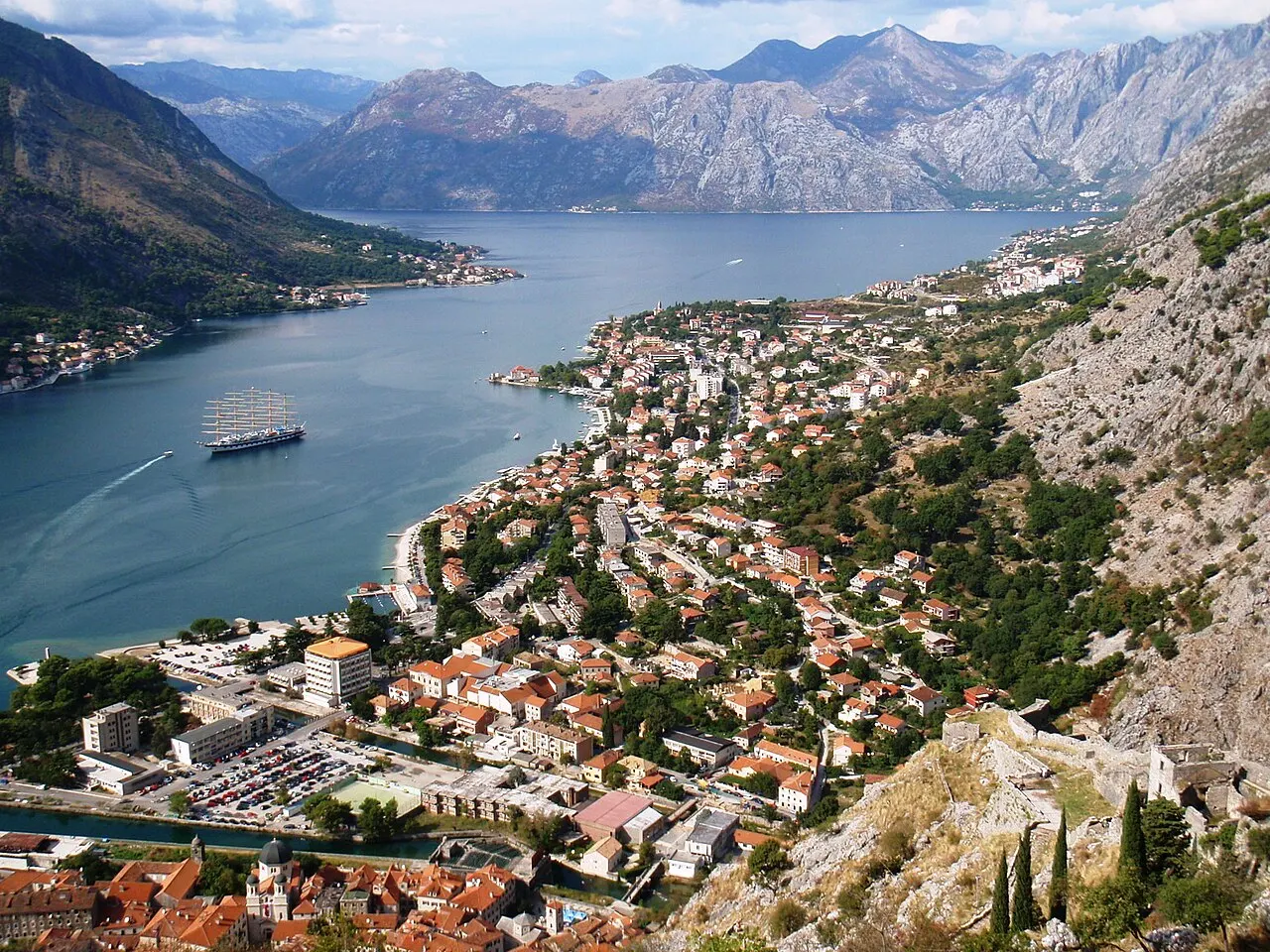
The image everyone comes home with — the whole terracotta town wrapped in its walls, the bay opening behind it toward the Verige strait, Lovćen looming grey above — is not taken from the summit of St John Fortress. It is taken from the switchbacks roughly a third to halfway up the wall climb, where you are high enough to see the full plan of the Old Town but still low enough that the roofs read as texture rather than a distant smudge. The small Church of Our Lady of Remedy, around the halfway mark, makes a natural foreground if you want a building in the frame.
Climb at first light for the cleanest version: cooler stone underfoot, soft directional light raking across the rooftops, and almost no one else on the stairs. Late afternoon works too and gives warmer colour, but the cruise crowds and the heat both build through the morning, so the sunrise climb is the photographer's choice. A seasonal entry ticket applies in summer — verify the current hours before you plan a dawn ascent, as the gate is not always staffed at first light.
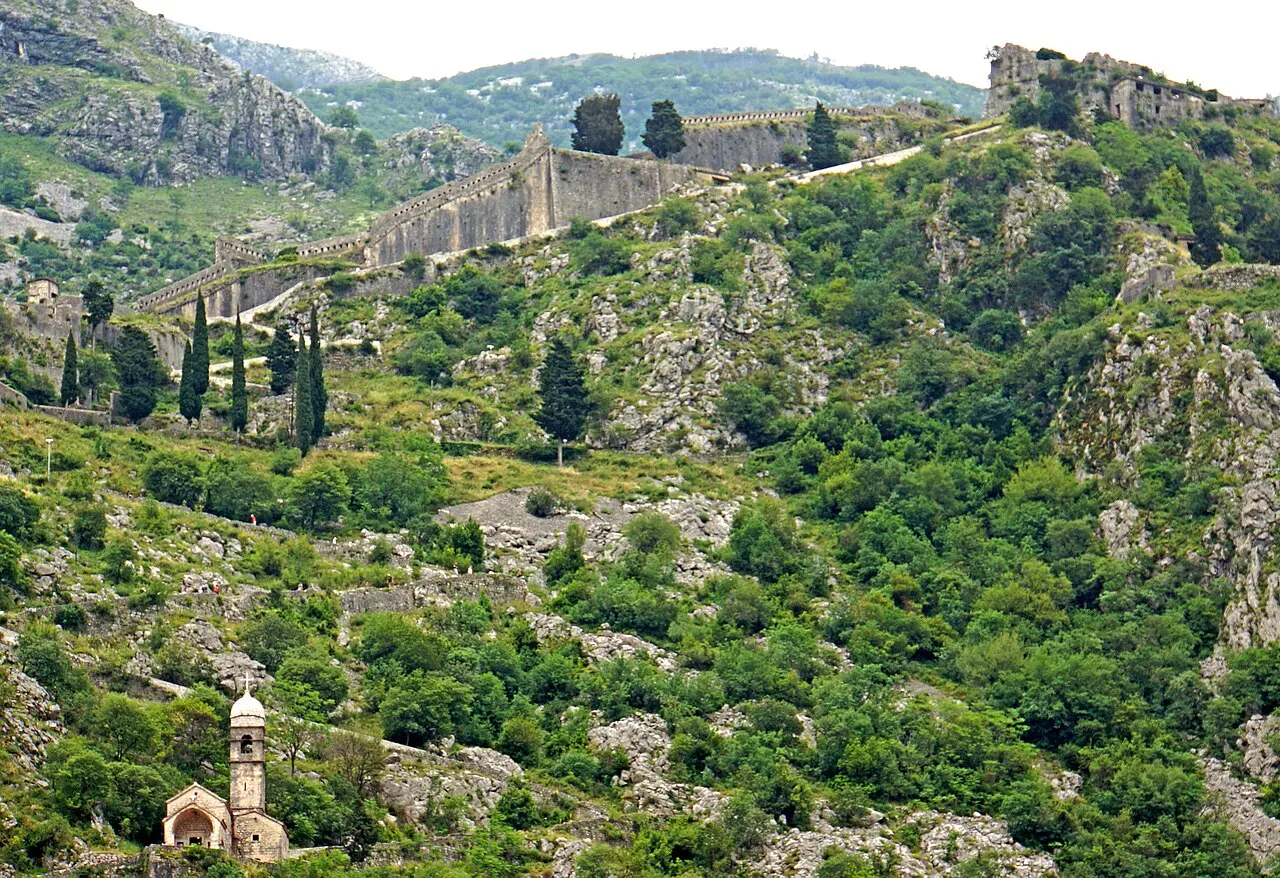
- Best light: the hour after sunrise; warm second choice in the last hour before sunset.
- Lens: a standard-to-short telephoto compresses the roofs and walls beautifully; a wide lens for the full bay.
- Effort: high — steep, exposed stone steps. Carry water and shoot on the way up while you are fresh.

Map pins
Map data © OpenStreetMap contributors · Tiles © OpenFreeMap
2. The Lovćen serpentine road (the bay from above)
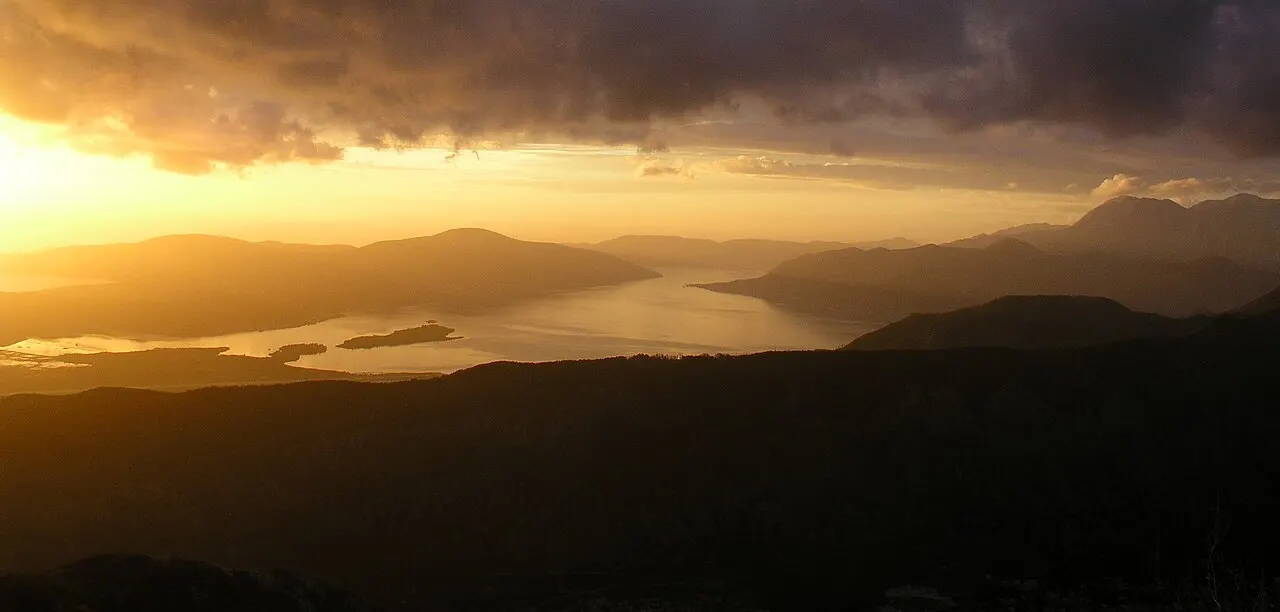
If you want the postcard of the entire bay — the town a small bright detail far below, the water curling between the mountains — without climbing a single step, drive up the old serpentine road toward Njeguši and Lovćen. The switchbacks have several roadside pullouts where the whole inner Boka opens beneath you; the higher you go, the more of the bay's folded shape you can fit in one frame. This is the angle that makes Kotor look like it sits inside a fjord.
Shoot it in the late afternoon, when the sun is behind you to the west and lights the town and the far shore. At sunrise you are shooting into the light, which can work for moody silhouettes but rarely for the clean postcard. The road is narrow and the bends are tight, so pull fully off the carriageway at a marked viewpoint rather than stopping on a blind corner — and verify whether the road is open in the shoulder season, as winter weather sometimes closes the high sections.

3. The Old Town lanes and squares
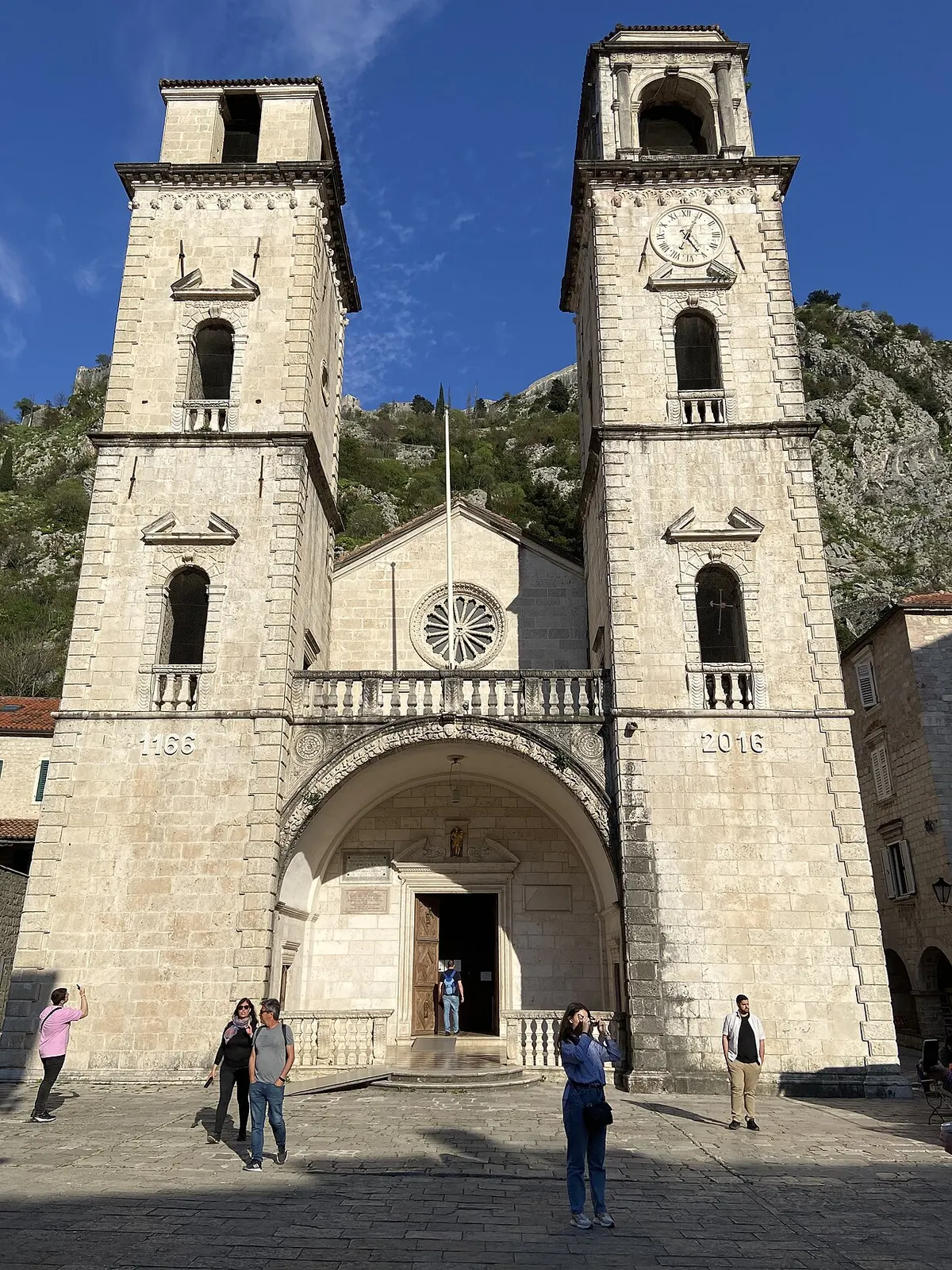
The interior of the walled town is a different kind of photograph: tight, textured, intimate. The stone lanes barely wide enough for two, the worn Venetian doorways, the leaning clock tower over Arms Square, the café chairs stacked outside a shuttered konoba at dawn — these are the frames that tell you what Kotor actually feels like to be inside. The squares navigate by name rather than street sign, and the play of light down the narrow gaps between buildings changes hour by hour.
Shoot the lanes empty, in the cool hour after sunrise before the day's first ship lands, when they belong to the cats and the delivery carts and the light slants in low. Come back at blue hour for the lamplit version, when the same lanes glow amber and the bells echo. A wide lens earns its place here; so does patience for the moment a cat crosses the light or a single figure turns the far corner.
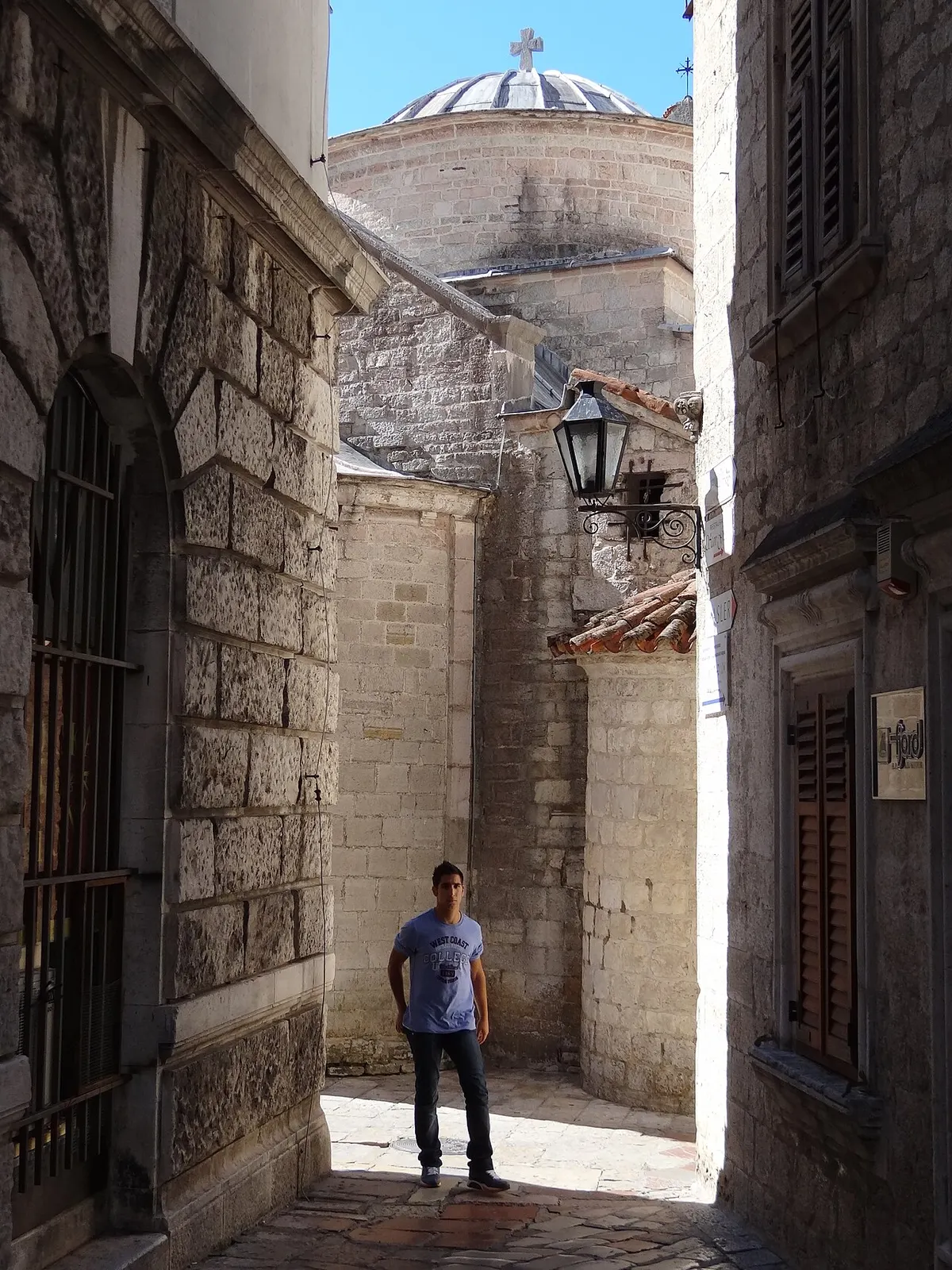
- Best light: just after sunrise for empty lanes; blue hour for the lamplit version.
- Lens: wide for the lanes and squares; a fast prime for the low-light interiors and blue hour.
- Patience beats position — wait for a cat, a cyclist or a single walker to give the frame scale.

4. The cats of Kotor
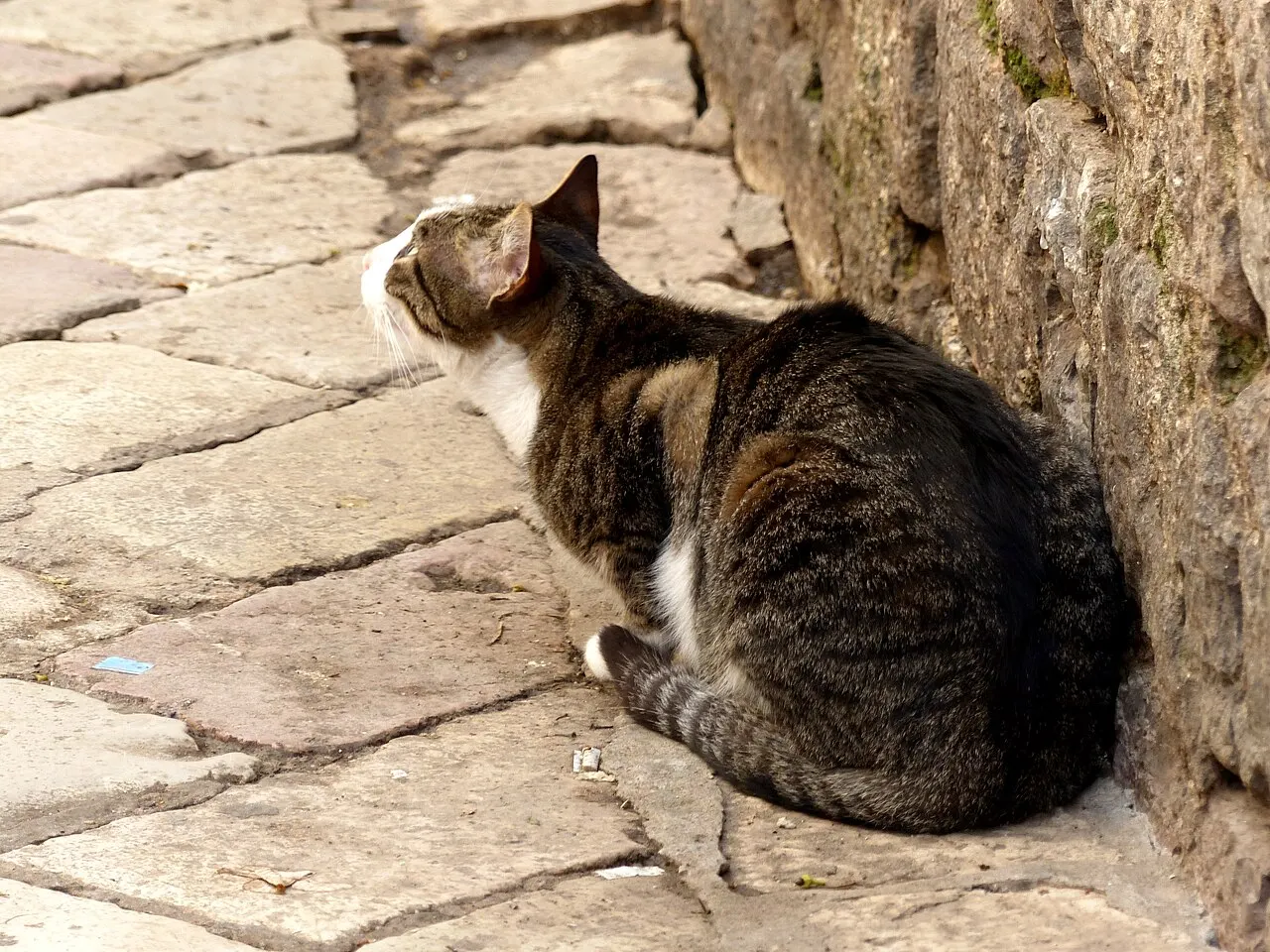
Kotor's free-roaming cats are its unofficial mascots, and they are one of the most reliably charming subjects in town. They drape themselves over warm doorsteps, peer out of shop windows, and pose — with the indifference only a cat can manage — against centuries-old stone. Around St Tryphon Square and the smaller lanes you will rarely walk far without finding one, and the early morning, when the town is quiet and the cats are out sunning, is the best time to photograph them at eye level.
Get low. A cat shot from standing height looks like a snapshot; the same cat from its own level, with the worn stone and a slice of lane behind it, looks like Kotor. There is a small cat museum near the centre if you want the theme indoors on a wet day, and the cats themselves are a gift to anyone travelling with children who need a subject of their own.

5. Perast and Our Lady of the Rocks
Up the bay, Perast hands you a completely different composition: a long baroque waterfront, the bell tower of St Nicholas rising above the captains' palaces, and — out on the water — the two small islands that make the Boka's most famous frame. Our Lady of the Rocks, the man-made island church built on a reef of sunken ships and votive stones, photographs best from a boat circling it, or from the Perast waterfront with St George's cypresses behind it.
Go early or late. Midday brings the bay's tour traffic and the harshest light; the soft early morning gives you the waterfront almost to yourself, and the late afternoon lights the palaces from the west. If you can be on the water at golden hour — a private boat or a small sunset cruise — the islands against the gold-and-blue bay are the single most cinematic shot in the region. Verify the island-boat timing before you commit a sunrise or sunset to it.
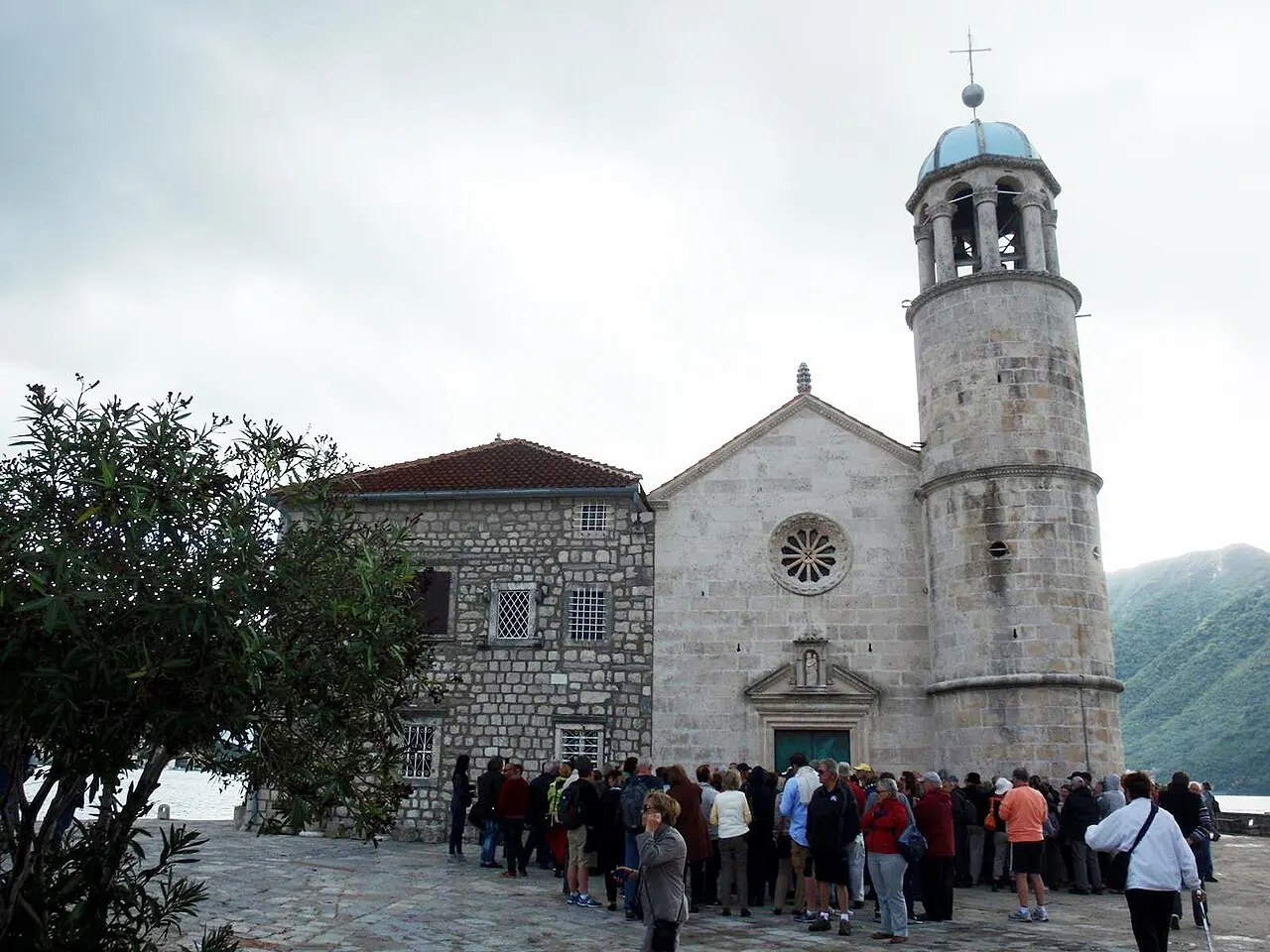
- Best light: early morning for the empty waterfront; golden hour from a boat for the islands.
- From shore: shoot the islands from the Perast quay with the bell tower or cypresses framing them.
- From the water: a circling boat gives you the island church from every angle — verify boat times.
6. From the water: the town and the boats
Some of Kotor's best photographs can only be taken from the bay looking back. From a boat a few hundred metres offshore, the whole town reads as a tidy model pressed against the base of the cliff, the walls tracing a thin grey line all the way up to the fortress. The fishing and tour boats moored along the Old Town waterfront make a ready foreground, and a sunset cruise puts you in exactly the right place as the light goes gold and the ramparts begin to glow.
This is also the angle that solves Kotor's light problem on a clear evening: out on the water you are no longer boxed in by the lanes, so you get the full sky, the reflection of the lit town, and the silhouette of the mountains behind. Keep the horizon level, brace against the boat's motion or bump up your shutter speed, and shoot wide for the whole town or long to isolate the fortress on its crag.
7. Blue hour and the lit walls
Stay out after sunset. Blue hour — the twenty minutes or so when the sky deepens to cobalt but is not yet black — is when Kotor turns into its most magical self. The town lights warm the lanes from within, the ramparts are floodlit so the walls trace a glowing zigzag up the dark cliff, and the bay reflects all of it. The classic blue-hour frame is taken from a little distance — the waterfront, the marina, or a low spot on the wall path — so you can fit the lit walls climbing to the fortress against the last colour in the sky.
This is a tripod shot. The light is beautiful but low, and a long exposure smooths the water and keeps the lit stone clean. If you are travelling light, brace the camera on a wall or a railing and use the self-timer. The window is short and it closes fast once full dark arrives, so scout your composition in the last of the daylight and be set up before the lights take over.
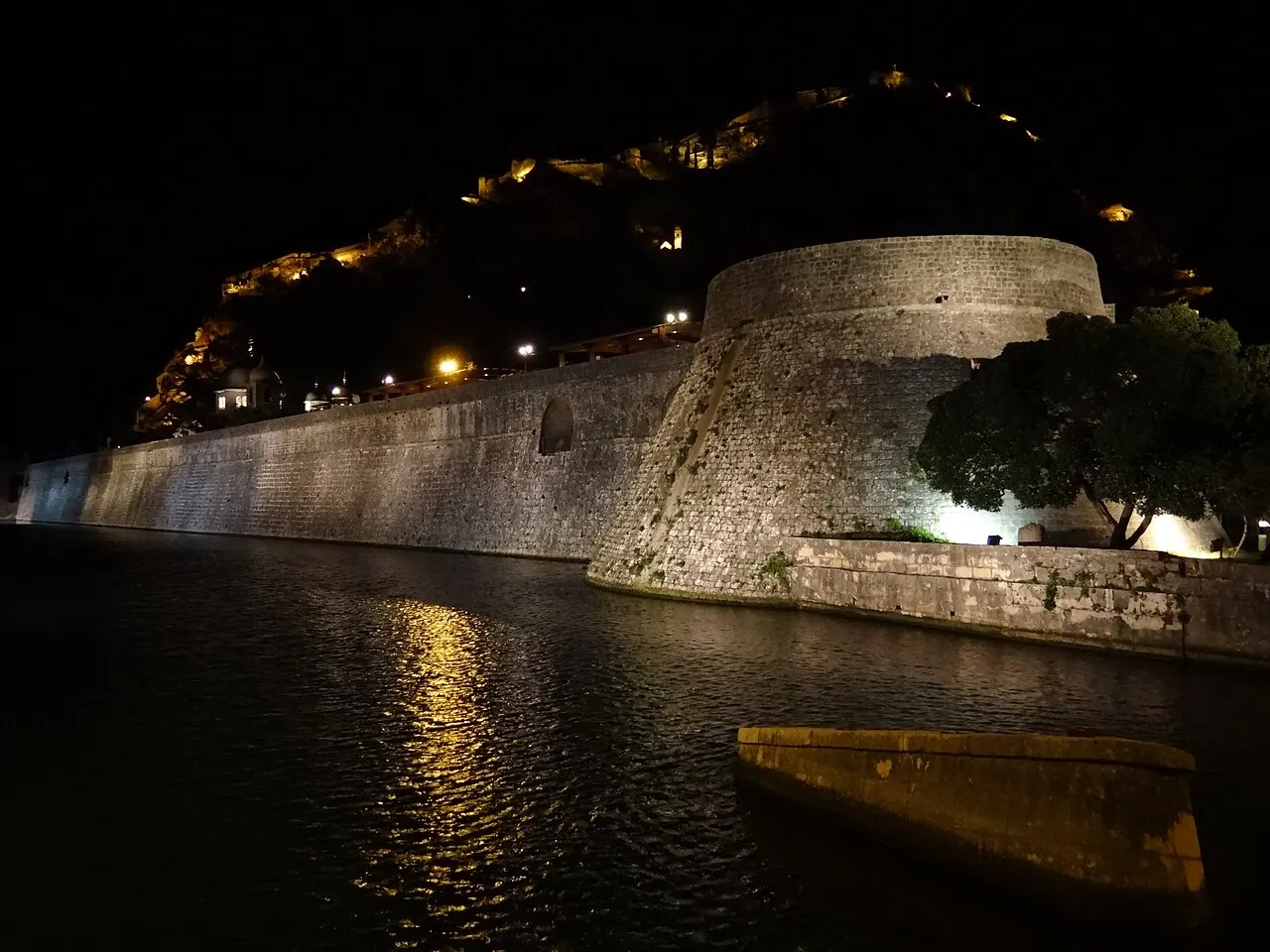
- Bring a tripod or brace on a wall — blue hour needs long exposures.
- Scout and frame in the last daylight; the best colour lasts only minutes after sunset.
- Best vantage: the waterfront or a low wall-path spot, looking back at the lit ramparts.

A photographer's day, and the etiquette
Strung together, the spots make an easy plan. Climb the walls for sunrise and the hero shot, drop back into the empty lanes for the cats and the doorways while the light is still soft, use the hot middle of the day for the market, the museums and a long lunch, drive the serpentine for the bay-from-above in the late afternoon, and end on the water or at a blue-hour vantage as the walls light up. Two of those done well beat all six done in a rush.
A word on courtesy, because Kotor is a living town and a UNESCO-listed one. Ask before you photograph people closely, especially the older residents and the market sellers; keep tripods out of the busy lane choke-points; and step inside churches quietly, observing any signs about photography and flash. The cats will tolerate almost anything, but the people who live among the lanes deserve the same care you would want at home.


Best Viewpoints in Kotor
The best viewpoints over the Bay of Kotor, ranked by effort and payoff — St John Fortress, the halfway church, the Ladder of Kotor, the cable car, the Vrmac ridge, the serpentine roadside pullouts and the angle from the water.
Read guide
Perast & Our Lady of the Rocks
How to visit Perast and Our Lady of the Rocks from Kotor: the baroque captains' town, the man-made island church, and the short bay trip that is the Boka's signature half-day.
Read guide
Bay of Kotor
How to explore the Bay of Kotor: the shape of the Boka's four linked basins, and the five ways to experience it — by boat, by bus, by car, on the waterfront on foot, and from a viewpoint above.
Read guide