
Kotor Practical Travel Tips
The logistics that smooth a Bay of Kotor trip: airports and getting there, buses, boats and the bay-mouth ferry, the cable car, parking, money, safety, accessibility, cruise crowds and the best time to visit — with links to the deeper practical guides.

Photo: olga brajnovic / Unsplash
- ✓Tivat airport is closest to Kotor; Podgorica and Dubrovnik (across the Croatian border) are the wider options.
- ✓Kotor's bus station sits just outside the Old Town and connects the bay villages, the coast and beyond; boats handle the bay's best trips.
- ✓The Kamenari–Lepetane ferry cuts across the bay mouth and saves a long drive around when heading north or west.
- ✓Parking is tight near the car-free Old Town; most bay bases offer easier parking than the walls themselves.
- ✓Montenegro uses the euro; cards are widely accepted, but keep some cash for small konobas, boatmen and parking machines.
Getting to the bay: airports and transfers
Most visitors fly into Tivat, a short drive around the bay from Kotor and the handiest airport for the Boka. Podgorica, the capital's airport, is further inland but better connected on some routes, and Dubrovnik across the Croatian border is a common entry point too — factor in the border crossing, and possible summer queues, if you arrive that way. From any of them, a pre-booked private transfer or a taxi is the simplest door-to-door option; buses serve the coast if you are travelling light and watching the budget.
However you arrive, remember the last stretch into the Old Town is on foot — it is car-free, so a driver can only get you to the nearest gate. Agree taxi fares or book a transfer in advance rather than negotiating on the spot, and pack so you can wheel or carry a bag over cobbles. We keep specific transfer prices and bus times out of the prose and flag them to verify, as both move with the season.
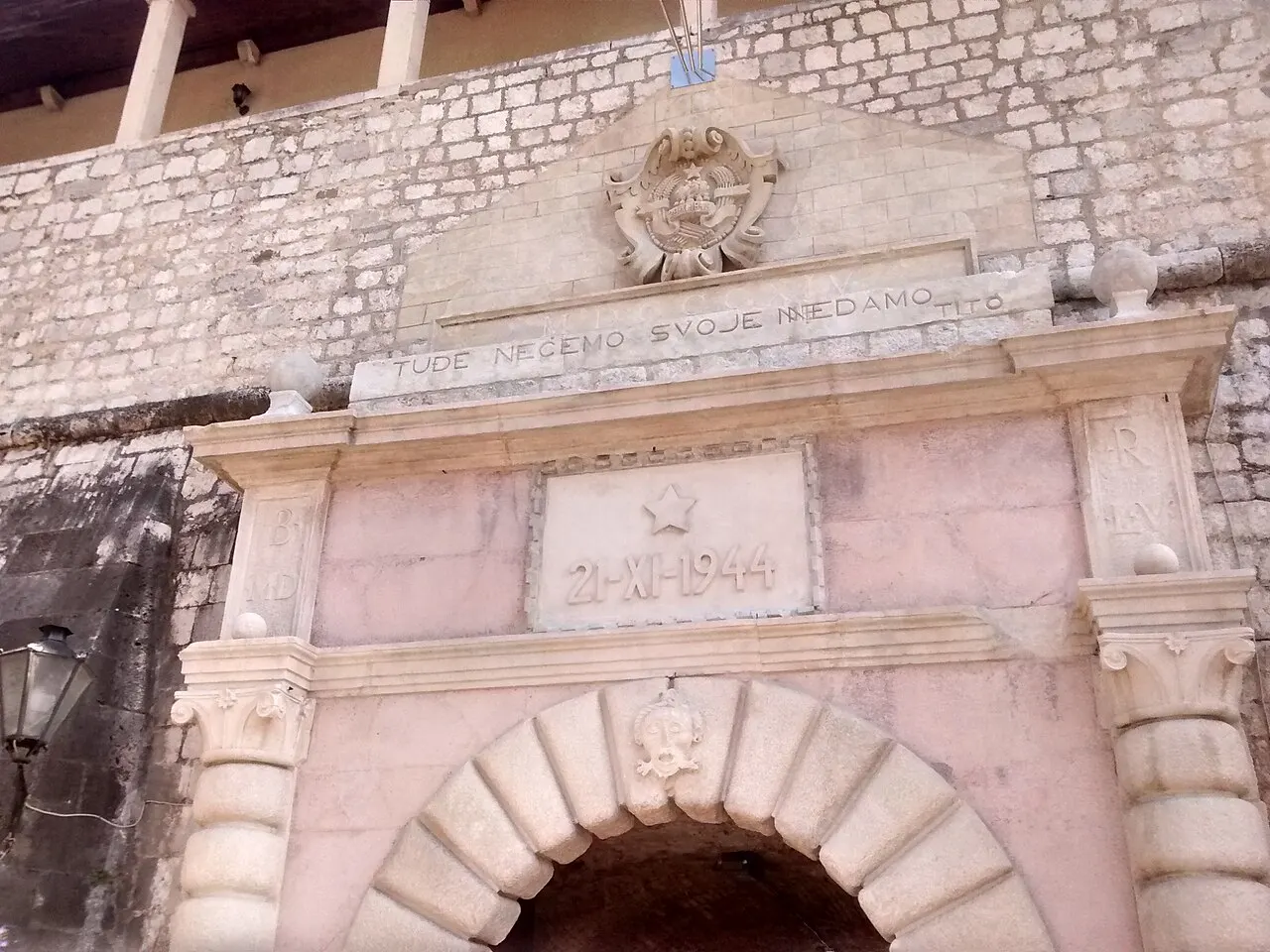
- Tivat airport is closest; Podgorica and Dubrovnik (across the border) are the wider options — mind the crossing from Croatia.
- Easiest: a pre-booked transfer or taxi, door-to-door. Cheapest: buses from the airports and coastal towns.
- The last stretch into the car-free Old Town is on foot — verify transfer and bus prices before you commit.


Getting around: buses, boats, the ferry and the cable car
Within the region, Kotor's bus station — just outside the Old Town walls — is the hub: intercity coaches reach the wider country, and frequent local buses thread the bay villages, Tivat, Budva and Herceg Novi. Boats handle the bay's signature trips, leaving from the waterfront for Perast and Our Lady of the Rocks. Taxis and pre-booked transfers fill the gaps, so a car-free trip is entirely realistic — and often the smarter choice, given the car-free Old Town.
Two pieces of bay transport are worth knowing. The Kamenari–Lepetane ferry cuts across the mouth of the bay in minutes and saves a long drive around when you are heading toward Herceg Novi, the Luštica peninsula or Croatia. And the cable car lifts you out of the bay toward the Lovćen plateau for a vast view without the stairs of the walls climb. Both are exactly the kind of service whose times and fares change, so verify the current schedule and price before relying on either.
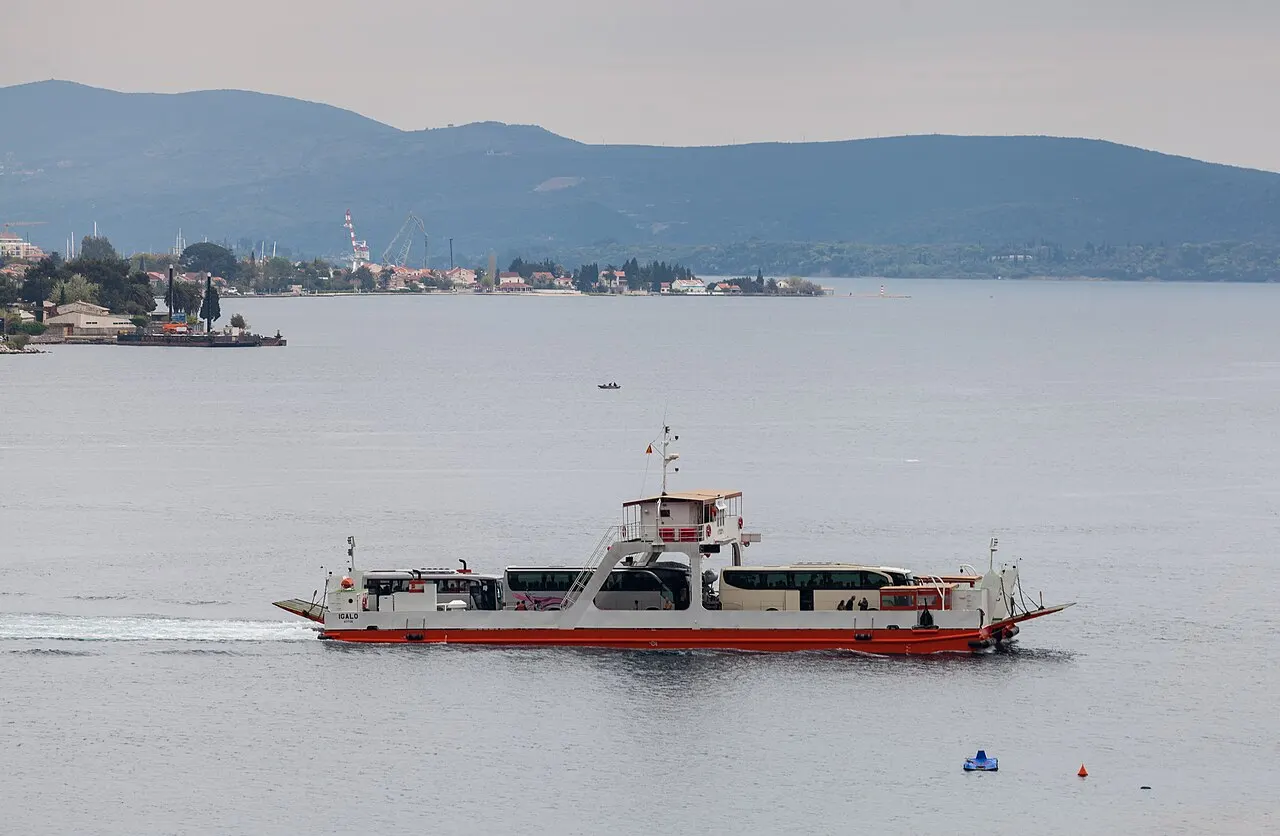
- The bus station outside the walls links the bay villages, the coast and beyond; boats run the bay from the waterfront.
- The Kamenari–Lepetane ferry shortcuts the long drive around when heading north or west — verify times and fare.
- The cable car gives a Lovćen-grade view without the stairs — verify the current schedule, fare and that it's running.
 Getting Around Kotor
Buses, boats, taxis and walking — the full picture of moving around the bay.
 Kotor Cable Car
How the cable car works, where it goes, and the view from the top.
Map pins
Map data © OpenStreetMap contributors · Tiles © OpenFreeMap
Driving, parking and money
A car is handy for exploring the bay and the mountains but a liability in the Old Town, which is car-free; aim for a base with parking outside the walls, where spaces near the gates are tight and charged in season. The bay road is narrow, winding and slow, so allow more time than the map suggests and drive defensively. Fuel up before long loops, as stations are not on every corner around the shore. Montenegro drives on the right.
On money: Montenegro uses the euro, and cards are widely taken, though smaller konobas, boatmen and parking machines still appreciate cash, so carry some. ATMs are easy to find in town. Keep a little cash aside for the ferry and for tips. We keep specific prices, fares and parking charges out of the prose and cite official sources rather than quote figures that change with the season.
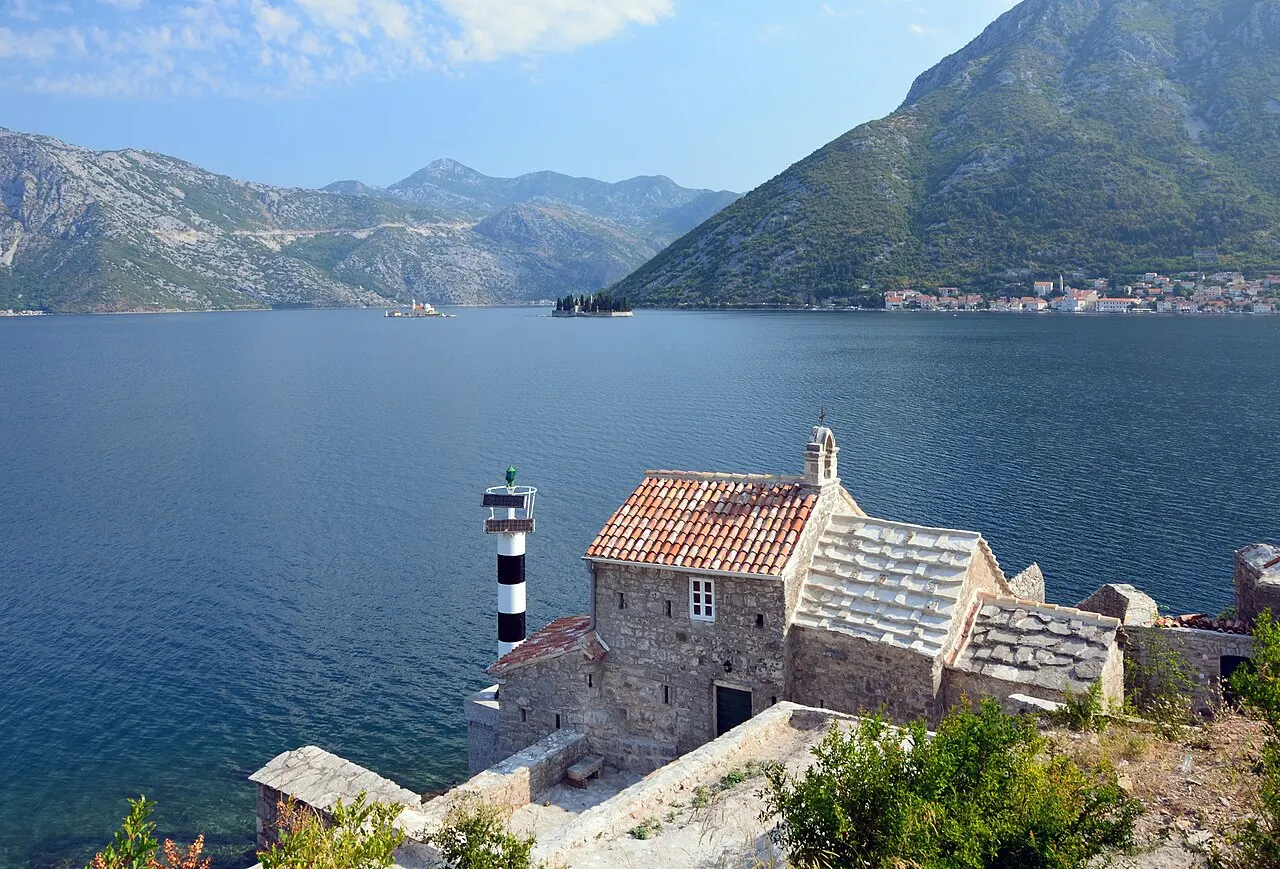
- Park outside the car-free Old Town; spaces near the walls are tight and charged in season.
- The bay road is narrow and slow — drive defensively and allow more time than the map suggests.
- Euro currency; cards widely accepted, but carry cash for konobas, boatmen, parking and the ferry.

Safety, accessibility and cruise crowds
Kotor is a safe, easygoing place to travel, with the usual small-town caution around busy tourist crowds and your belongings. The biggest practical hazard is underfoot: the Old Town's polished stone and the walls climb are slick when wet, so wear shoes with grip, especially in the rain. On accessibility, the medieval Old Town is challenging — uneven cobbles, steps, no vehicle access — and the walls climb is steep and unrailed in places; the cable car offers a far gentler way to a big view, and the flat Dobrota promenade is the easiest waterfront walk. Verify specific step-free routes and accessible facilities in advance, as they are limited.
The one crowd to plan around is the cruise calls. Kotor's ships dock or tender right beside the walls, so on a busy cruise morning the lanes, the cathedral and especially the walls climb fill up and heat up fast. Climb early, explore the lanes after the ships sail, and you sidestep the worst of it. Check which ships are in if you want to time your day around the quiet hours.
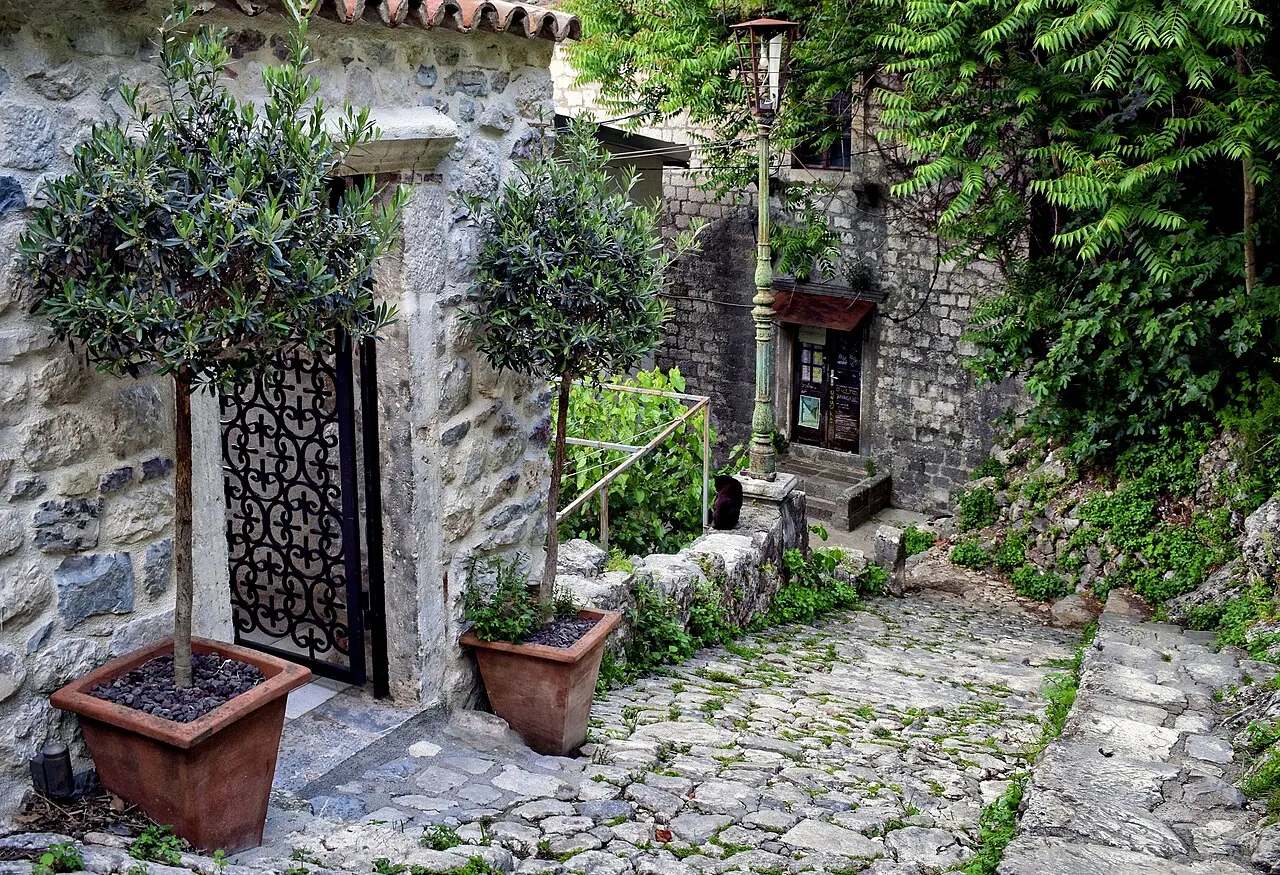
- Kotor is safe and easygoing; the main hazard is slick stone underfoot — wear shoes with grip, especially when wet.
- Accessibility is limited in the cobbled, stepped Old Town; the cable car and the flat Dobrota promenade are the gentlest options — verify step-free routes.
- Plan around cruise calls: climb early and wander the lanes after the ships sail to dodge the crowds.


When to visit, and what to pack
The bay is at its loveliest in the shoulder seasons — late spring and early autumn — when the weather is warm, the water still swimmable, and the cruise and tour crowds thinner than at the July–August peak. Midsummer is hot, busy and the height of the cruise season; winter is quiet, atmospheric and often very wet, since the inner bay is among the wettest corners of Europe. Pack for rain if you visit off-season, and for heat and sun if you come in summer. Whatever the month, the climb and the boats reward an early start over a midday one.
For the deeper detail on each month and the trade-offs of timing a trip, the best-time guide breaks down the seasons in full. As a hub, this page points the way; the spokes below carry the specifics. As ever, verify volatile details — fares, timetables, prices and opening hours — from official or on-the-ground sources, because they all change.
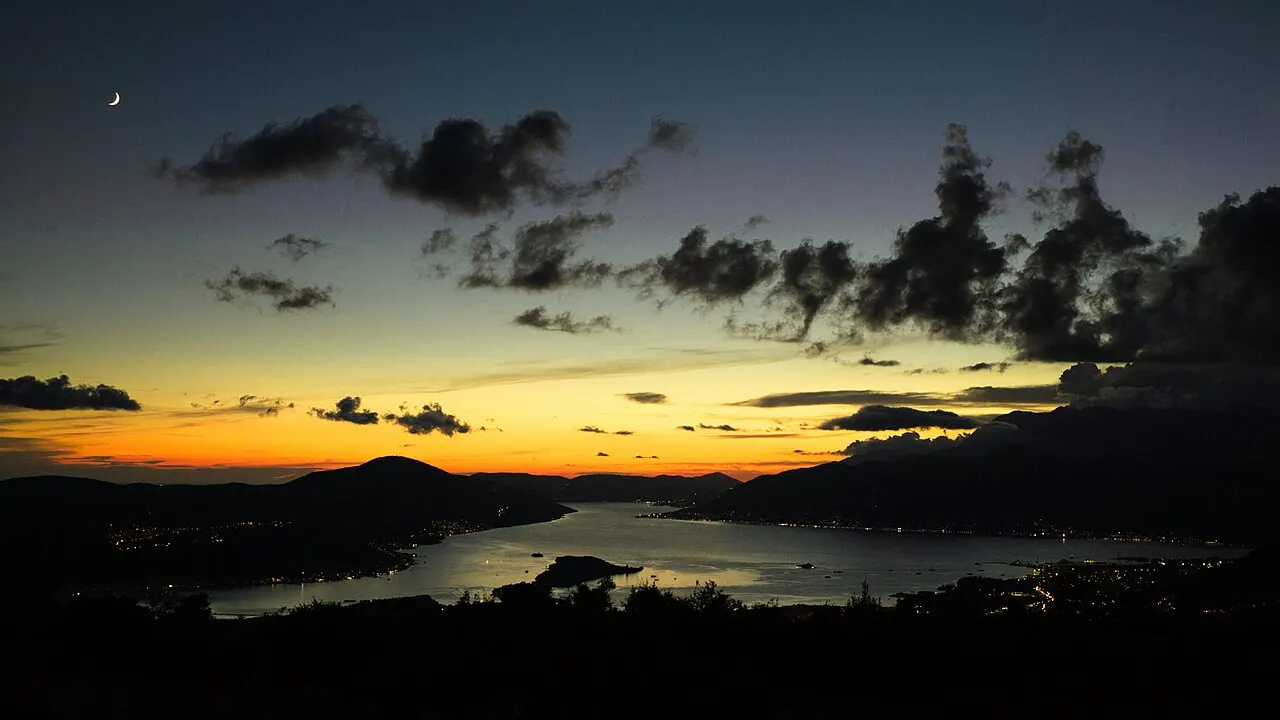
- Best overall: the shoulder seasons — late spring and early autumn — for warm weather and thinner crowds.
- Midsummer is hot and busy; winter is quiet, atmospheric and very wet — pack for rain off-season.
- Climb and boat early in the day rather than at midday, whatever the month.

Kotor practicalities at a glance
Use this card as a quick reference, then confirm the moving parts. Verify the volatile details — airport transfer and bus fares, the Kamenari–Lepetane ferry and cable-car schedules and prices, parking charges, and attraction hours — on the day or from official sources, as they all change.
- Airports: Tivat (closest), Podgorica, Dubrovnik (across the border). Easiest arrival: a pre-booked transfer.
- Getting around: bus station outside the walls, boats from the waterfront, taxis for the gaps; a car-free trip is realistic.
- Shortcuts: the Kamenari–Lepetane ferry across the bay mouth; the cable car for a view without the stairs.
- Driving: the Old Town is car-free; park outside the walls; the bay road is narrow and slow. Drive on the right.
- Money: euro; cards widely accepted, but carry cash for konobas, boatmen, parking and the ferry.
- Best time: the shoulder seasons; pack for rain off-season, for heat in summer.
- All fares, timetables, prices and hours change — verify before you rely on them.