
Kotor City Walls: The Climb to St John Fortress
What to know before climbing Kotor's city walls to St John Fortress (San Giovanni): the effort and the steps, the views, when to go to beat the heat and the crowds, the seasonal ticket, and gentler alternatives like the Ladder of Kotor.

- ✓Kotor's fortifications climb the cliff behind the Old Town to St John Fortress (San Giovanni) at roughly 260 m above the bay — the town's signature view.
- ✓The wall-walk is steep rather than long: field estimates put it near 1,350 stone steps, though the exact count is famously disputed.
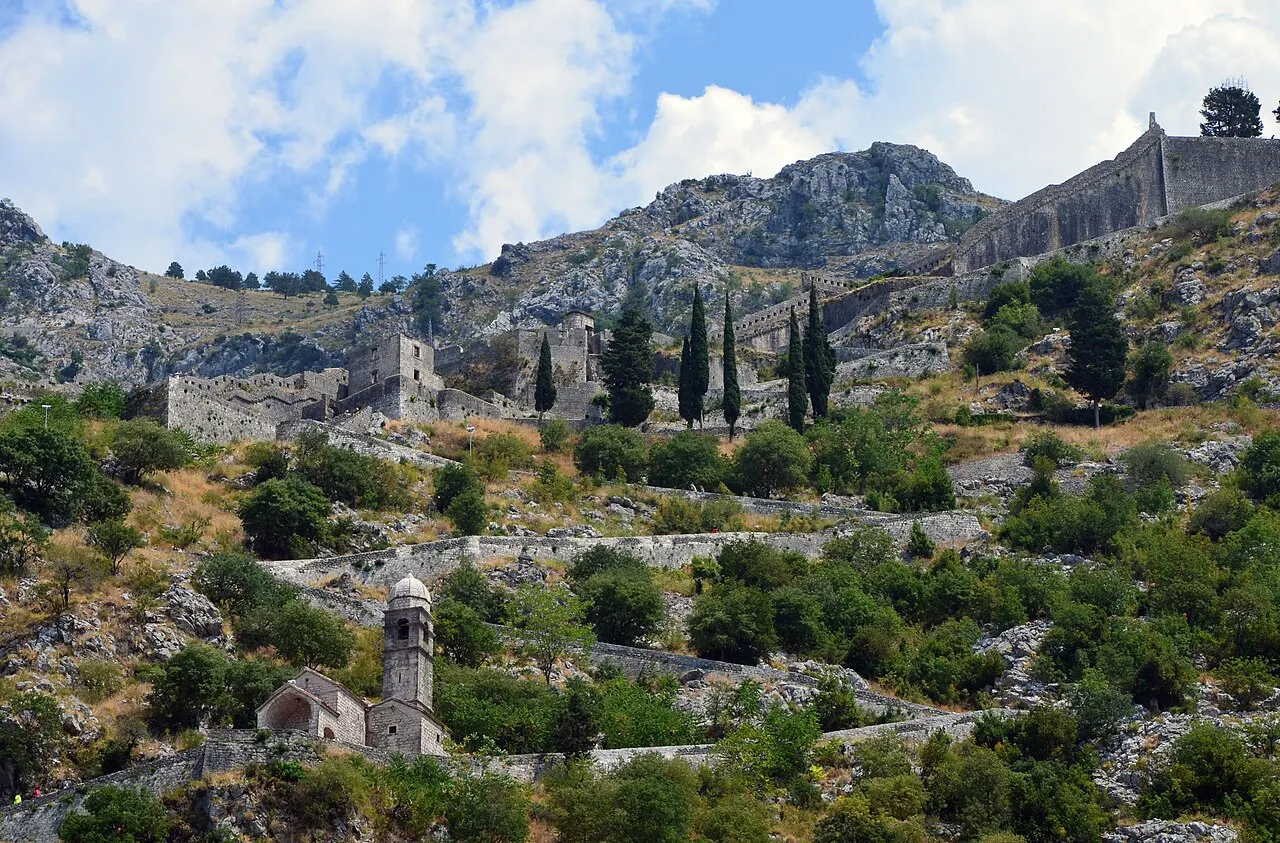
- ✓The little Church of Our Lady of Remedy, around the halfway mark, is the natural place to pause and the first knockout viewpoint.
- ✓Go at first light or in the late afternoon in summer — the bare limestone bakes by mid-morning and there is almost no shade.
- ✓A seasonal entry ticket applies in the busy months; verify the current price and hours, as both change.
- ✓The old caravan trail known as the Ladder of Kotor reaches similar heights on a gentler gradient, without the stairs.
Say it like a local
Tap to hear each one spoken.
What the city walls are
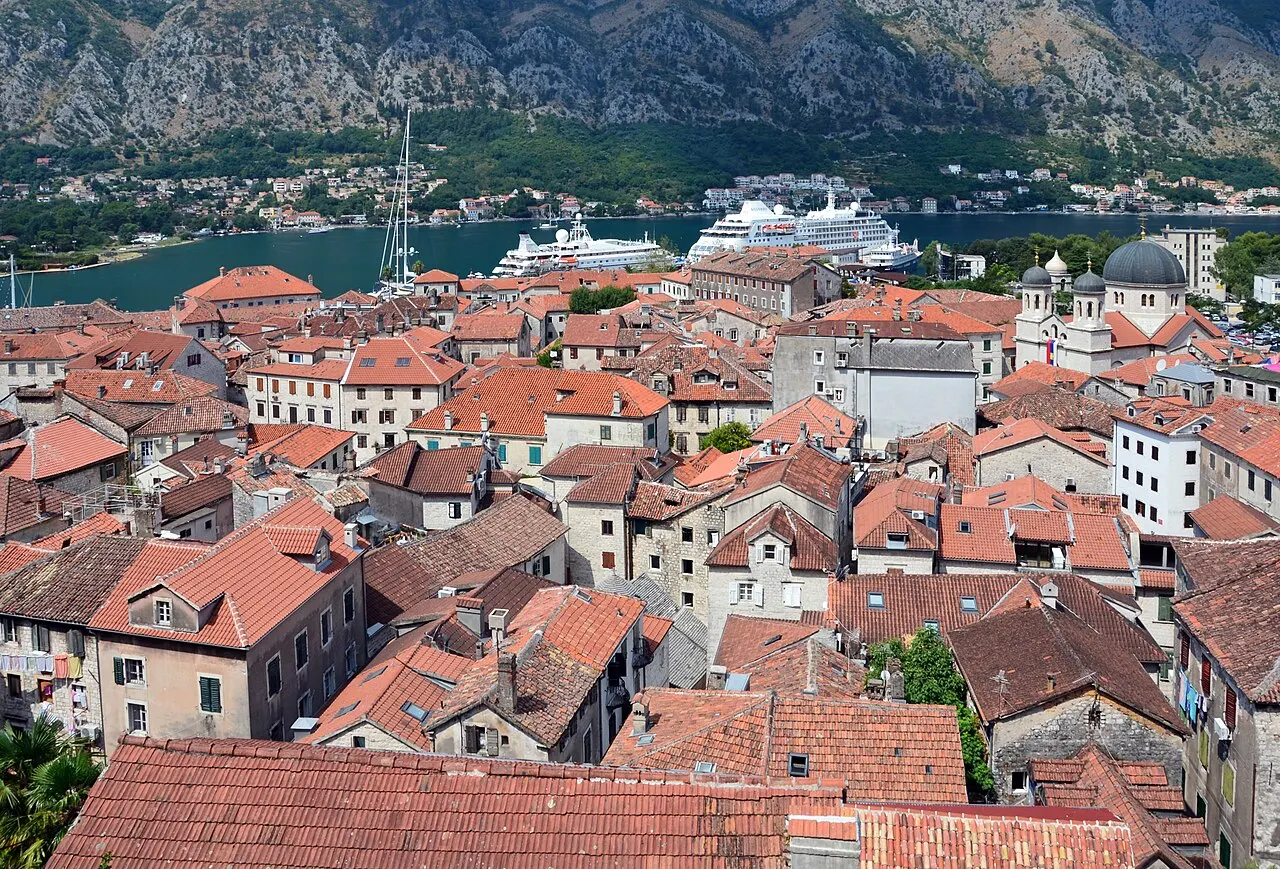
Kotor's city walls are not a single rampart but a whole defensive system that wraps the Old Town and then climbs, improbably, up the sheer cliff behind it. Built and rebuilt over more than a thousand years — by Byzantines, by the local nobility and above all by Venice — they run for roughly 4.5 kilometres and rise some 260 metres from the bay to the fortress on the ridge. From the water they read as a great stone zig-zag stitched onto the mountain, and they are the single image that defines Kotor. Together with the Old Town and the bay, they form part of the area's UNESCO World Heritage listing.
The wall-walk that visitors climb is the upper, vertical stretch of this system, leading from the back of the Old Town to St John Fortress — San Giovanni in the Venetian spelling — perched on the crest. It is the most popular thing to do in Kotor and the reason a great many people come at all. The reward is not subtle: terracotta roofs shrinking to a mosaic beneath you, the bay opening toward the Verige strait, and the grey mass of Mount Lovćen rising behind. It is a climb you remember.
What the climb is really like
This is a climb, not a stroll. The distance is modest but almost all of it is vertical, on a stairway of worn, uneven limestone that switches back across the cliff face. You do not need to be a hiker — fit families and unhurried older walkers manage it every day — but you do need decent shoes, water and a sensible hour. Most reasonably fit people reach the fortress in 35 to 60 minutes of steady going, and the descent is quicker but harder on the knees. Allow 1.5 to 2 hours round trip to enjoy it properly.
The number of steps is a local parlour game with no agreed answer: you will see figures from 1,200 to 1,500 quoted, depending on where you start and how you count. Field estimates cluster around 1,350; treat any single number, including ours, as an estimate. About halfway up, the small Church of Our Lady of Remedy gives you a breather and the first truly great view — and there is no shame at all in making the church your goal and turning back there, having earned a superb panorama for roughly half the effort.
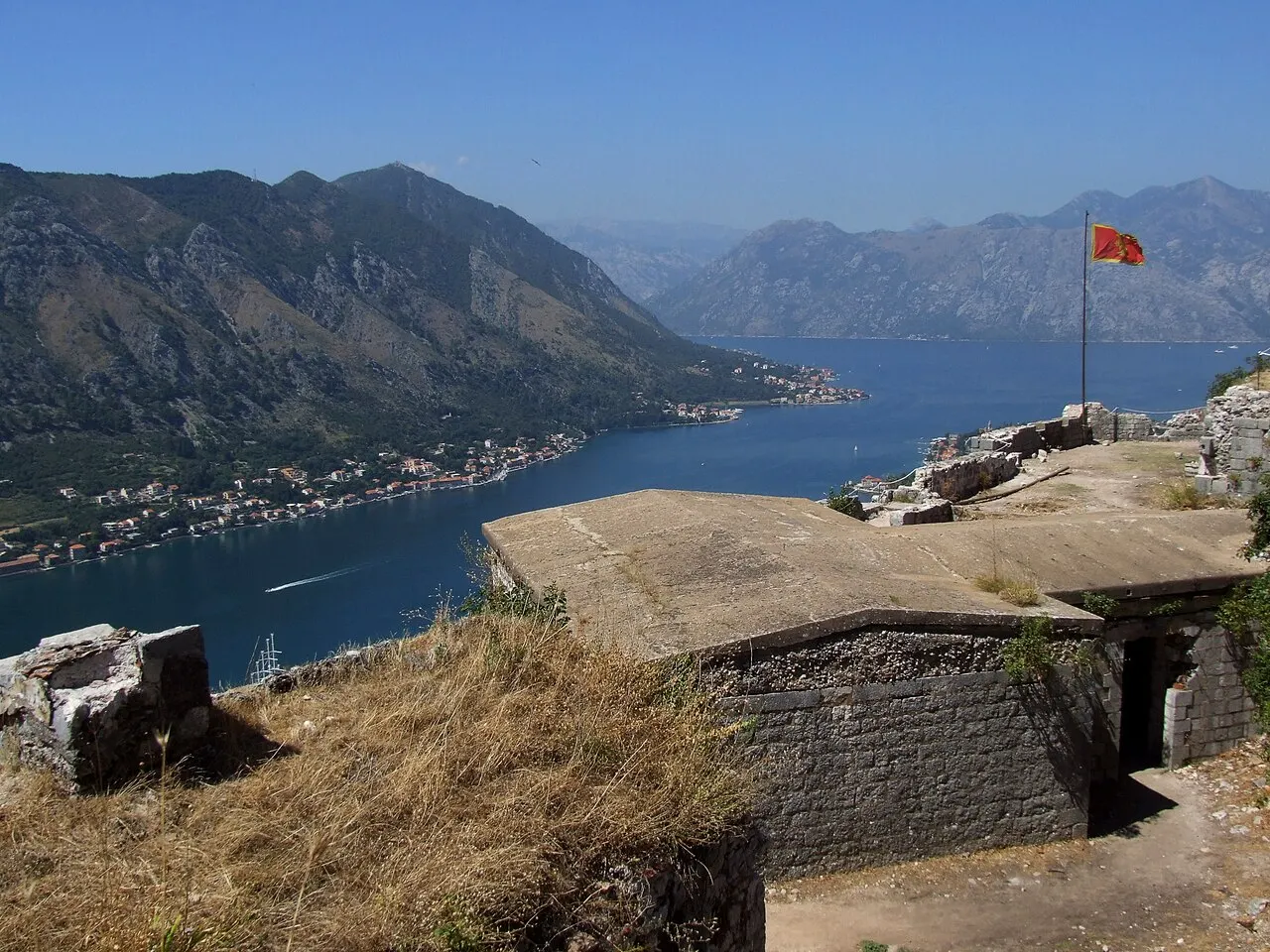
- Gain: about 260 m to the fortress, over an estimated ~1,350 stone steps.
- Time: roughly 35–60 minutes up; 1.5–2 hours round trip with stops.
- Effort: steep but not technical — heat and uneven, slick stone are the real challenges.
- Turn-back point: the halfway Church of Our Lady of Remedy is a satisfying shorter goal.
 Kotor Fortress Hike
A step-by-step guide to the route, pacing and what to bring.
Church of Our Lady of RemedyThe halfway chapel that doubles as a shorter, satisfying destination.
Map pins
Map data © OpenStreetMap contributors · Tiles © OpenFreeMap
When to go: heat, light and crowds
Timing matters more on the walls than almost anywhere else in Kotor, and getting it right is the difference between a magical climb and a miserable one. In July and August the limestone holds the sun and there is virtually no shade, so a midday ascent in high summer is genuinely punishing — and those same late-morning hours bring the heaviest cruise crowds onto the narrow stairs, where passing is awkward. Both problems have the same solution.
Climb at the edges of the day. At first light the stone is cool and the path nearly empty, with the bay waking up below you. In the late afternoon the light turns gold over the rooftops and you can time the summit for the bay sliding from gold to blue, then descend in the dusk. If a cruise ship is in port, check the day's calls and aim to be on the stairs before the tenders land or after the midday rush has thinned. Spring and autumn are kinder all round: comfortable temperatures, softer crowds and water still warm enough for a swim afterward.
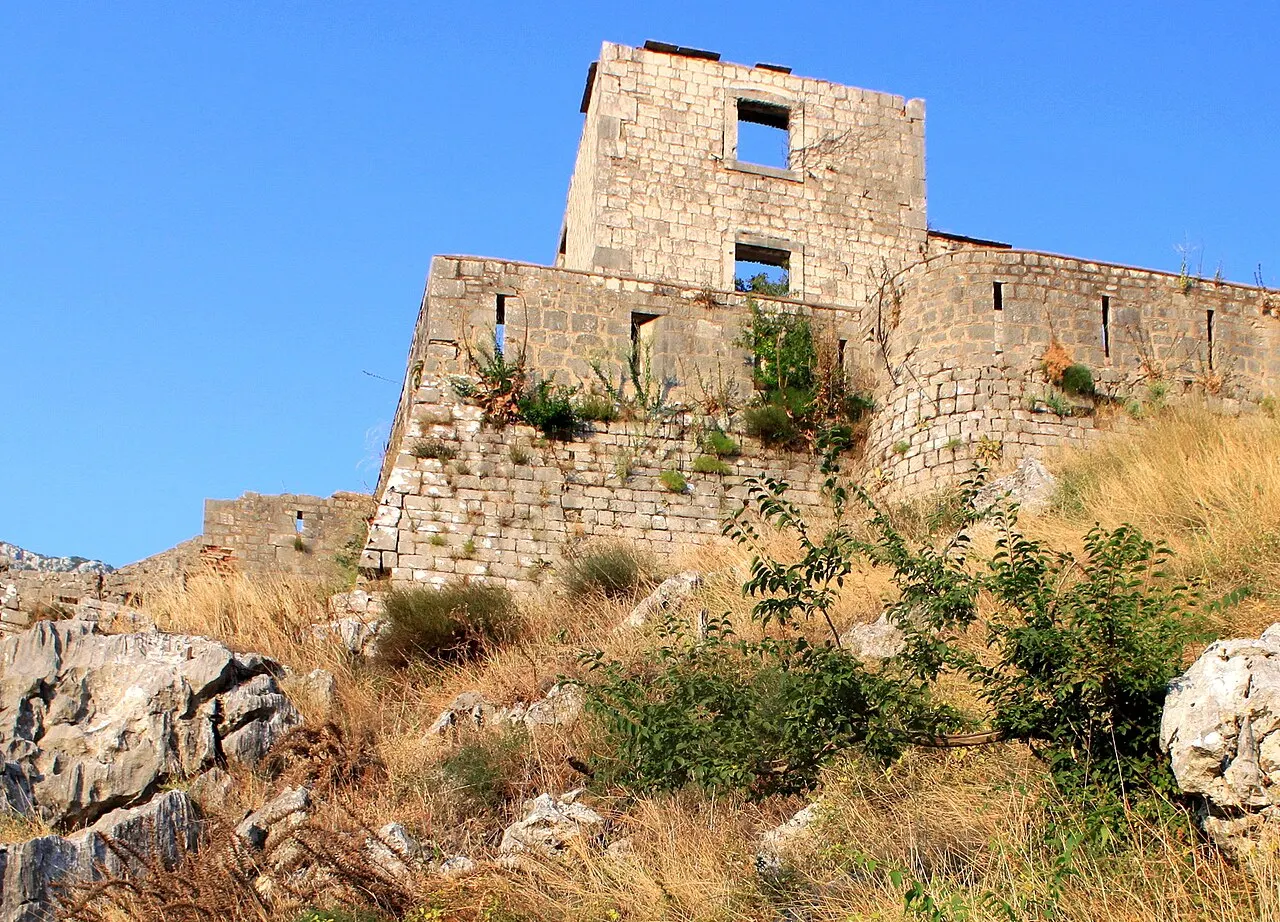
- Best light: the hour after sunrise or the hour before sunset.
- Avoid: the high-summer midday sun on the bare stone, and rain or wet stone.
- Crowds: heaviest mid-morning to mid-afternoon on cruise days — climb early or late.
- Shoulder seasons: spring and autumn are the most comfortable all round.
Tickets, entrances and the practical bits
In the busy months a seasonal entry ticket applies to the wall route, collected at a kiosk on the lower section. Out of season, or very early in the morning before the booth opens, the route is often free — but do not bank on it, and do not assume a specific price, since the fee and the operating hours both change. Verify the current ticket price and opening hours from an official or on-the-ground source on the day; we keep those volatile numbers out of the prose, where they would quickly go stale.
There are two main ways onto the walls. The principal entrance sits inside the Old Town near the back of the walled area, most easily reached by heading toward the River Gate end and following the obvious flow of climbers; a second, lower entrance lies just outside the north walls near the River Gate, beside the Škurda stream. Bring a little cash for the kiosk and for the drinks sometimes sold partway up in season, and carry your own water regardless — there is no reliable supply on the path.
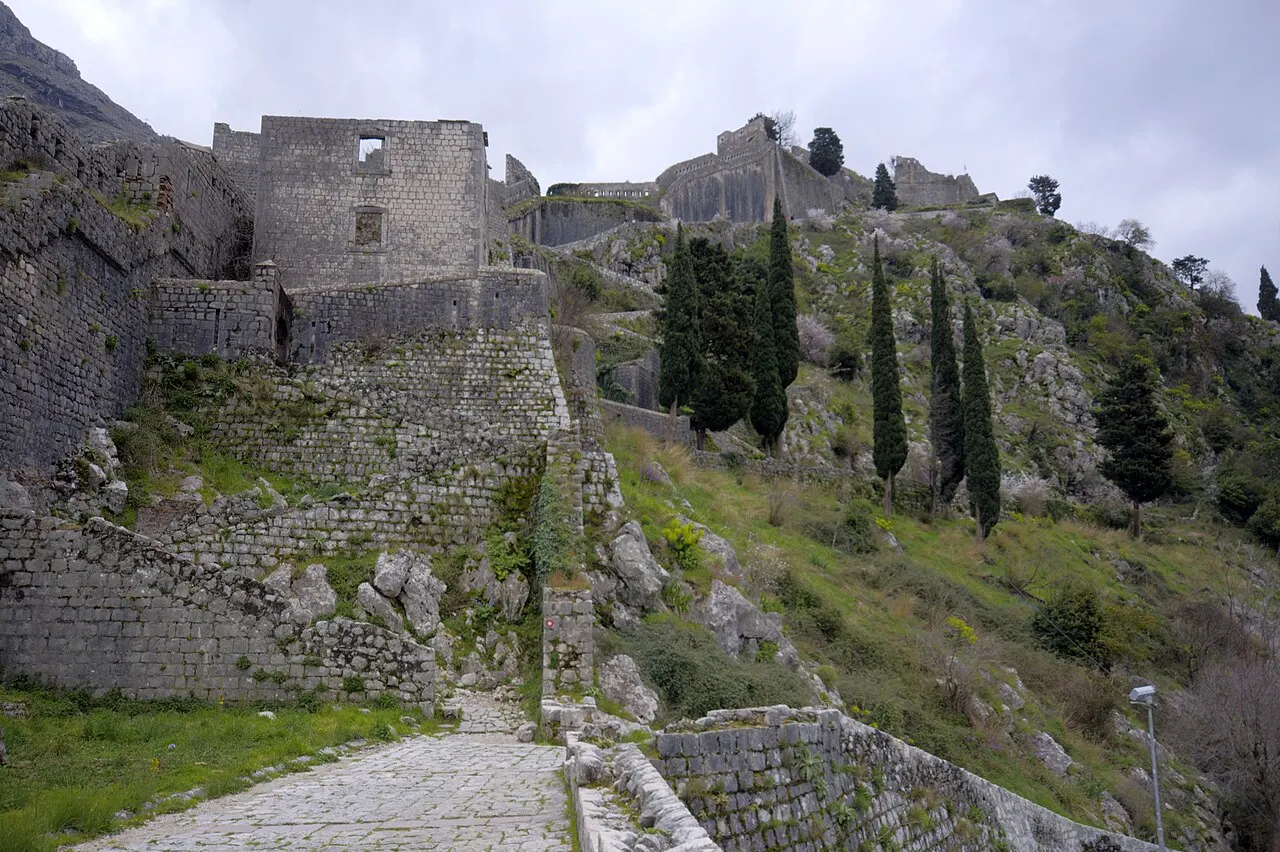
- Ticket: a seasonal fee applies in the busy months; often free out of season or very early — verify current price and hours.
- Entrances: the main one inside the Old Town near the back walls; a lower one outside the north (River Gate) walls.
- Bring: water, a little cash, sun protection and grippy closed shoes.
Safety on the stone
The walls are safe for ordinary visitors who use a little sense, but they are not a sanitised attraction. The stone is old, uneven and worn smooth in places, and there are unfenced drops and tempting side-scrambles off the official line. Stay on the marked route — the views from it are already superb and far safer than any improvised detour. Avoid the climb in rain or just after, when the limestone turns greasy, and skip it in the worst of the high-summer midday heat, which causes more trouble here than any fall.
Wear closed shoes with grip rather than sandals or smooth soles, and take the descent slowly, especially if your knees complain — trekking poles help. Children do fine with supervision, but keep a hand near them at the exposed sections near the top. And know your limits without embarrassment: turning back at the halfway church is a perfectly good day out, and far better than pushing on in heat you cannot handle.
- Stay on the marked route; the unfenced edges and side-scrambles are not worth it.
- Closed, grippy shoes — the worn limestone is slick, especially when damp.
- Avoid rain, wet stone and high-summer midday sun.
- Supervise children near the exposed upper sections; consider poles for the descent.
Gentler routes and alternatives
If the official stairway is closed, the ticket queue is long, or your legs simply prefer a trail to a staircase, the old caravan route known as the Ladder of Kotor switchbacks up the same mountainside on a gentler gradient. It is longer and more of a proper hike, climbing the serpentines that once carried goods up to Njeguši and the heights, but it reaches similar elevations and can be linked back toward the fortress, making a fine loop for stronger walkers who set off early.
For those who would rather not climb at all, the Kotor cable car and the high roads toward Lovćen reach grand bay panoramas by far easier means, and across the water the Vrmac ridge trades crowds for solitude. And remember the halfway Church of Our Lady of Remedy: it delivers a magnificent view for roughly half the ascent and is a worthy destination in its own right. There is no single correct way up the mountain — only the one that matches your legs, the weather and the hour.
City walls at a glance
Use this quick card to plan your window — but always verify the volatile details (current ticket price, the season's opening hours, and whether the wall route is open) from an official or on-the-ground source before you set off, as they change.
- Summit: St John Fortress (San Giovanni), ~260 m above the bay.
- Walls: roughly 4.5 km of fortifications, part of the bay's UNESCO World Heritage site.
- Climb: steep stone stairway, ~1,350 steps (estimate); no technical sections on the official route.
- Time: ~35–60 min up; 1.5–2 hours round trip with stops.
- Halfway: Church of Our Lady of Remedy — the natural rest and first big viewpoint.
- Best time: first light or late afternoon; avoid high-summer midday and rain.
- Ticket: seasonal fee in the busy months — verify current price and hours.
- Gentler option: the Ladder of Kotor trail, the cable car, or stopping at the halfway church.
A town kept by cats, watched by a lion
Kotor's free-roaming cats are its unofficial mascots — sailors once prized the ship's cats that kept plague-carrying rats off the quays, and the strays never left. They have a small museum of their own near the centre, and water bowls left for them in the lanes.
Above the gates, a different animal presides: the winged Lion of St Mark, carved across four centuries of Venetian rule (1420–1797).

Things to Do in Kotor
The best things to do in Kotor: the walled Old Town and its squares, St Tryphon Cathedral, the climb to St John Fortress, the cats, the viewpoints and a boat out onto the bay.
Read guideSt John Fortress Kotor
A visitor's guide to St John Fortress (San Giovanni) above Kotor — what waits at the summit, how long the climb takes, the route up the city walls, and when the bay views are at their best.
Read guideKotor Fortress Hike
A practical, step-by-step guide to climbing Kotor's city walls from the Old Town to St John Fortress — the route, the timing, how long it takes, what to bring, and how to fit the hike into a cruise day.
Read guideMore in Things to Do
6
Aquarium Boka
Visit Aquarium Boka, Montenegro's public aquarium in Dobrota just north of Kotor's Old Town — what's inside, family timing, tickets, the species on show, and the flat bay-side walking route to reach it.
Read guide
Bay of Kotor Scenic Drives
The best drives around the Bay of Kotor: the shoreline loop through Perast and the captains' villages, the white-knuckle Kotor–Lovćen serpentine, the Kamenari–Lepetane ferry shortcut, plus photo stops, summer traffic and driving cautions for each.
Read guide
Beaches Near Kotor
Where to swim near Kotor: the honest truth about the inner-bay town beaches, the quieter bay swims at Dobrota, Prčanj, Stoliv and Muo, the clear-water Luštica coves like Žanjice, and the sandy options down the coast at Budva.
Read guideBest Tours in Kotor
Which Kotor tour to book and why: Old Town walking tours, the fortress climb guided or solo, bay boat trips to Perast and the Blue Cave, food and wine tours, Lovćen and Cetinje mountain day trips, cruise shore excursions, and private boats and yacht charters.
Read guide
Best Viewpoints in Kotor
The best viewpoints over the Bay of Kotor, ranked by effort and payoff — St John Fortress, the halfway church, the Ladder of Kotor, the cable car, the Vrmac ridge, the serpentine roadside pullouts and the angle from the water.
Read guide
Cats of Kotor
Why cats are part of the Kotor experience — the maritime backstory, where to find them in the Old Town, how to photograph and feed them responsibly, and the small charities that care for the bay's free-roaming cats.
Read guide