
St John Fortress Kotor
A visitor's guide to St John Fortress (San Giovanni) above Kotor — what waits at the summit, how long the climb takes, the route up the city walls, and when the bay views are at their best.

- ✓St John Fortress — San Giovanni in the old Venetian spelling — crowns Kotor's city walls at roughly 260 m above the bay, the high point of the whole fortified system.
- ✓The fortress is the destination of the famous walls climb: an estimated ~1,350 steps up a steep, switchbacking stone stairway from the back of the Old Town.
- ✓Most walkers reach the top in 35–60 minutes; allow about 1.5–2 hours round trip with stops at the viewpoints and the halfway church.
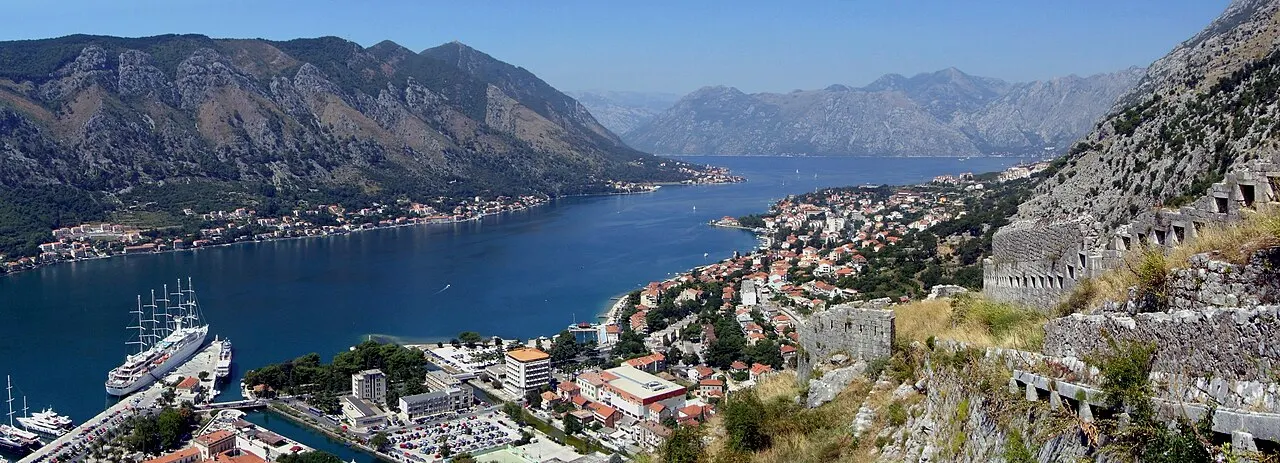
- ✓The reward is the view everyone comes for: terracotta roofs far below, the bay curving toward the Verige strait, and Mount Lovćen rising behind.
- ✓Go at first light or late afternoon in summer — the bare limestone bakes by mid-morning, when cruise-day crowds are heaviest too.
- ✓A seasonal entry ticket applies in the busy months; out of season or before the booth opens the wall route is often free — verify the current price and hours.
What St John Fortress actually is
St John Fortress sits at the very top of Kotor's ramparts, a tumble of stone bastions and ruined walls draped along the ridge of St John's Hill at roughly 260 metres above the water. The locals and the old maps call it San Giovanni, the Venetian name that stuck through centuries of Venetian rule. It is the crowning piece of the defensive system that loops up the mountainside from the Old Town, and the reason that system — and the town below it — carries a UNESCO listing.
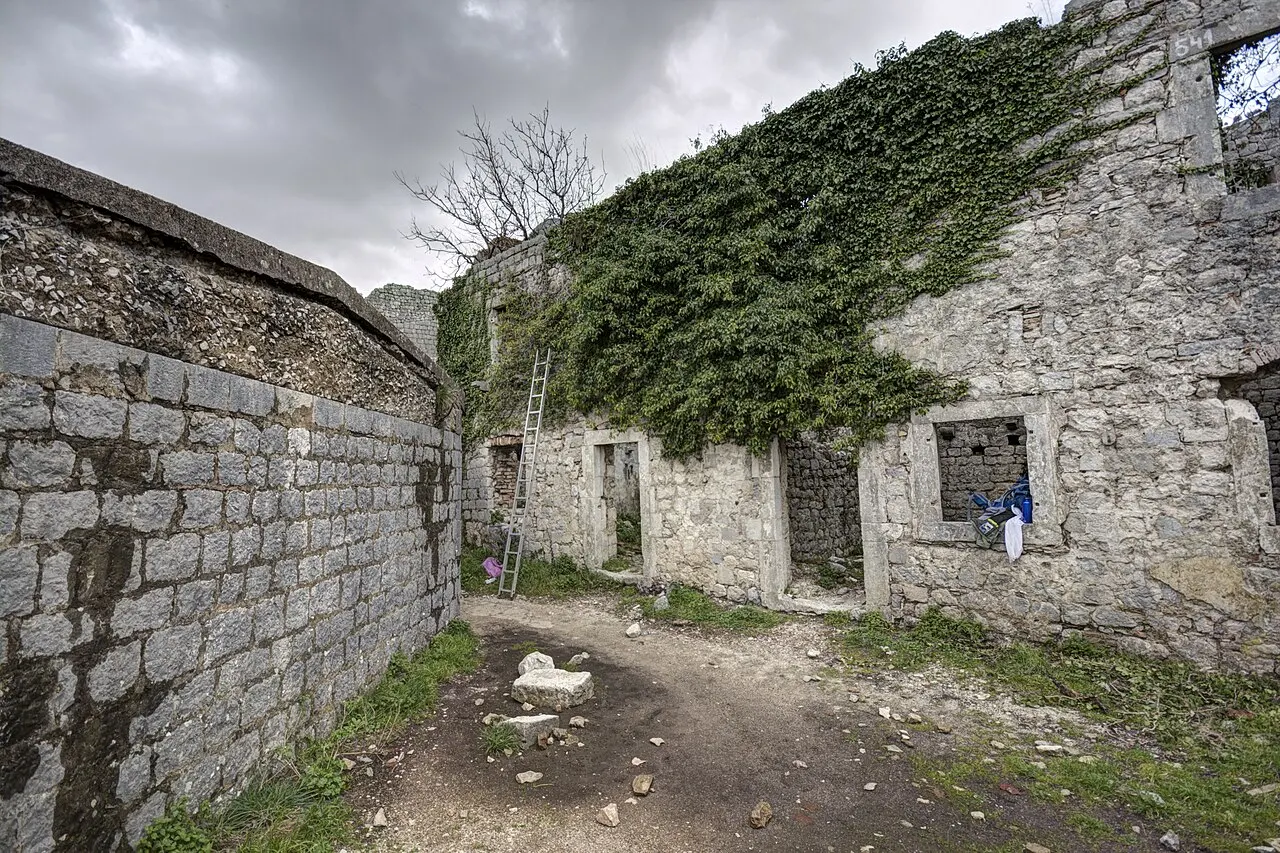
The fortress you reach today is largely a romantic ruin rather than a museum. There is no grand keep to tour, no ticketed interior, no café at the summit — just weathered ramparts, a few crumbling chambers, the small early-medieval Church of St John behind the walls, and a sweep of bay laid out beneath you. That bareness is the appeal. You climb for the height and the view, and the worn stone leaves you to imagine the sentries who once watched the strait for galleys and chains strung across the narrows.
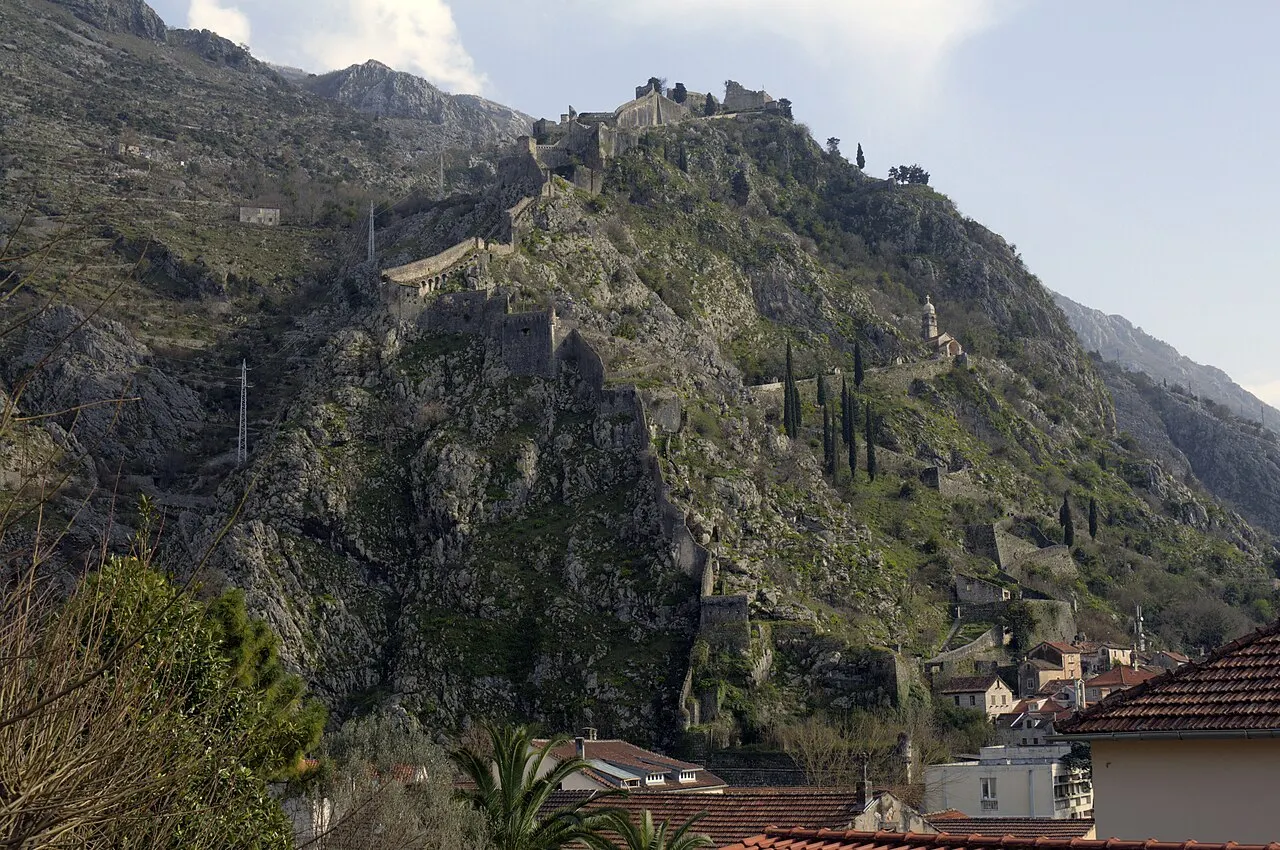
Getting to the top: the route up
There is no road and no lift to St John Fortress; you arrive on your own legs, up the city-wall stairway. The official route begins inside the Old Town, near the eastern edge of the walls behind the squares, most easily found by heading toward the River Gate end and following the obvious flow of climbers. A second, lower entrance lies just outside the north walls near the River Gate. From either, it is one continuous, well-trodden line up — no confusing forks on the wall path itself.
About halfway, the little Church of Our Lady of Remedy gives the first knockout viewpoint and the natural place to catch your breath. Above it the steps press on, steeper and more exposed, to the ramparts of the fortress itself. The whole way is stone steps rather than any scramble, so you do not need to be a hiker — but you do need decent shoes, water, and the patience to pace yourself on the worn, sometimes slick limestone.
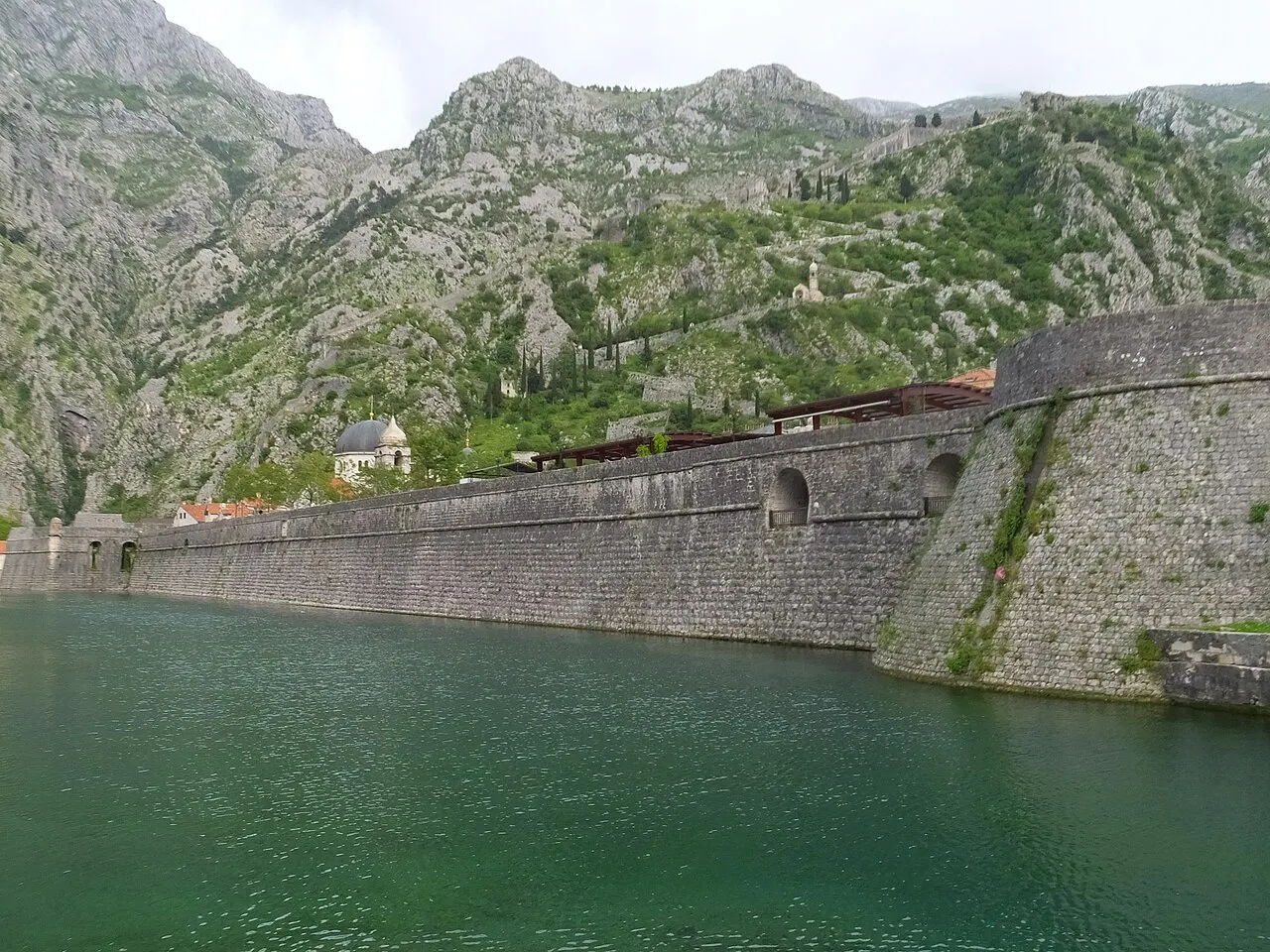
- Start inside the Old Town near the River Gate end, or from the lower north entrance outside the walls.
- Pause at the Church of Our Lady of Remedy, roughly halfway, for the first great viewpoint.
- Continue up the steeper upper steps to the fortress ramparts at ~260 m.
- Come down the same way — slowly; the descent is harder on the knees than the climb.
 Church of Our Lady of Remedy
The halfway chapel — its story, the photo, and why it's the perfect pause on the way up.
 Kotor Sea Gate
Where most visitors first enter the Old Town before finding the wall trailhead.
Map pins
Map data © OpenStreetMap contributors · Tiles © OpenFreeMap
How long it takes, and how hard the climb is
Most reasonably fit walkers reach the fortress in 35 to 60 minutes of steady climbing, with the descent rather quicker. Plan 1.5 to 2 hours round trip and you have room to linger at Our Lady of Remedy, photograph the bay from the top, and rest in the shade of the bastions before heading down. Race it and you will be faster; stop at every viewpoint — and you will want to — and it takes longer, which is the better way to do it.
The difficulty here is heat and surface, not technical climbing. There are no ladders or scrambles on the official route, just a great many steps. The exact count is a local parlour game — figures from 1,200 to 1,500 get quoted — and field estimates cluster around 1,350; treat any single number, including ours, as an estimate. Anyone with knee trouble should weigh the steep stone descent carefully and consider trekking poles, and there is no shame in turning back at the halfway church, which is itself a wonderful destination.
- Up: roughly 35–60 minutes at an easy-to-moderate pace.
- Round trip with stops: plan 1.5–2 hours.
- Height: about 260 m above the bay over an estimated ~1,350 steps.
- Shorter goal: the halfway Church of Our Lady of Remedy if the heat or the steps win.
The view from the top — and when it's at its best
The payoff is one of the great views in the Adriatic. From the ramparts the Old Town shrinks to a clenched fist of red roofs at the foot of the cliff, the bay unfurls in long blue arms toward Perast and the Verige strait, and the limestone wall of Mount Lovćen towers at your back. Boats trace white lines across the water; the islets off Perast catch the light. It is the picture that draws most people to Kotor in the first place, and it is even better in person than on the postcard.
Timing makes or breaks it. Climb at first light and the stone is cool, the path nearly empty, and the bay glassy and silver below you. Climb in the late afternoon and the light turns gold across the rooftops, the heat eases, and you can time the summit for the bay sliding from gold to blue as the town lights come on. For couples, the late-afternoon ascent is the romantic one — the day's best light, far fewer people, and the whole bay glowing as you start back down.
When to go: heat, light and the cruise crowds
In July and August the limestone holds the sun and there is almost no shade, so a midday climb is genuinely punishing — and those same late-morning hours bring the heaviest cruise-day crowds onto the narrow stairs. The fix is simple: go at first light or in the late afternoon. If a ship is in port, check the day's calls and aim to be on the stairs before the tenders land or after they have thinned out; the climb and the lanes both belong to early risers and to those who wait out the midday rush.
Spring and autumn are kinder all round — comfortable temperatures, softer crowds, and bay water still warm enough for a swim afterward. Avoid the stairs in rain or just after, when the worn stone turns greasy and the exposed upper sections become unforgiving. We keep the volatile details — ticket price, the season's opening hours, whether the route is open — flagged to verify, because they change.
- Best light: the hour after sunrise or before sunset.
- Avoid: high-summer midday and wet stone after rain.
- On a cruise day: climb before the tenders land or after the midday rush thins.
- Shoulder seasons (spring, autumn) are the most comfortable times to climb.

A little history, and what stands up there
The fortifications that lead up to St John Fortress grew over many centuries and many rulers. Kotor was shaped above all by Venice, which held the town for some four hundred years and gave San Giovanni its name and much of its present form, but Illyrian, Byzantine and later builders all left their hand on the walls. The whole system — roughly four and a half kilometres of ramparts looping from the bay up to the fortress and back — was designed to make Kotor near-impregnable, screening the town from the sea and from the mountain passes alike. It is precisely this layered defensive landscape, town and walls and bay together, that UNESCO recognised when it inscribed the area on the World Heritage list.
What survives at the summit today is romantic ruin rather than restored monument: weather-worn bastions, fragments of vaulted chambers, and the small, very old Church of St John tucked behind the upper walls, which gives the hill and the fortress their name. There are no guides, no exhibits and no railings in most places — just stone, sky and the long view. That rawness is part of why the climb feels like a small expedition rather than a sightseeing stop, and why reaching the top is so satisfying.
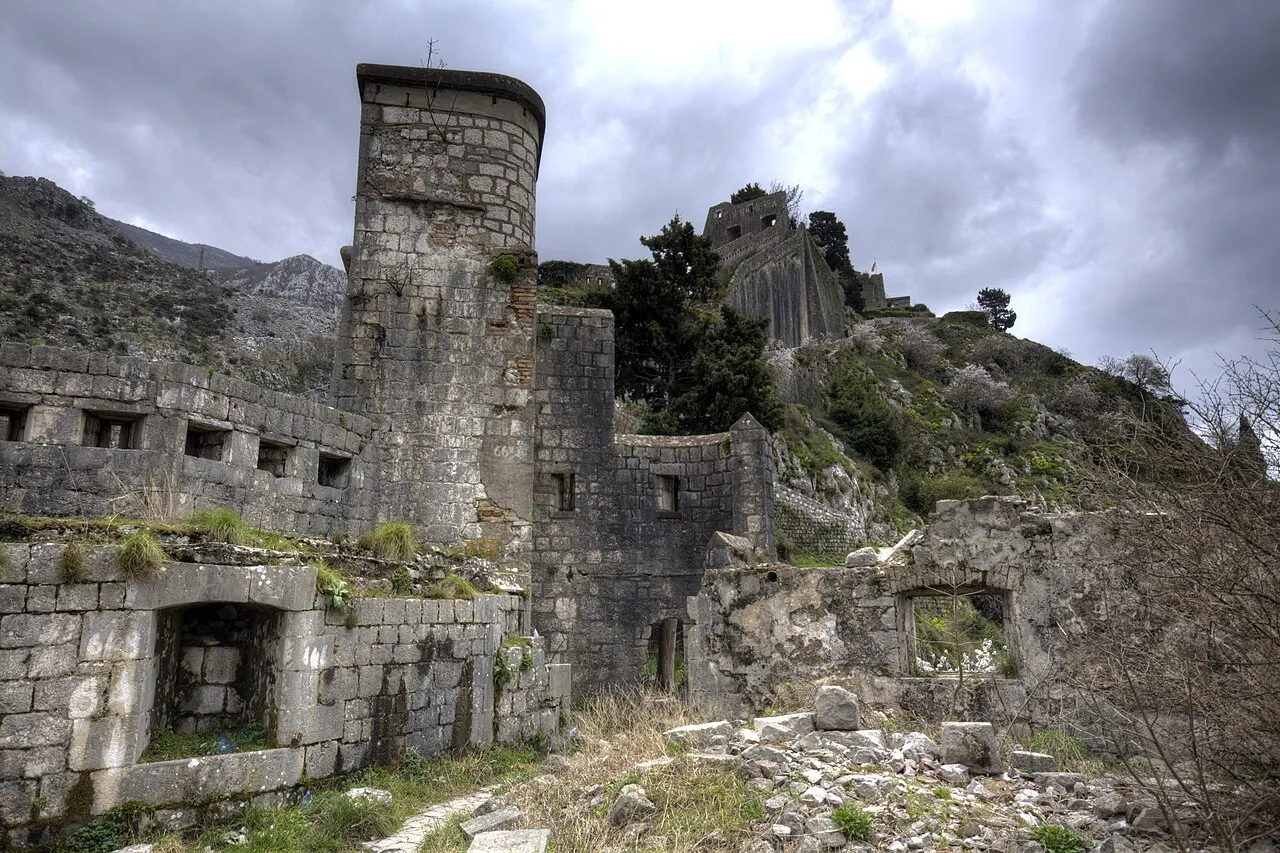
- Shaped over centuries — Illyrian, Byzantine and above all Venetian builders.
- Part of ~4.5 km of ramparts looping from the bay up to the fortress.
- The defensive town-walls-and-bay landscape carries a UNESCO World Heritage listing.
- At the top: ruined bastions and the small old Church of St John that names the hill.
St John Fortress at a glance
Use this quick card to plan your climb — but always verify the volatile details (current ticket price, the season's opening hours, and whether the wall route is open) from an official or on-the-ground source before you set off, as they change.
- What: St John Fortress (San Giovanni), the ruined summit of Kotor's city walls.
- Height: roughly 260 m above the bay, on St John's Hill.
- Access: on foot only, up the wall stairway from the Old Town — an estimated ~1,350 steps.
- Time: ~35–60 min up; 1.5–2 hours round trip with stops.
- Halfway: Church of Our Lady of Remedy — the natural rest and first big viewpoint.
- Best time: first light or late afternoon; avoid high-summer midday and rain.
- Ticket: seasonal fee in the busy months — verify current price and hours.
- Bring: water, grippy closed shoes, sun protection, a little cash.
Kotor Fortress Hike
A practical, step-by-step guide to climbing Kotor's city walls from the Old Town to St John Fortress — the route, the timing, how long it takes, what to bring, and how to fit the hike into a cruise day.
Read guideChurch of Our Lady of Remedy
A short guide to the Church of Our Lady of Remedy — the small white chapel roughly halfway up Kotor's city walls, the natural place to rest, the first great viewpoint, and a worthy shorter goal than the full fortress climb.
Read guide
Best Viewpoints in Kotor
The best viewpoints over the Bay of Kotor, ranked by effort and payoff — St John Fortress, the halfway church, the Ladder of Kotor, the cable car, the Vrmac ridge, the serpentine roadside pullouts and the angle from the water.
Read guide