
Best Museums in Kotor
How to choose Kotor's museums and small collections by interest, time and weather — the Maritime Museum, the cat museum, the cathedral treasury, the sacred-art collections, and the aquarium in Dobrota.

Photo: Gleb Rurenko / Unsplash
- ✓Kotor's museums are small and walkable — most are a few minutes' stroll apart inside the walls, so you choose by interest rather than logistics.
- ✓The Maritime Museum is the anchor: three floors of Boka seafaring history in a Baroque palace, and the one museum almost everyone should see.
- ✓The cathedral treasury and the church collections reward anyone drawn to sacred art, relics and the town's deep religious history.
- ✓On a hot afternoon or a rainy day, the museums are Kotor's natural refuge — cool, indoor and unhurried.
- ✓Opening hours and ticket prices shift with the season and can change without notice; verify them on the day before you plan around them.
How to choose, and how much time to give it
Kotor is not a museum city in the way of a capital — there is no single blockbuster collection you must queue for — but it has a handful of small, characterful museums and treasuries that reward an hour or two, especially when the sun is high or the rain is in. Because the Old Town is tiny and car-free, they are all within a few minutes' walk of one another, so the real question is not how to get between them but which ones suit you.
Think about it by interest. If you came for the bay's seafaring story, the Maritime Museum is the one. If you are drawn to sacred art, relics and religious history, the cathedral treasury and the church collections are your afternoon. If you are travelling with children or simply want something lighter, the cat museum and — a short walk north along the bay — the aquarium are the easy, charming choices. Most visitors do one or two of these, not all of them; an unhurried museum afternoon in Kotor is a pleasure, a museum marathon is not.

1. The Maritime Museum of Montenegro
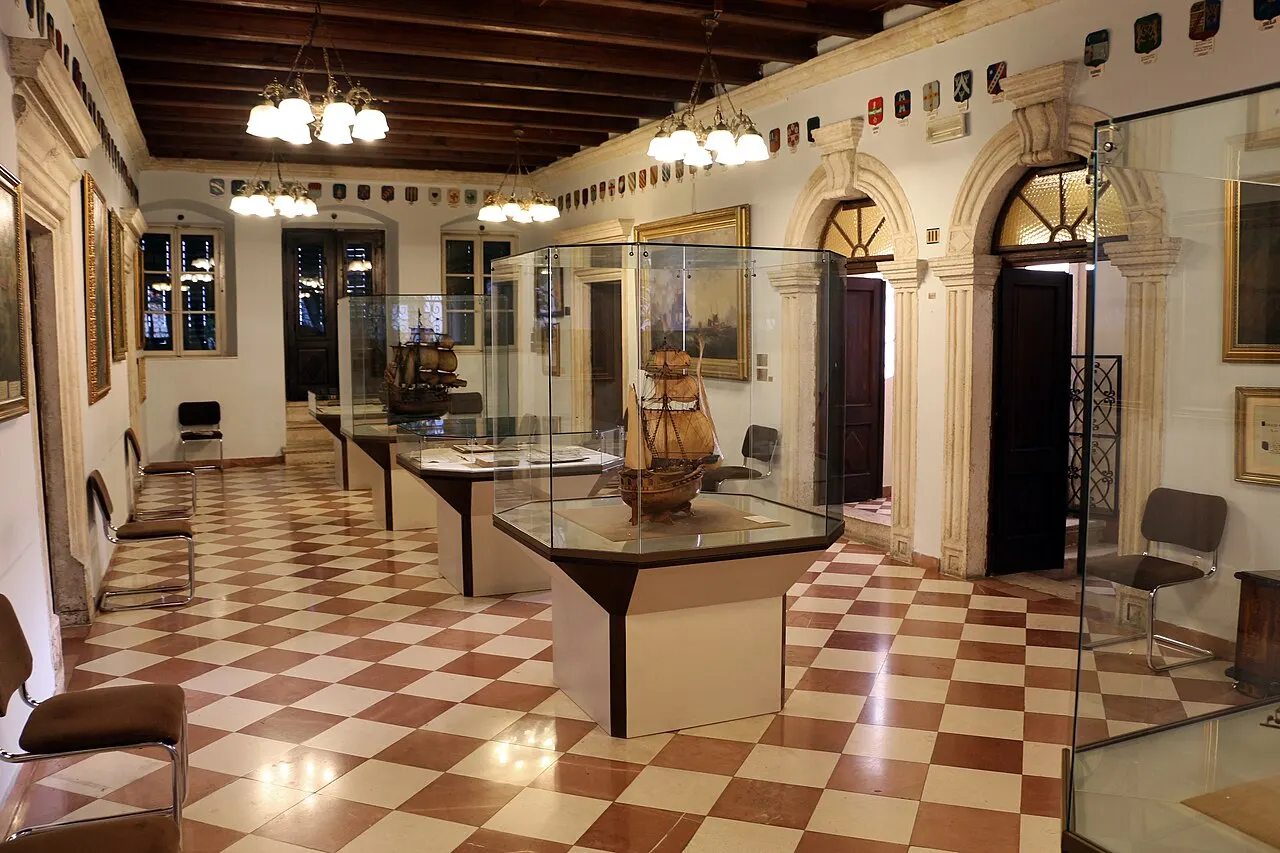
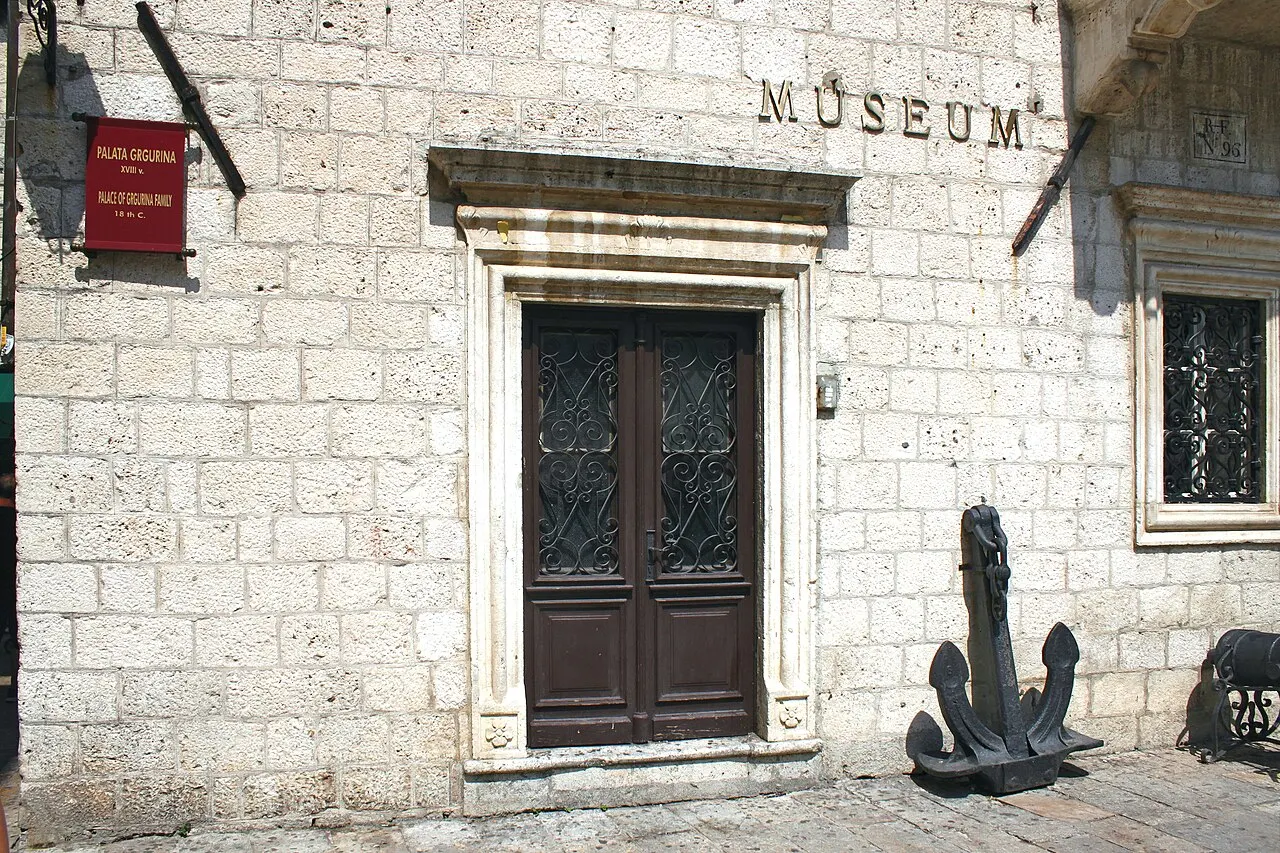
If you visit one museum in Kotor, make it this one. Housed in the Baroque Grgurina Palace near St Tryphon Square, the Maritime Museum tells the story that explains the whole bay: how the Boka Kotorska, this improbable inland sea, produced one of the Adriatic's great seafaring traditions. Across its floors you will find ship models and figureheads, captains' portraits, navigation instruments, charts, weapons and the rich material culture that returning sailors brought home to the captains' towns of Perast, Prčanj and Dobrota.
It is the context that makes the rest of a Kotor trip make sense — why Perast has palaces, why Our Lady of the Rocks exists, why a small town at the end of a fjord-like bay has a navy day of its own. Give it an hour at an easy pace, more if you read every label. The palace itself, with its grand staircase and period rooms, is half the pleasure. An audio guide is usually available; verify the current ticket price and opening hours before you go, as both shift between the high and low seasons.
- Best for: anyone curious about the bay's seafaring history — the single most rewarding museum in town.
- Time needed: about an hour, longer for the thorough.
- Verify hours and ticket price on the day; an audio guide is usually offered.
 Maritime Museum Kotor
The ships, captains, charts and weapons inside the palace, in full.
Kotor History GuideThe Venetian, maritime and religious threads the museum brings together.
Map pins
Map data © OpenStreetMap contributors · Tiles © OpenFreeMap
2. St Tryphon Cathedral treasury
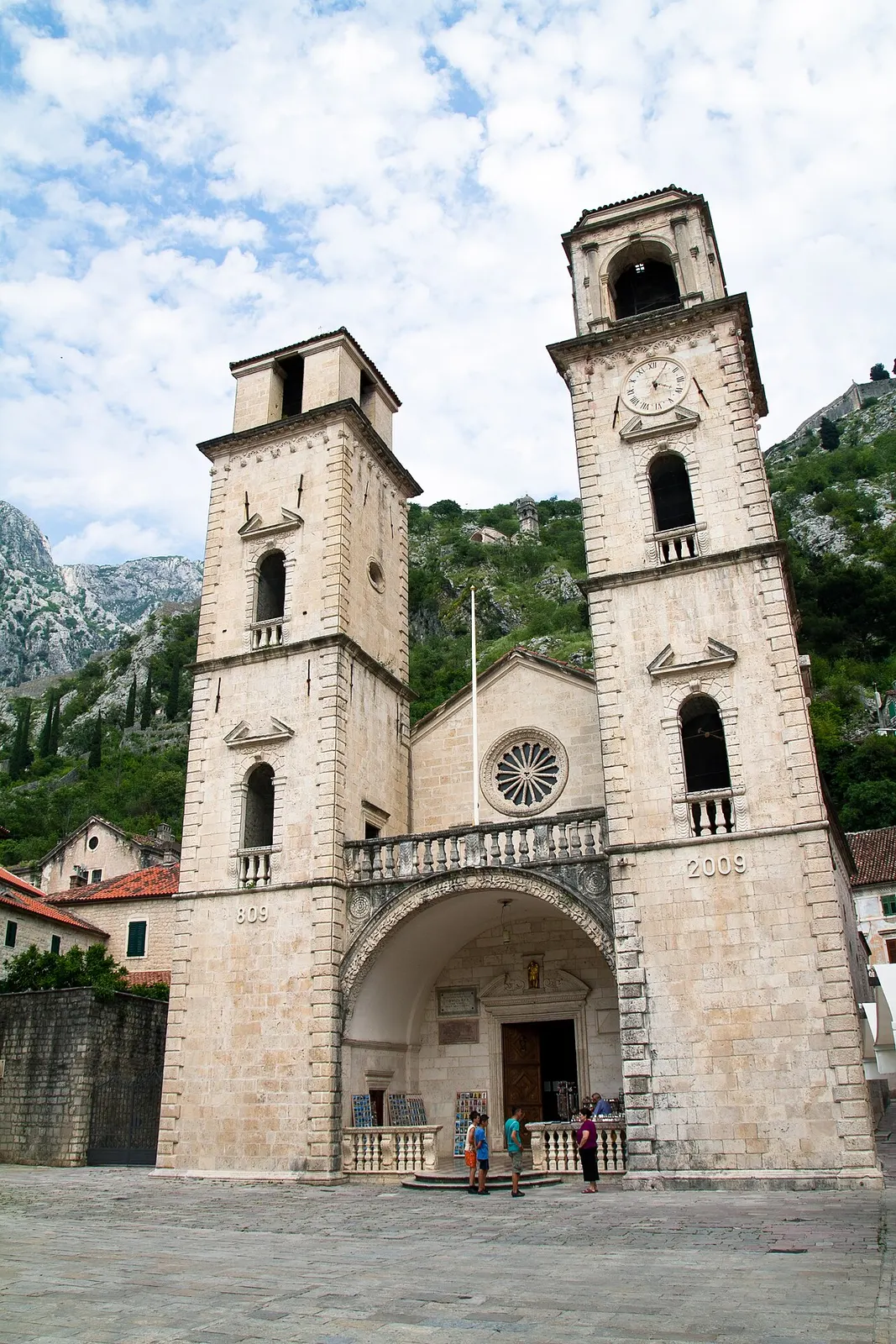
Kotor's cathedral, consecrated in 1166 and dedicated to the city's patron St Tryphon, is the spiritual and historical heart of the Old Town — and its treasury is a small museum in its own right. Upstairs, reached from within the Romanesque church, the reliquary chapel holds centuries of gold and silver votive work, vestments, paintings and the relics around which the town's identity has been built. It is a concentrated, atmospheric collection rather than a sprawling one.
Pair the treasury with the cathedral itself — the two distinctive bell towers, the stone ciborium over the altar, the frescoes — and you have an hour that doubles as the town's deepest history lesson. A ticket usually covers the church and the treasury together; dress modestly, as this is an active place of worship, and verify the current admission and hours before you arrive, since they vary with services and season.

3. Sacred art: the church collections
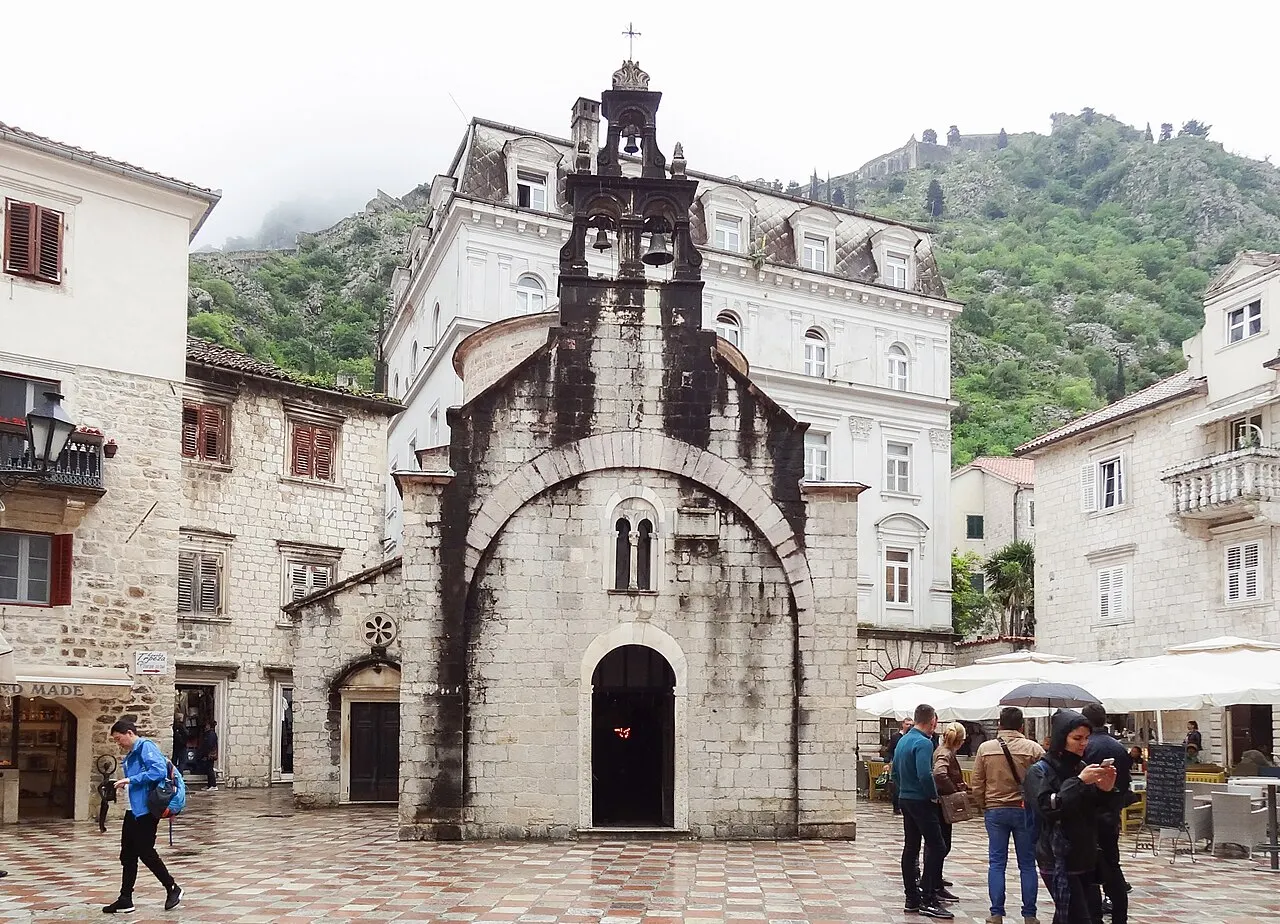
Beyond the cathedral, Kotor's smaller churches hold collections worth seeking out for anyone drawn to icons and religious art. St Luke's, the little 12th-century church on its own square, carries a unique double history — Catholic and Orthodox altars under one roof — that tells the story of the town's mixed faith in a single room. Nearby St Nicholas, the larger Serbian Orthodox church, holds icons and ecclesiastical treasures and is a working centre of Orthodox life in the town.
These are not ticketed museums in the usual sense so much as living churches with collections inside them, and they reward a quiet, respectful visit between the bigger sights. Together with the cathedral treasury they make a coherent 'sacred Kotor' afternoon — small, cool, and rich in the kind of detail that the busy squares outside never show. Observe any signs about photography, and keep your visit quiet if a service is underway.
- Best for: lovers of icons, relics and sacred art, and anyone tracing Kotor's mixed religious history.
- These are working churches — dress modestly, keep quiet, and respect photography rules.
- Free or low entry in most cases, but treat any posted donation or fee as the norm to verify.
4. The Cats Museum
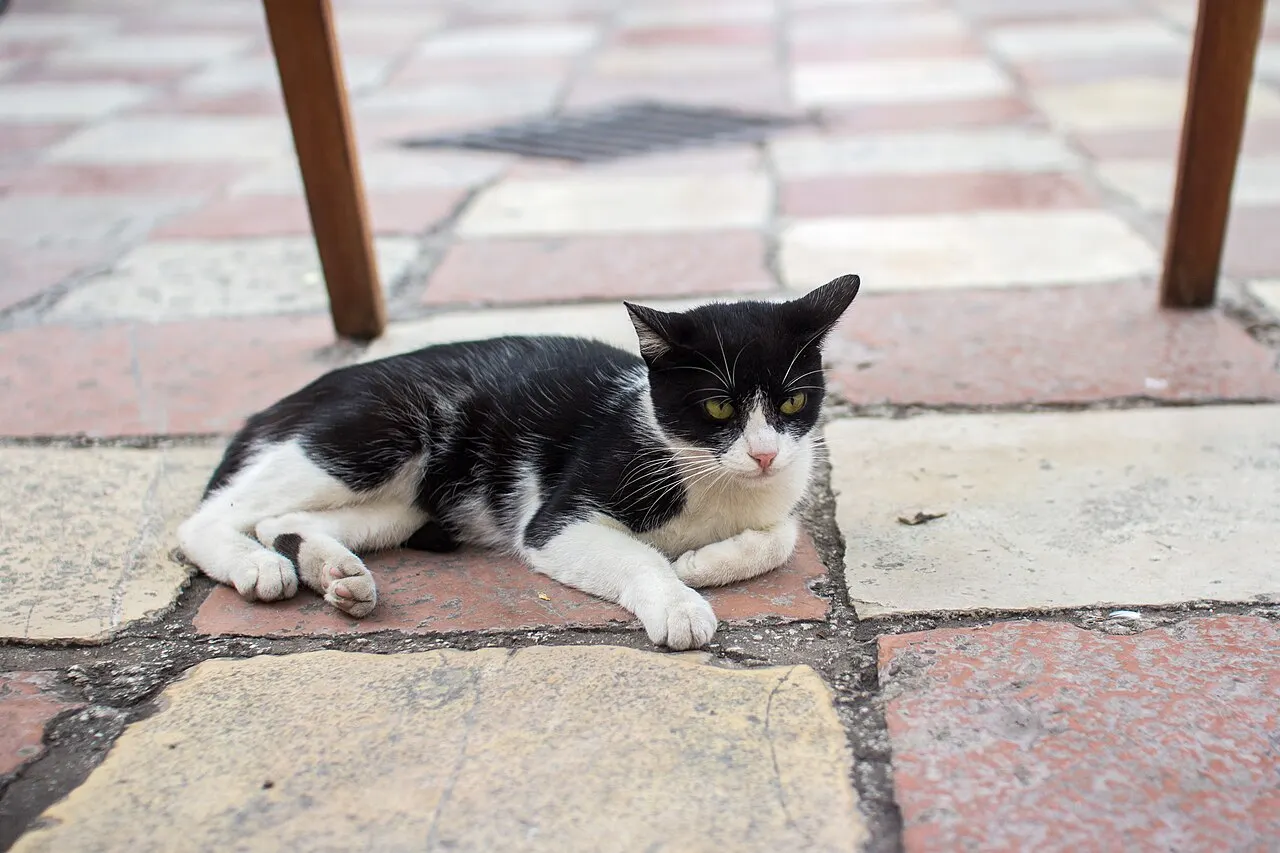
Kotor's free-roaming cats are the town's unofficial mascots, and they have a small museum of their own near the centre. It is a modest, charming collection — vintage prints, postcards, jewellery, posters and ephemera, all on the feline theme — run with a soft spot for the strays the proceeds help support. Nobody comes to Kotor for the cat museum, but plenty of people are glad they ducked in, and it is exactly the right size for a short, light break between heavier sights.
It is the easiest museum in town to enjoy with children, who will already be cat-spotting in every lane, and it makes a gentle wet-weather or hot-afternoon stop. Keep your expectations proportionate — it is small, and a visit is short — but as a piece of Kotor's particular character it is hard to dislike. Verify the opening hours and the small entry donation before you go.

5. Aquarium Boka, Dobrota
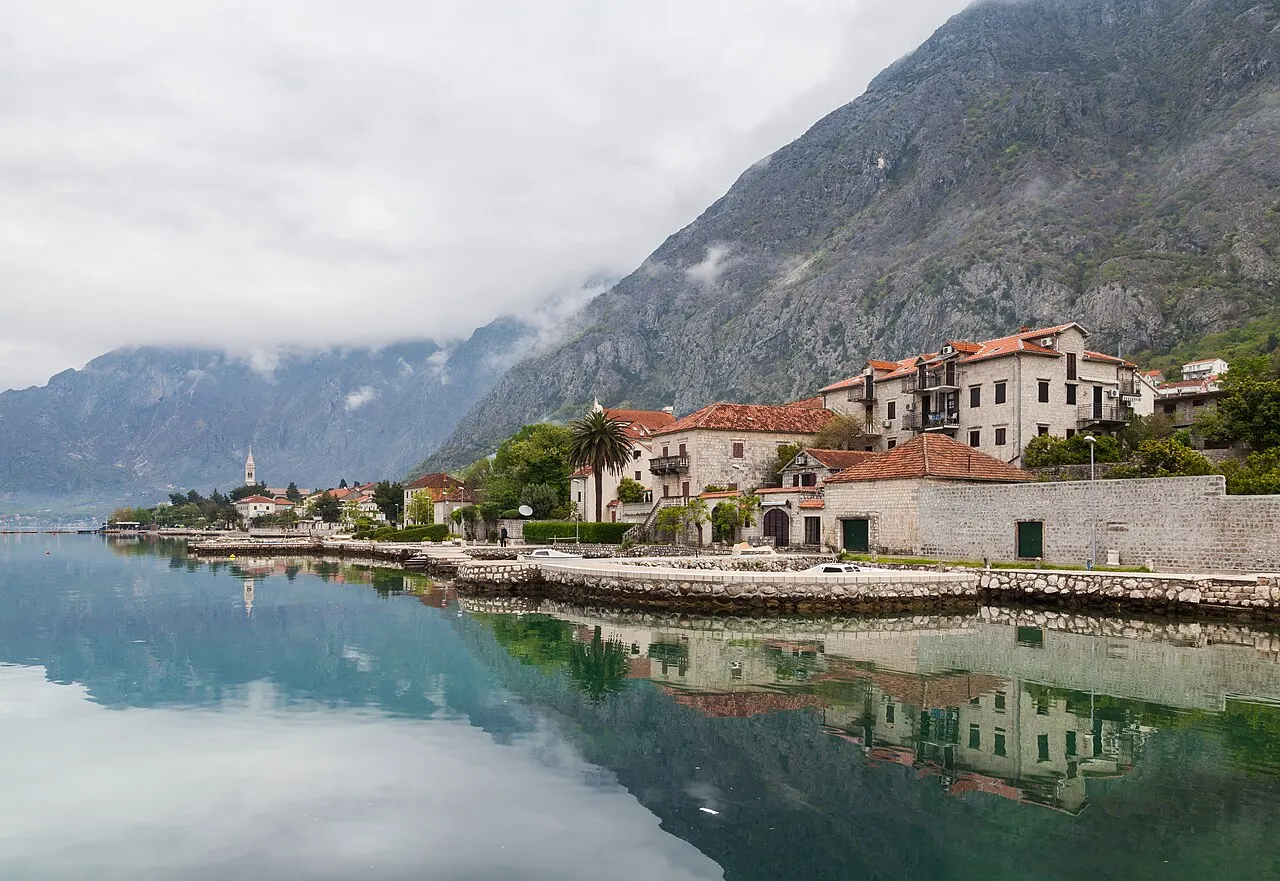
Not strictly a museum and not inside the walls, but the natural companion to this list: Montenegro's public aquarium sits a short walk or drive north of the Old Town in Dobrota, along the bay. It is a compact, family-minded attraction showcasing the marine life of the Boka and the wider Adriatic, and it works as a cool, indoor stop on a hot day or a wet one — particularly with children who have had their fill of stone lanes.
Pair it with the Dobrota waterfront promenade, which makes an easy flat walk from the Old Town and a swim spot in season, and you have a relaxed half-day away from the crowds. Verify the aquarium's opening hours and admission before you set out, as a small attraction like this can keep seasonal hours.
- Best for: families and anyone wanting an indoor, kid-friendly stop out of the heat.
- Location: Dobrota, north of the Old Town — pair it with the waterfront promenade.
- Verify opening hours and admission; seasonal hours are likely.


Building a museum afternoon
The simplest plan threads the indoor stops through the hottest or wettest part of the day, leaving the walls and the bay for the cool, clear hours. A classic 'culture afternoon' runs cathedral and treasury, then the Maritime Museum a few minutes away, then a quiet look into St Luke's and St Nicholas on St Luke's Square — perhaps ninety minutes to two hours all in, all within the walls, all on foot. Add the cat museum if you want a light finish.
If you are travelling with children or want a lighter day, swap the sacred-art stops for the cat museum inside the walls and the aquarium up in Dobrota, with the bay promenade between them. Either way, treat the museums as Kotor's refuge rather than its headline: they are at their best on the days when the heat, the rain or the cruise crowds have pushed you off the stairs and the squares, and they cool and slow the trip in exactly the right way.
Maritime Museum of Montenegro, Kotor
Inside Kotor's Maritime Museum of Montenegro: the baroque Grgurina Palace, three floors of ships, captains' portraits, maps, weapons and Boka seafaring history — and why it is the Old Town's best rainy-day visit.
Read guide
Kotor Cats Museum
A playful but practical guide to Kotor's small Cats Museum in the Old Town — what's inside, who it's for, what it costs, and how to fit it into a lighter, cat-themed loop of the walled town.
Read guide
Rainy Day Kotor Guide
What to do in Kotor when it rains: the maritime and cat museums, St Tryphon Cathedral and the Old Town churches, snug cafés and konobas, covered palazzo courtyards, hotel spas, and bay plans that still work in wet weather.
Read guide