
St Luke's Church, Kotor
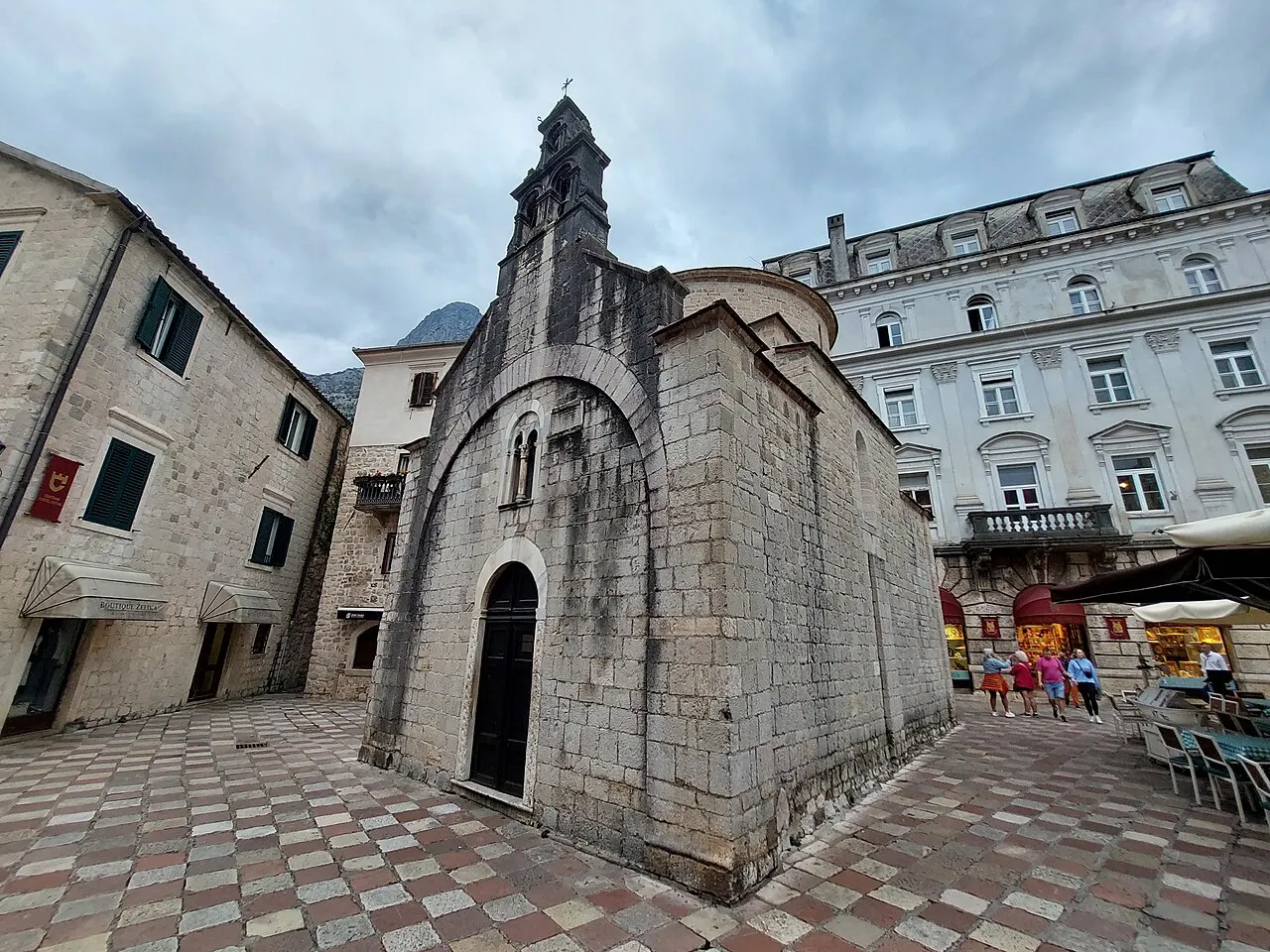
A guide to one of Kotor's most atmospheric small churches: St Luke's (Sveti Luka), built in 1195, famous for the rare period when it held both a Catholic and an Orthodox altar — and the quiet square it shares with St Nicholas's.

Photo: Linda Gerbec / Unsplash
- ✓St Luke's is one of the oldest buildings in Kotor, built in 1195, a small Romanesque-Byzantine church on the square that bears its name.
- ✓For more than two centuries it served two faiths at once, with a Catholic and an Orthodox altar side by side — a rare emblem of the bay's religious coexistence.
- ✓The floor is paved with old gravestones, a quietly moving detail that tells you how long this church has stood at the town's heart.
- ✓It is tiny, calm and far less crowded than the cathedral — one of the Old Town's most rewarding small stops.
- ✓St Luke's Square, shared with the larger St Nicholas's Church, is one of the loveliest quiet corners inside the walls.
A small church with a long memory
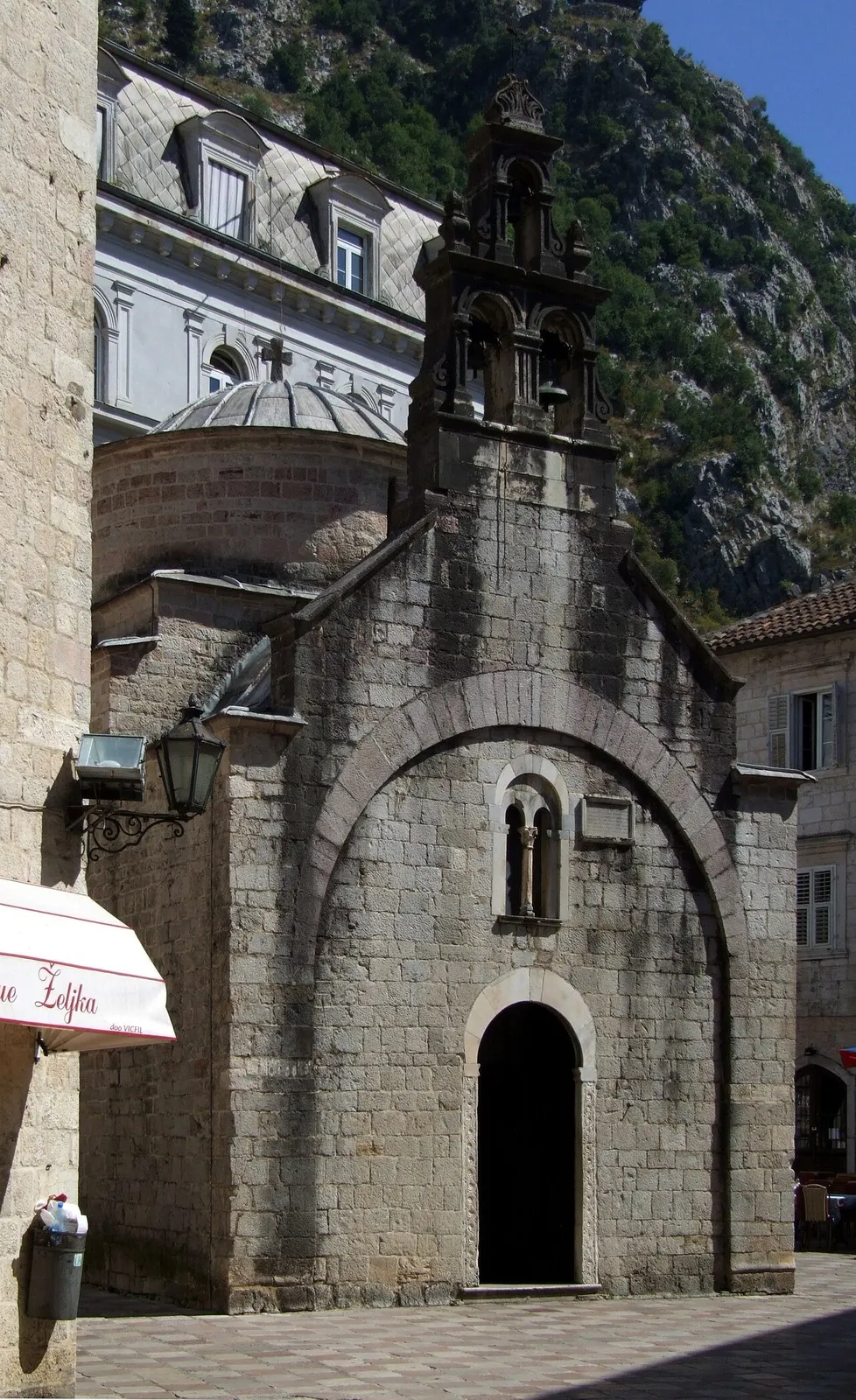
Of all the churches packed into Kotor's walled town, St Luke's (Crkva Svetog Luke) is the one that most rewards a slow look. It is small — you can take in the whole interior at a glance — but it is also one of the oldest standing buildings in the city, and it carries more history per square metre than almost anything around it. Where the cathedral overwhelms with scale and gold, St Luke's works quietly: low stone vaults, worn flagstones and centuries of accumulated devotion in a space you could cross in a few steps.
An inscription dates the church to 1195, built by a local citizen and his wife in the closing years of the 12th century. Its architecture is a marriage of styles that suits the bay's in-between position: a Romanesque body with Byzantine touches, the kind of blend you find where the Latin West and the Orthodox East met and overlapped. Remarkably, St Luke's came through the great earthquakes that flattened so much of Kotor more or less intact — one reason it feels so authentically old.

Two faiths under one roof
St Luke's most extraordinary chapter is its shared history. The church began as a Catholic one, but from the late 17th century — as Orthodox families settled in Kotor — it was given over to shared use, holding both a Catholic and an Orthodox altar at the same time. For more than two hundred years the two communities worshipped at the same small church, an arrangement almost unheard of and a genuine emblem of the coexistence that has long defined the Bay of Kotor.
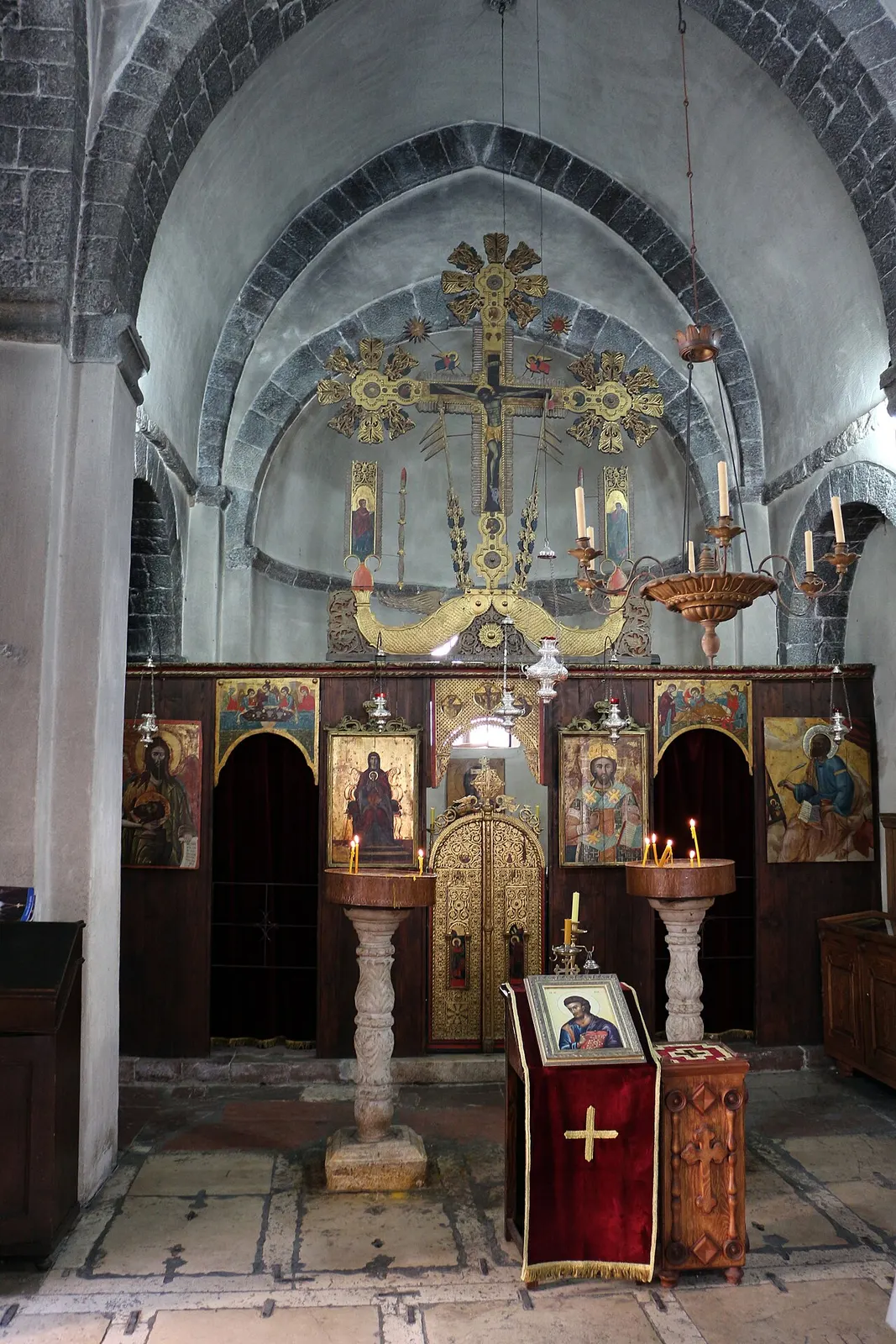
Today St Luke's belongs to the Serbian Orthodox community, but the memory of that double dedication is part of what makes it so moving to visit. In a region whose history is too often told as a story of division, here is a small stone building where two Christian traditions kept house together for generations. It is the kind of detail that turns a quick photo stop into a thoughtful five minutes.
Inside, look for the iconostasis and the icons that reflect the church's Orthodox present, set against the plainly Romanesque bones of the original Catholic building — the two layers visible at once, just as they are on the cathedral's facade a few squares away.
- Built Catholic in 1195; held both Catholic and Orthodox altars from the late 1600s for over two centuries.
- Now a Serbian Orthodox church — visit respectfully and follow any posted guidance.
- The blend of Romanesque structure and Orthodox furnishing is the whole point: look for both.
 St Nicholas's Church
The larger Orthodox church that shares St Luke's Square — an easy pairing.
 Kotor History Guide
The bay's overlapping faiths and rulers, for context on the shared altars.
Map pins
Map data © OpenStreetMap contributors · Tiles © OpenFreeMap
The floor of gravestones
One detail catches every attentive visitor: the floor. St Luke's is paved with old gravestones, the burial slabs of citizens laid to rest inside the church over the centuries, their inscriptions and carved emblems worn smooth by generations of feet. It was once a privilege to be buried within a church, close to the altar, and here that long tradition is literally underfoot.
It is a quietly affecting thing to stand on. The whole compressed history of the town — the families, the trades, the faith — is gathered into this one small floor, and walking it gives you a tangible sense of how many lives this little building has held. Tread gently and take a moment to read the stones; it is the kind of detail that stays with you longer than a grander church's gold.
St Luke's Square: a quiet corner
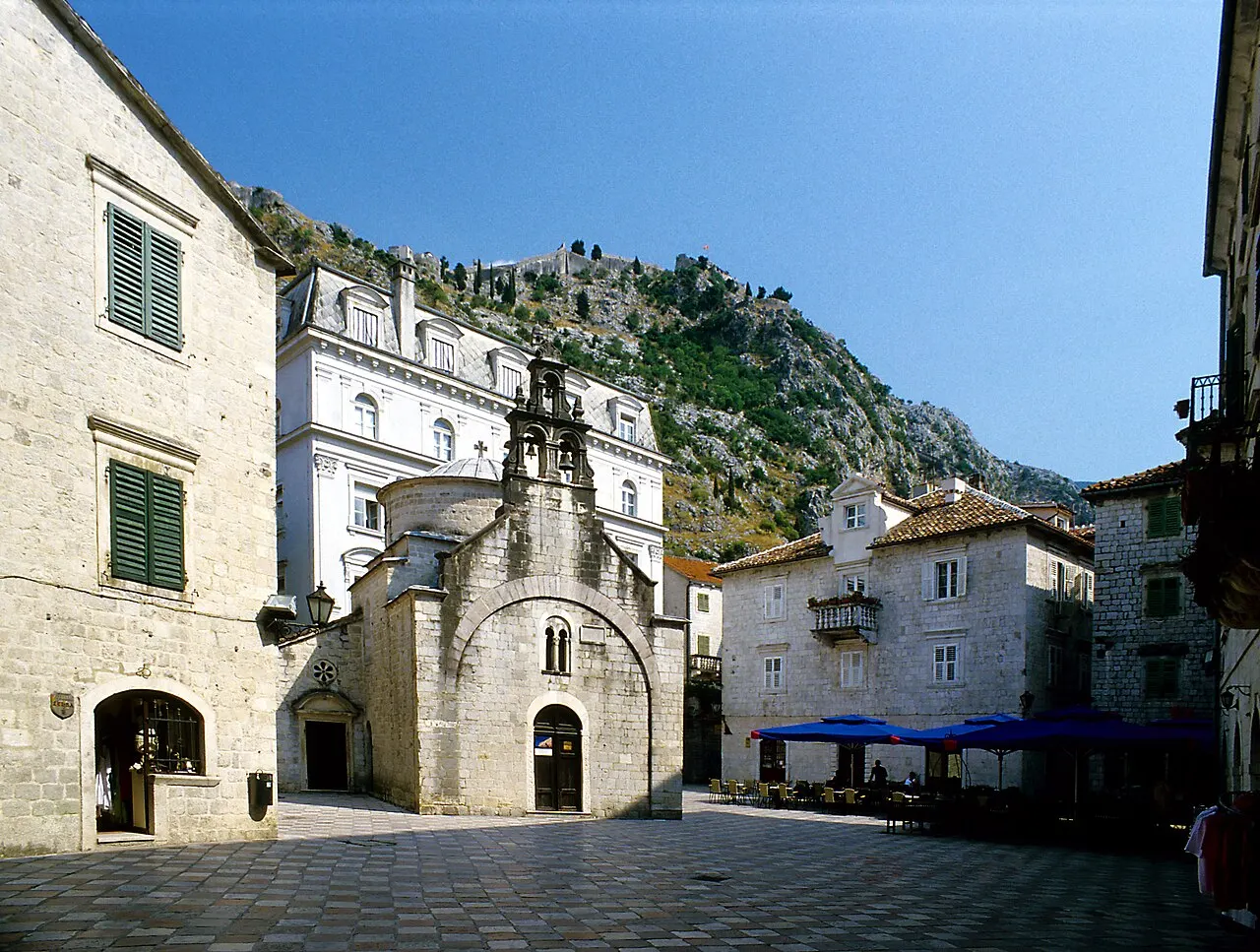
Part of the reward of St Luke's is its setting. The church gives its name to St Luke's Square (Trg Svetog Luke), one of the calmer, leafier spaces in the Old Town, set a little off the busiest tourist arteries. Sharing the square is the larger, blue-grey-domed St Nicholas's Church, so the two make a natural pair: the tiny, ancient St Luke's and its grand 20th-century Orthodox neighbour, a few steps apart.
Because it is off the main flow between the Sea Gate and the cathedral, the square tends to be quieter than the squares at the town's centre — a place to pause and let the crowds pass elsewhere. For couples and slow travellers, it is one of the loveliest corners to sit for a moment, with two churches' worth of history sharing a single patch of stone. Come in the early morning or the evening and you may have it almost to yourself.

Pairing St Luke's with the cathedral and the walls
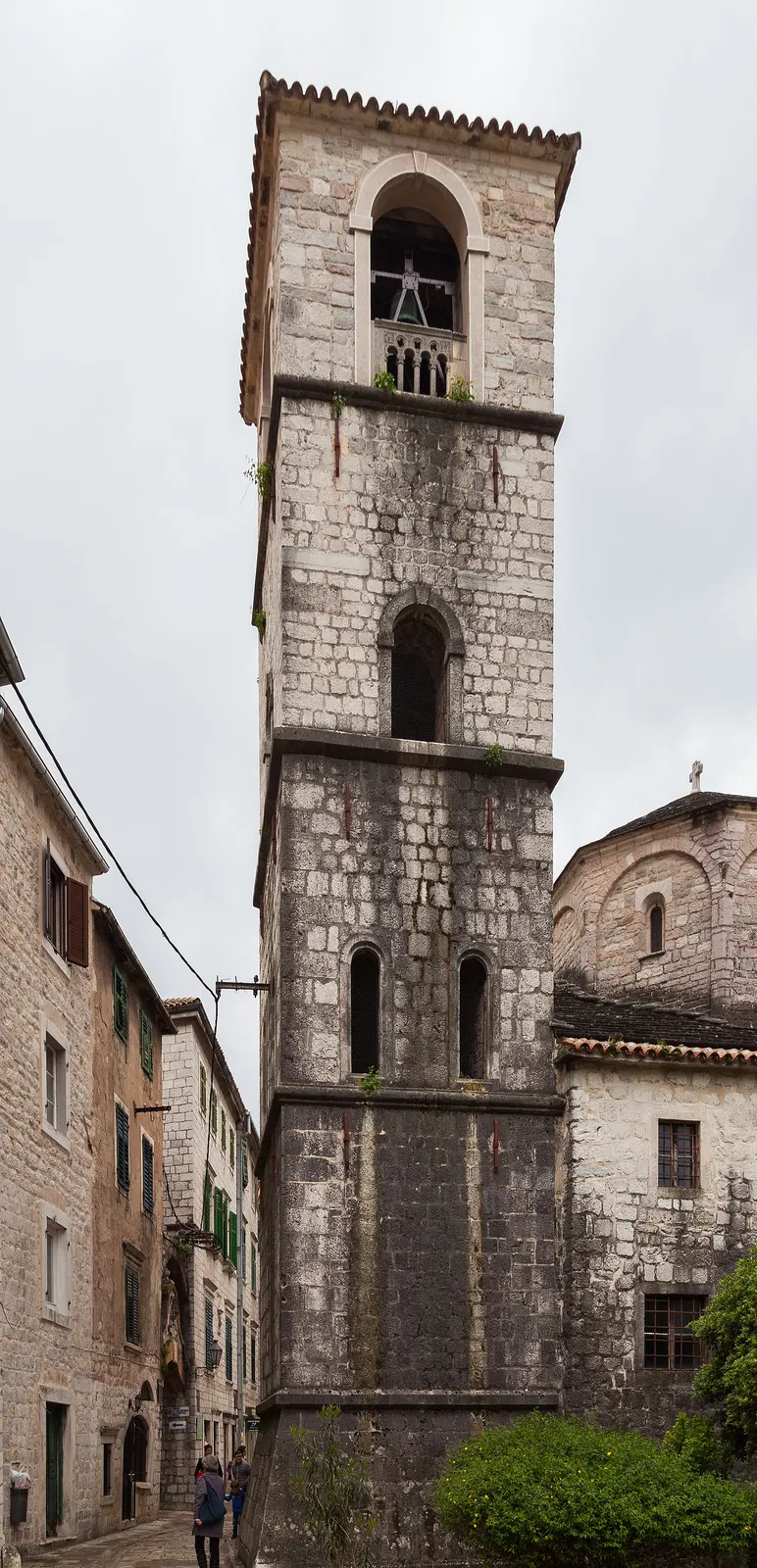
St Luke's makes most sense as one stop in a thread that ties the Old Town's sacred buildings together. A few minutes' walk away, St Tryphon's Cathedral offers the grand, gold-rich Catholic counterpoint to St Luke's plain little nave; next door on the same square, St Nicholas's gives you the Orthodox community's later, larger church. Visit the three in turn and you trace the whole religious story of Kotor — Catholic and Orthodox, medieval and modern, vast and tiny — in under an hour of gentle wandering.
For couples and unhurried travellers, this little circuit is one of the quietest, most rewarding ways to spend a morning inside the walls, well away from the cruise-day crush on the main squares. Start at the cathedral when it opens, drift to St Luke's Square for the two churches there, and you have seen the soul of the Old Town before most day-trippers have finished their first coffee. Save the walls climb for the cool of early morning or late afternoon and you have a full, satisfying day built around the town's quietest pleasures.

Visiting respectfully: practical notes
St Luke's is a small, active Orthodox church, so visit quietly and with respect. Dress modestly — covered shoulders and knees — keep your voice down, and step back if a service is underway. Photography may be restricted inside, particularly of the icons, so look for posted signs and follow any guidance. There is no grand ticketed visit here; it is a place to step in, take a hushed few minutes, and step out, often with a small donation box for the upkeep of the building.
Fit it into your Old Town wandering rather than making a special journey: it is a short walk from St Tryphon's Cathedral and an easy pair with St Nicholas's next door. Five or ten minutes inside is plenty to absorb the place — the gravestone floor, the icons, the sense of great age — and the contrast with the cathedral's scale makes both churches richer. Verify any opening hours on the day, as small churches keep their own quiet schedules.
- Dress modestly and keep quiet — it is a working Orthodox church.
- Photography of icons may be limited; check posted signs. A donation supports upkeep.
- Easiest as a short stop paired with St Nicholas's and the cathedral; verify hours on the day.
St Nicholas's Church, Kotor
A respectful visitor guide to Kotor's main Serbian Orthodox church: St Nicholas's (Sveti Nikola), the twin-towered early-20th-century church on St Luke's Square, its glowing icons and silverwork, and how to visit.
Read guideSt Tryphon Cathedral, Kotor
How to visit Kotor's landmark Romanesque cathedral, consecrated in 1166: the twin bell towers, the treasury and the relics of St Tryphon, the art, the square, and the Old Town heritage that surrounds it.
Read guide
Hidden Gems in Kotor
The quieter side of Kotor: the lesser-trodden squares and lanes inside the walls, small churches like St Luke and St Nicholas, the bay-shore corners of Dobrota and Prčanj, the Vrmac ridge views, and the low-crowd bay stops the day boats skip.
Read guideMore in Old Town
3Clock Tower & Arms Square, Kotor
The Clock Tower on Arms Square is the first thing you meet inside Kotor's Sea Gate — the Old Town's natural anchor for orientation, cafés, routes and meeting up. How to use it, what to see around it, and the leaning landmark's story.
Read guideKotor Sea Gate
Start your Old Town visit at the Sea Gate — Kotor's main western gate of 1555, opening from the waterfront onto Arms Square and the leaning clock tower. Where to find it from the cruise port, what to look for, and how to plan a route through the squares.
Read guideMaritime Museum of Montenegro, Kotor
Inside Kotor's Maritime Museum of Montenegro: the baroque Grgurina Palace, three floors of ships, captains' portraits, maps, weapons and Boka seafaring history — and why it is the Old Town's best rainy-day visit.
Read guide