
A Traveler's History of Kotor
A traveler-friendly primer on Kotor's history before you walk the town: Illyrian and Roman roots, Byzantine and Serbian rule, four centuries under Venice, the bay's seafaring fortunes, earthquakes, the world wars and UNESCO protection.

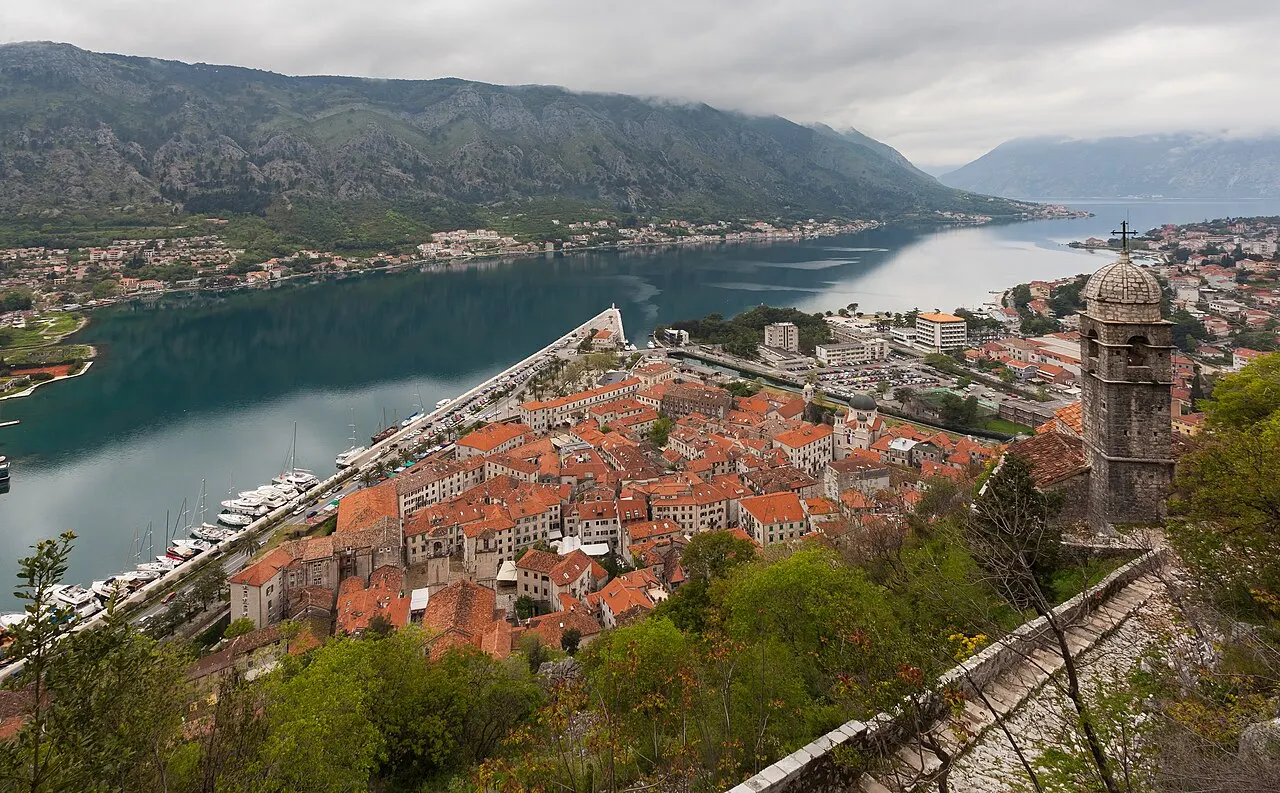
Photo: Fatih Beki / Unsplash
- ✓Kotor's story is older than its walls — settlement on the bay reaches back to Illyrian and Roman times, when the town was known as Acruvium or Ascrivium.
- ✓Four centuries of Venetian rule (1420–1797) gave Kotor its winged-lion gates, its baroque palaces and the look it still wears today.
- ✓The bay's wealth came from the sea: Kotor, Perast and Prčanj produced captains, navigators and a merchant fleet that punched far above the town's size.
- ✓Repeated earthquakes — most devastatingly in 1667 and 1979 — shaped what survives and explains the cathedral's mismatched towers.
- ✓Kotor's Old Town and the natural-and-cultural region of the bay have been UNESCO World Heritage since 1979.
Why a little history makes Kotor better
You do not need a degree to enjoy Kotor — but you will enjoy it more with a few centuries in your head. This is a town whose every square, gate and tower is a footnote to a long, layered story, and once you can read it, the Old Town stops being merely pretty and starts being legible. Why does a small place at the dead end of a fjord-like bay have a great cathedral, baroque palaces, a navy day and a famous sailing tradition? Why does the Lion of St Mark watch over the main gate? Why do the cathedral's two towers not match? The answers are all here, and they turn a stroll into a kind of time travel.
This is a primer, not a textbook: the broad arc and the bits that show up on the ground, told for travelers about to walk the lanes. Where dates and details matter we give them; where the record is genuinely disputed — as with the exact founding — we say so rather than invent certainty. Read this before your Old Town walk and the squares will speak to you; pair it with the Maritime Museum and you will understand the whole improbable rise of this bay.

Ancient roots: Illyrians and Romans
Long before the medieval walls, the bay was home to the Illyrians, the Iron Age peoples of the eastern Adriatic; their queen Teuta is said to have made nearby Risan, at the head of the bay, a stronghold in the 3rd century BC. When Rome absorbed the coast, a settlement on or near the site of modern Kotor appears in classical sources under the names Acruvium or Ascrivium. Risan, just around the bay, preserves the most tangible Roman trace in the region — a villa with remarkable floor mosaics, including a famous image of Hypnos, the god of sleep — well worth a short detour for anyone curious about this deep layer.
Kotor itself sat at a natural crossroads: the deepest, most defensible corner of a sheltered bay, with a freshwater spring, a river, and a mountain wall at its back. That geography — protection and a harbour in one — is the reason a town has stood here for well over two thousand years, and the reason its rulers, from Romans to Byzantines to Venetians, kept investing in its walls. Almost nothing of the Roman town is visible in the lanes today, but the location it chose is the foundation of everything that came after.

Map pins
Map data © OpenStreetMap contributors · Tiles © OpenFreeMap
Byzantium, the Serbian kingdom and the cathedral
After Rome, the bay passed into the orbit of Byzantium, and Christianity took deep root. The single most important date for a visitor to know is 1166: the year the Cathedral of St Tryphon was consecrated. St Tryphon had become the town's patron centuries earlier — tradition holds his relics were brought to Kotor in 809 — and the great Romanesque cathedral built to house them remains the spiritual and architectural heart of the Old Town. That a town this size raised so ambitious a church tells you how wealthy and important medieval Kotor already was.
Through the high Middle Ages Kotor flourished as a partly self-governing town, prosperous on trade between the Adriatic and the Balkan interior, and for a long stretch it fell under the powerful Serbian Nemanjić kingdom while keeping its own statutes and a strong Catholic identity alongside an Orthodox one. The little Church of St Luke, built in 1195 and later sharing Catholic and Orthodox altars under one roof, is the most touching survivor of this layered medieval faith. By the late Middle Ages, squeezed between rival powers and the rising Ottoman threat, Kotor sought a stronger protector — and found Venice.
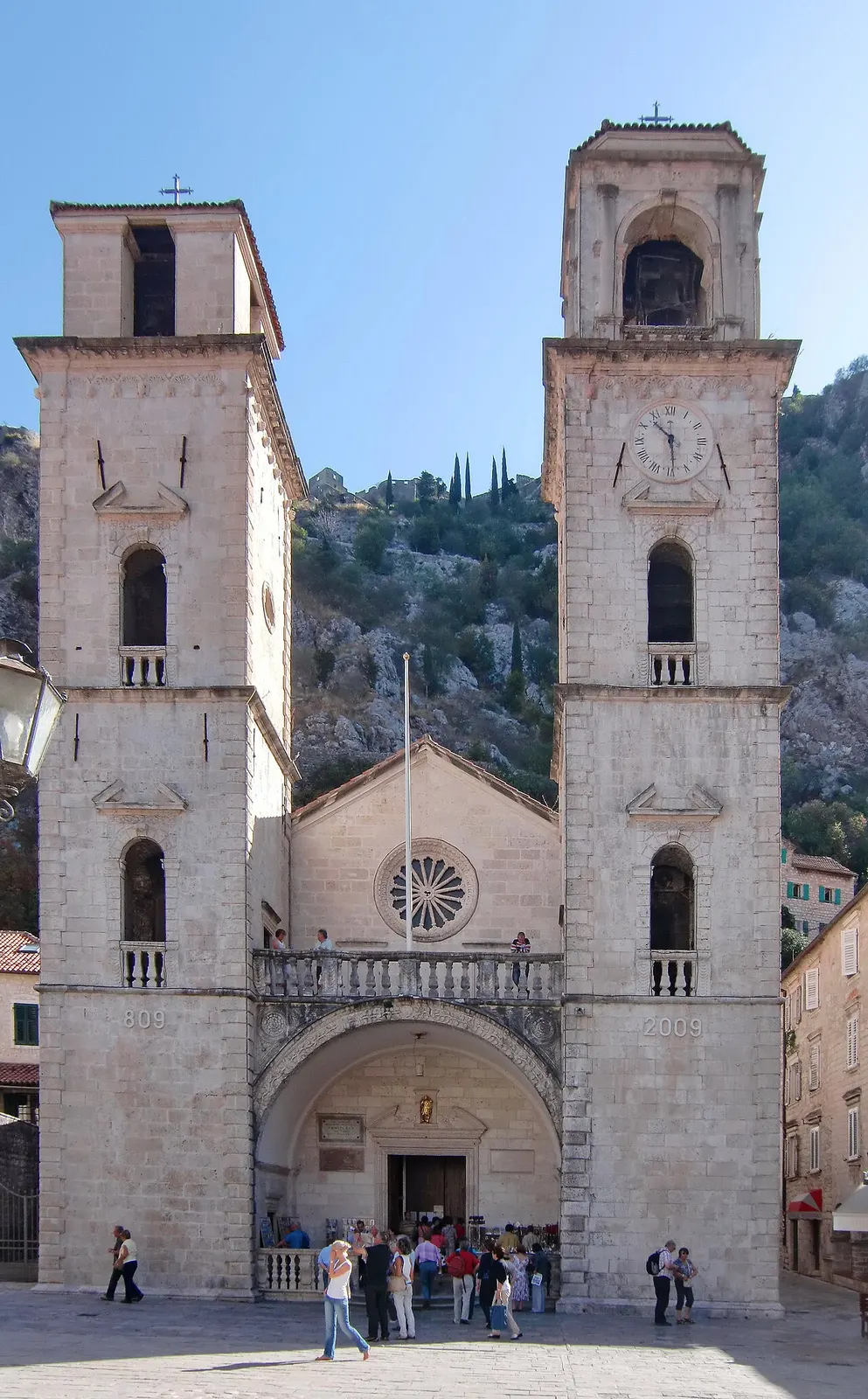
- 1166: St Tryphon Cathedral consecrated — the date to anchor the town's history on.
- Tradition dates the arrival of St Tryphon's relics to 809; he remains the city's patron.
- St Luke's (1195) preserves the town's mixed Catholic and Orthodox faith in one building.

Four centuries of Venice (1420–1797)
The era that shaped the Kotor you see began in 1420, when the town placed itself under the Republic of Venice, where it remained — as Cattaro — until the Republic fell in 1797. Nearly four centuries of Venetian rule gave the Old Town its enduring face: the Sea Gate and the other gates, much of the surviving wall system, the baroque palaces of the merchant families, and everywhere the carved winged Lion of St Mark, Venice's emblem, watching over arches and façades. When people call Kotor 'Venetian,' this is what they mean — not that Venetians built it from scratch, but that Venice's long stewardship set its style.
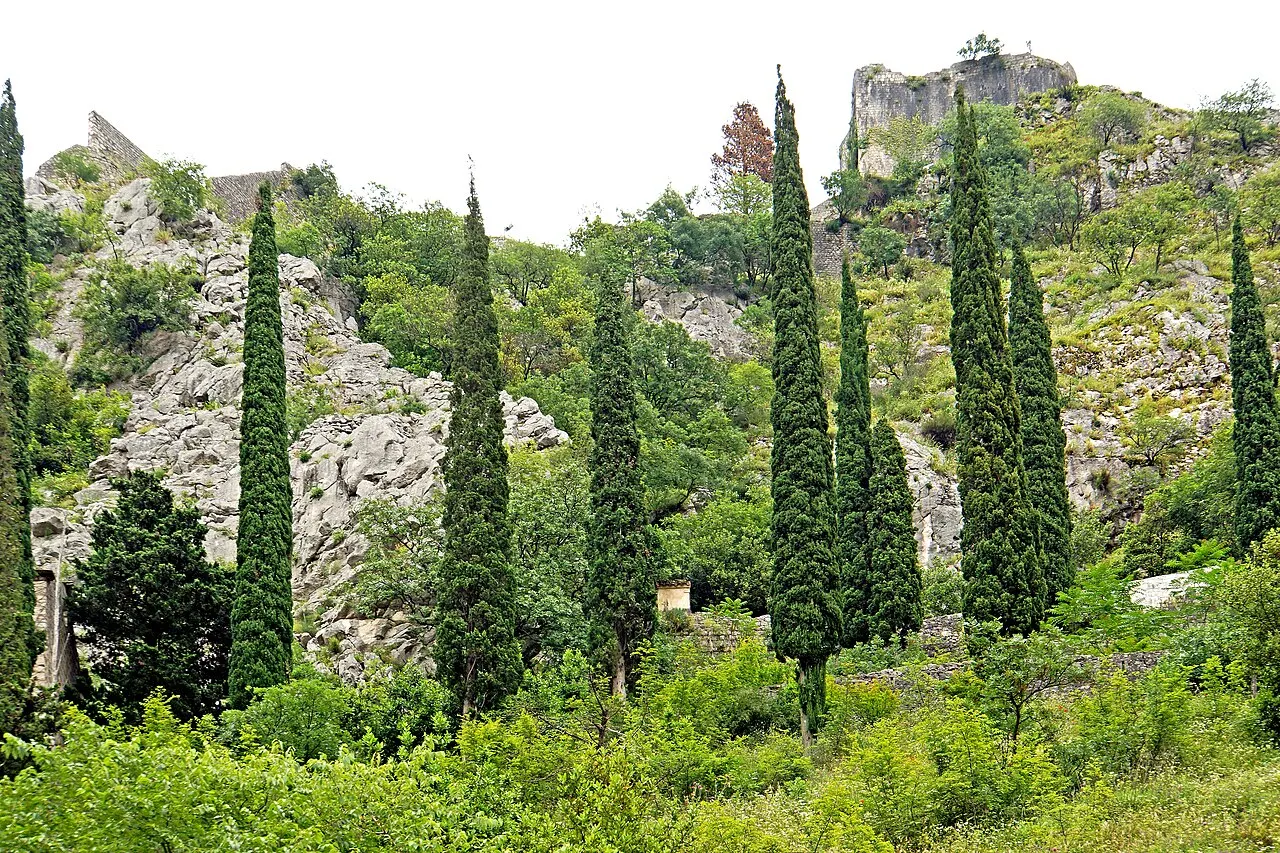
Venetian Cattaro was a frontier fortress as much as a trading town, the Republic's bulwark against the Ottoman Empire pressing in from the land. The famous walls climbing the cliff to St John Fortress are largely a product of this defensive imperative, expanded and reinforced over the centuries; the Ottomans besieged the town more than once but never took the walled core. To stand at the Sea Gate, look up at the Lion, and then up again at the ramparts on the cliff is to read the whole Venetian story in a single glance — commerce, faith and defence, all in stone.

The bay of captains: a seafaring golden age
Kotor's deepest character comes not from its rulers but from the sea. Through the Venetian centuries and beyond, the towns of the inner bay — Kotor, and above all Perast and Prčanj — became improbable maritime powers, producing skilled captains, navigators and a merchant fleet that traded across the Mediterranean and beyond. Perast ran a famous naval school; its captains served foreign navies, including the Russian, and brought home the fortunes that built the baroque palaces strung along its waterfront. The Boka Navy (Bokeljska mornarica), a seafarers' guild and brotherhood whose roots are traced back many centuries, still survives as a ceremonial and cultural institution, and its traditional dress and dance appear on feast days.
This is the history the Maritime Museum exists to tell, and it is the key that unlocks the rest of the bay. It explains why a tiny place like Perast has palaces and two island churches; why Our Lady of the Rocks, the man-made islet, was raised over centuries on the hulls of scuttled ships and the votive stones of returning sailors; and why the bay celebrates a navy day of its own. Once you grasp that this was a society built on the sea, every waterfront town and every captain's house starts to make sense.
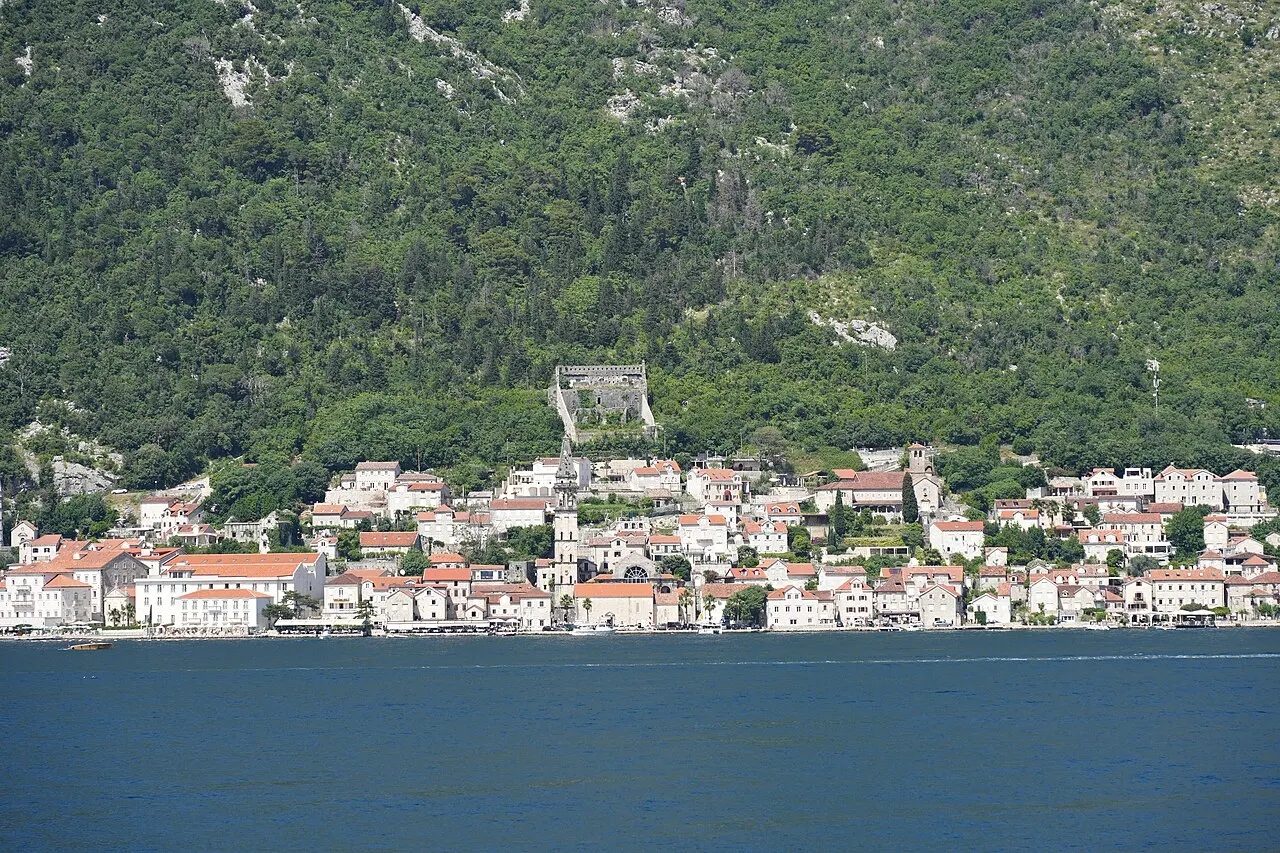
- Perast and Prčanj produced captains and navigators who served far beyond the bay.
- The Boka Navy survives as a ceremonial brotherhood with its own traditions and dress.
- Our Lady of the Rocks was built up over centuries by sailors' votive stones — the seafaring story made solid.

Earthquakes, empires and the modern era
Two forces repeatedly reshaped Kotor: earthquakes and changing empires. The bay sits on an active fault, and major quakes — devastatingly in 1667, and again in 1979 — have toppled and rebuilt parts of the town more than once. This is the reason the cathedral's two towers do not match: they were reconstructed after damage at different times. The 1979 earthquake struck the whole Montenegrin coast hard, and the long restoration that followed is part of why UNESCO listing came when it did.
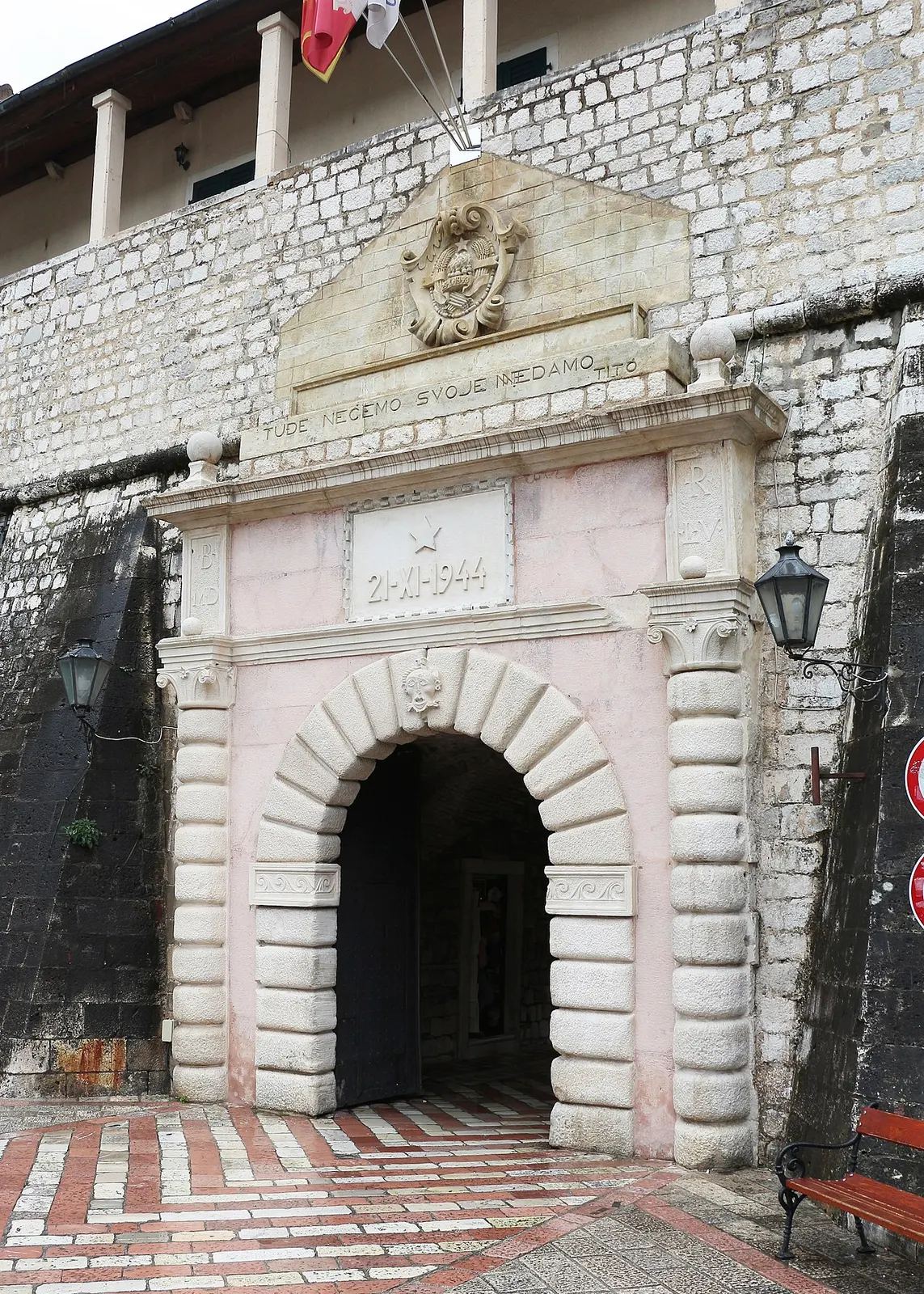
Politically, the fall of Venice in 1797 began a fast-changing modern era. The town passed briefly through Napoleonic and Russian hands, then to the Habsburg Austrian Empire, which held it (as part of Dalmatia) through the 19th century and the First World War, leaving its own fortifications on the surrounding heights. After 1918 it became part of Yugoslavia; the Sea Gate carries an inscription marking the town's liberation in 1944. Since 2006 it has been part of independent Montenegro. Each of these regimes left a trace — Austrian forts on the ridges, a Yugoslav-era inscription over the gate — that you can spot once you know to look.
UNESCO, and reading the town today
In 1979 — the same year as the great earthquake — the Natural and Culturo-Historical Region of Kotor was inscribed on the UNESCO World Heritage List, recognising both the medieval town and the extraordinary bay around it. For a stretch the site was also listed as World Heritage in Danger because of the earthquake damage, before careful restoration brought it back. That status is why the Old Town has been protected, studied and lovingly maintained as a living place rather than a museum piece, and why your visit comes with a gentle responsibility to tread lightly.
So walk it with all this in mind. The Lion over the gate is Venice; the mismatched cathedral towers are the earthquakes; the palaces are the captains' fortunes; the forts on the heights are Austria; the inscription over the gate is Yugoslavia; the cats and the lamplit calm are simply Kotor being itself. None of it is set dressing — it is two and a half thousand years of a small town surviving, trading, praying and putting to sea, all compressed into a place you can cross in ten minutes. That is the real reason it rewards a slow visit, and the best argument for learning a little of its story before you arrive.
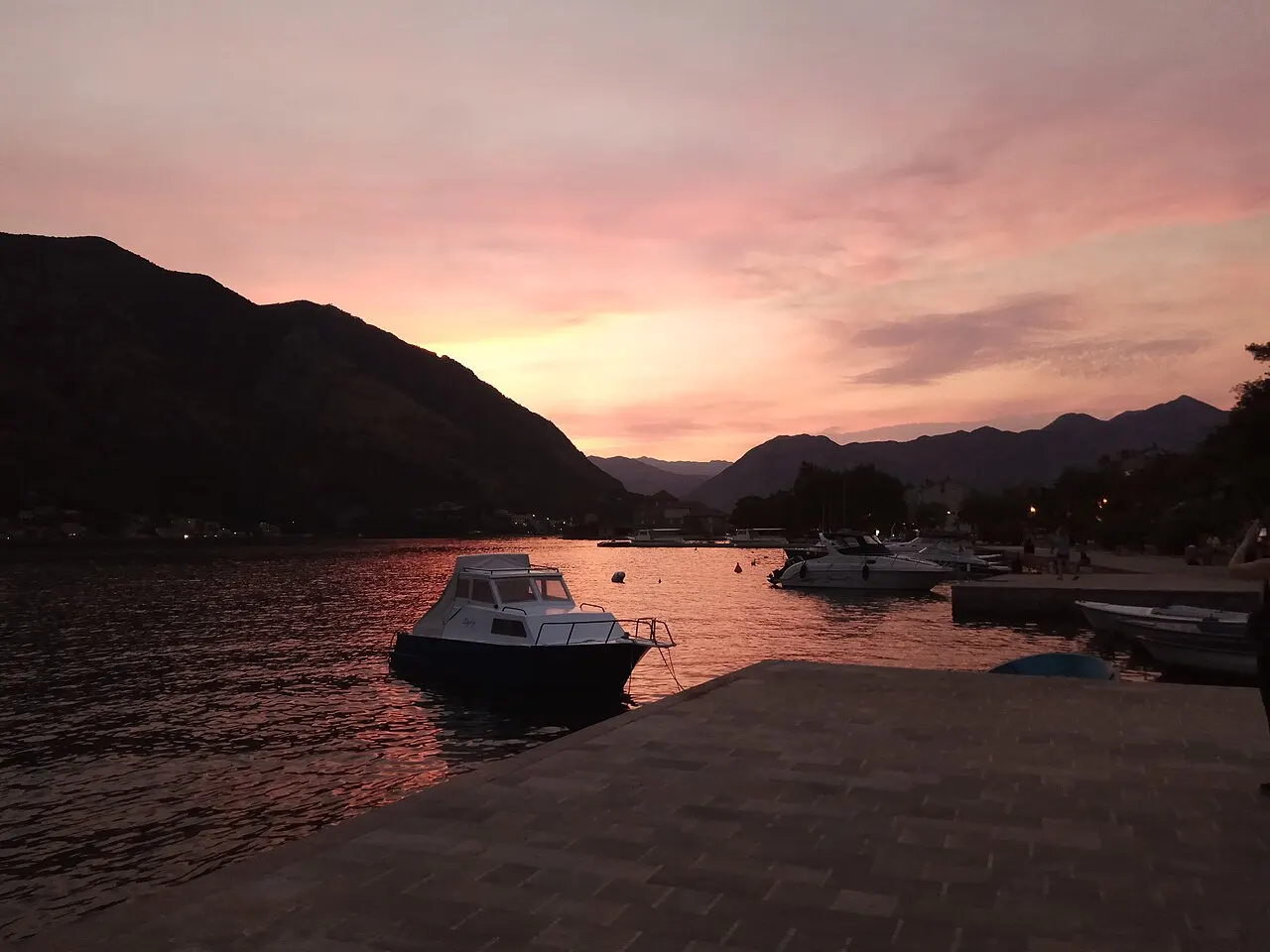
- Listed as UNESCO World Heritage in 1979 — both the town and the wider bay region.
- It was briefly on the danger list after the 1979 earthquake, then restored.
- Tread lightly: it is a living, protected town, not a stage set.


Maritime Museum of Montenegro, Kotor
Inside Kotor's Maritime Museum of Montenegro: the baroque Grgurina Palace, three floors of ships, captains' portraits, maps, weapons and Boka seafaring history — and why it is the Old Town's best rainy-day visit.
Read guide
St Tryphon Cathedral, Kotor
How to visit Kotor's landmark Romanesque cathedral, consecrated in 1166: the twin bell towers, the treasury and the relics of St Tryphon, the art, the square, and the Old Town heritage that surrounds it.
Read guide
Boka Navy Traditions in Kotor
A guide to the Boka Navy (Bokeljska Mornarica) of Kotor — one of the world's oldest maritime confraternities, its ties to St Tryphon and the 3 February feast, the ceremonial kolo round dance before the cathedral, and the gold-braided historic uniforms, plus how to witness it and where it fits in a Kotor stay.
Read guide