
Risan Guide
A guide to Risan, the oldest town on the Bay of Kotor: its Roman floor mosaics and the famous Hypnos mosaic, its Illyrian and Roman past, the quieter bay stays, the access trade-offs and how it fits a Kotor trip.

Photo: Sarolta Balog-Major / Unsplash
- ✓Risan is the oldest settlement on the Bay of Kotor, on the northern shore beyond Perast, with a history reaching back to the Illyrians and an Illyrian-Roman past that long predates Kotor's medieval Old Town.
- ✓Its headline sight is the Roman floor mosaics (Villa Romana) — a preserved ancient villa whose finest panel shows Hypnos, the god of sleep, a rare and celebrated depiction.
- ✓It carries the legend of the Illyrian queen Teuta, said to have made her last stand in this corner of the bay.
- ✓Today it is a quiet, workaday bayfront town rather than a tourist showpiece — calmer and less polished than Perast or Kotor, with everyday prices.
- ✓It suits travellers drawn to history and quiet, and those happy to drive: it is a comfortable day trip from Kotor and a low-key, budget-leaning place to stay.
- ✓Staying here means a far-shore-of-the-action base — confirm the access trade-offs and parking, and treat museum hours as a verify-before-you-go matter.
Where Risan is, and why it matters
Risan sits on the northern shore of the Bay of Kotor, around the water beyond Perast and the Verige strait, in the bay's quieter, less-trafficked reaches. It is easy to drive past — a low, ordinary-looking bayfront town with none of Perast's baroque drama or Kotor's walls — but Risan holds a claim none of them can match: it is the oldest settlement on the bay, and one of the oldest in the region. Long before Kotor's cathedral or Perast's captains' palaces, this was an important Illyrian town and later a Roman one, and the whole bay (the Boka) is sometimes said to take an echo of its name from ancient Rhizon, as Risan was once known.
That depth of history is the reason to seek Risan out. Where the rest of the bay tells a medieval and baroque story, Risan reaches back to antiquity, and it wears that past quietly. For a traveller, it offers a different kind of pleasure: not the photogenic crush of the headline towns, but a calm, real, lived-in place where you can stand on the floor of a Roman villa, picture an Illyrian queen's last stand, and have the bay largely to yourself. It rewards the curious over the crowd-followers — which is exactly its appeal.
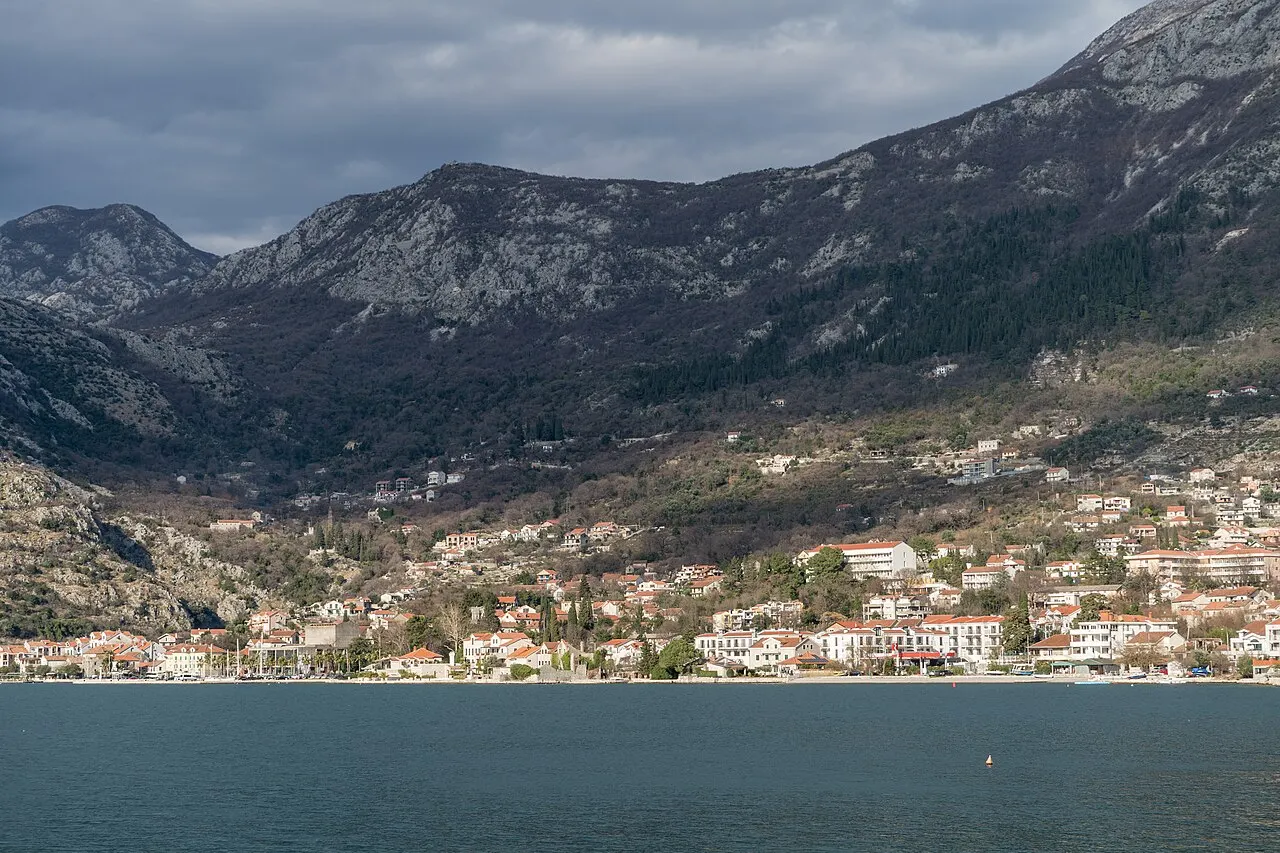

The Roman mosaics and the sleeping god
Risan's one unmissable sight is its Roman floor mosaics. Set in a low, sheltered enclosure on the edge of town, they are the preserved floors of a Roman villa (often signposted as the Villa Romana or Roman mosaics) dating from around the second century, and they are remarkably intact: geometric patterns, floral borders and figurative panels laid in tiny stones, all still in their original place rather than carted off to a distant museum. To walk the raised path above them is to stand in a Roman house at the head of the bay, with the same water and mountains outside that its owners would have known.
The star of the floors — and the reason scholars and travellers make the trip — is the mosaic of Hypnos, the Greek god of sleep, shown reclining with his wings. It is a rare and beautiful depiction, often described as the only one of its kind in the region, and a genuinely special thing to come upon in so quiet a corner. The site is modest and easily seen in well under an hour, which makes it a perfect pairing with a wider bay day. Opening hours and the entry fee shift with the season, and the site can keep limited or seasonal times, so verify current details before you build a visit around them rather than turning up on spec.
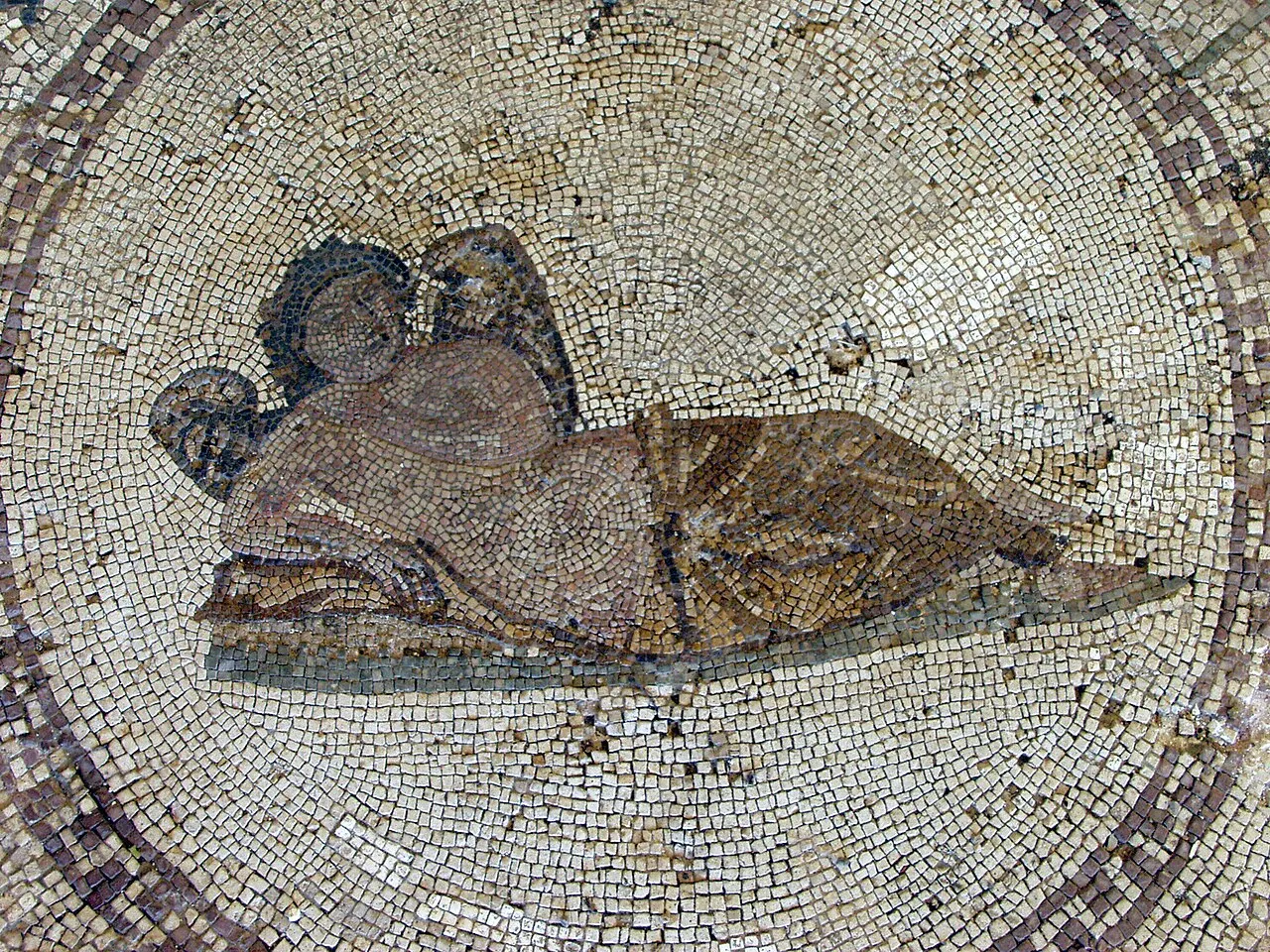
- The Roman floor mosaics (Villa Romana) are preserved in place, dating from around the 2nd century.
- The famous panel shows Hypnos, the god of sleep — a rare, celebrated depiction said to be unique in the region.
- Modest and quick to see — well under an hour — and ideal paired with a wider bay day.
- Opening hours and the fee are seasonal and can be limited — verify before you go.
 Kotor History Guide
How Risan's antiquity fits the bay's long story, from Illyrians to Venice.
 Kotor Museums & Sights
The bay's wider heritage, from Risan's mosaics to the Old Town's churches and collections.
Map pins
Map data © OpenStreetMap contributors · Tiles © OpenFreeMap
Illyrians, Queen Teuta and ancient Rhizon
Risan's history is older than its mosaics. As ancient Rhizon it was a stronghold of the Illyrians, the seafaring peoples who held this coast before Rome, and it is woven into one of the region's most enduring stories: that of Queen Teuta, the Illyrian queen whose piracy against Roman shipping helped trigger Rome's wars in Illyria. Legend places her last stand in this very corner of the bay, and whether you take the tale as history or as half-myth, it gives Risan a romance the guidebooks of the prettier towns cannot borrow. You are standing where antiquity met the Mediterranean's great power, at the deepest, most defensible reach of the bay.
Traces of that older world survive around the town beyond the mosaics — fragments of ancient and later fortification, and the simple fact of the site's continuous settlement across millennia. Risan is not a place that packages its past into a single ticketed trail; rather, the history is in the air and underfoot, and a little reading before you come repays itself many times over. For travellers who like their destinations to carry weight, Risan's quiet antiquity is its real draw — and the perfect counterpoint to the bay's medieval and baroque headliners.
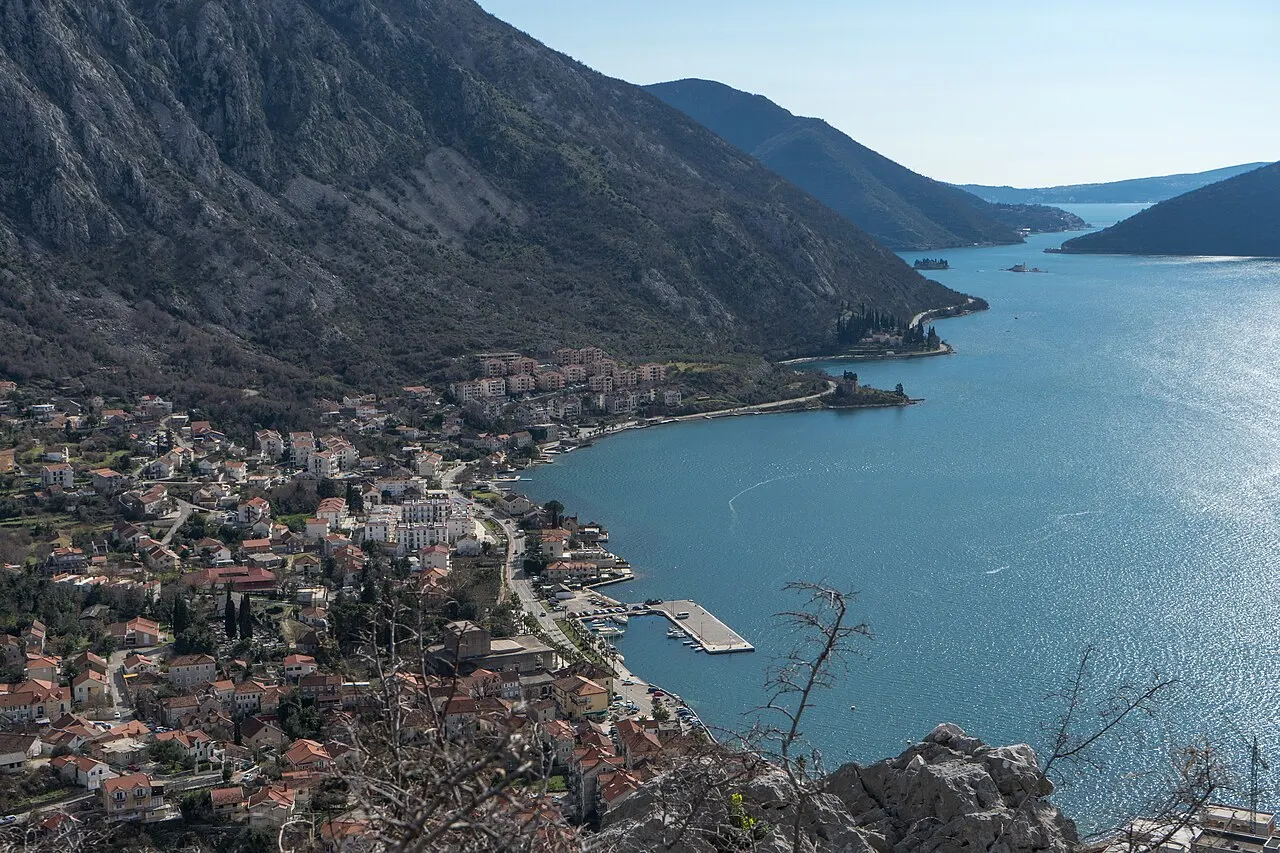

Staying in Risan: who it suits, and the trade-offs
As a base, Risan is for travellers who value quiet, history and value-for-money over being in the thick of things. It is a workaday bayfront town rather than a polished resort, which means everyday prices, a calm local atmosphere, and stays — mostly apartments and guesthouses, with the occasional small hotel — that tend to sit at the gentler end of the bay's range. If you want a peaceful, low-cost base from which to explore the whole Boka by car, and you are not chasing nightlife or a wall of restaurants, Risan can be a smart, under-the-radar choice. It also puts you within easy reach of Perast and the northern bay, and on the road toward Herceg Novi and the bay mouth.
The trade-off is distance from the headline action. Risan is well around the water from Kotor's Old Town — a moderate drive rather than a short one — so you are not popping into the medieval lanes for a casual dinner. The dining and shopping in the town itself are limited and local, so most people staying here keep a kitchen and drive to Perast, Kotor or Herceg Novi when they want more choice. And while there is a sheltered, quiet waterfront, this is not a swimming-resort shore in the way Dobrota or the western villages are; treat a Risan base as a calm, historical, budget-leaning hub for touring rather than a beach holiday.
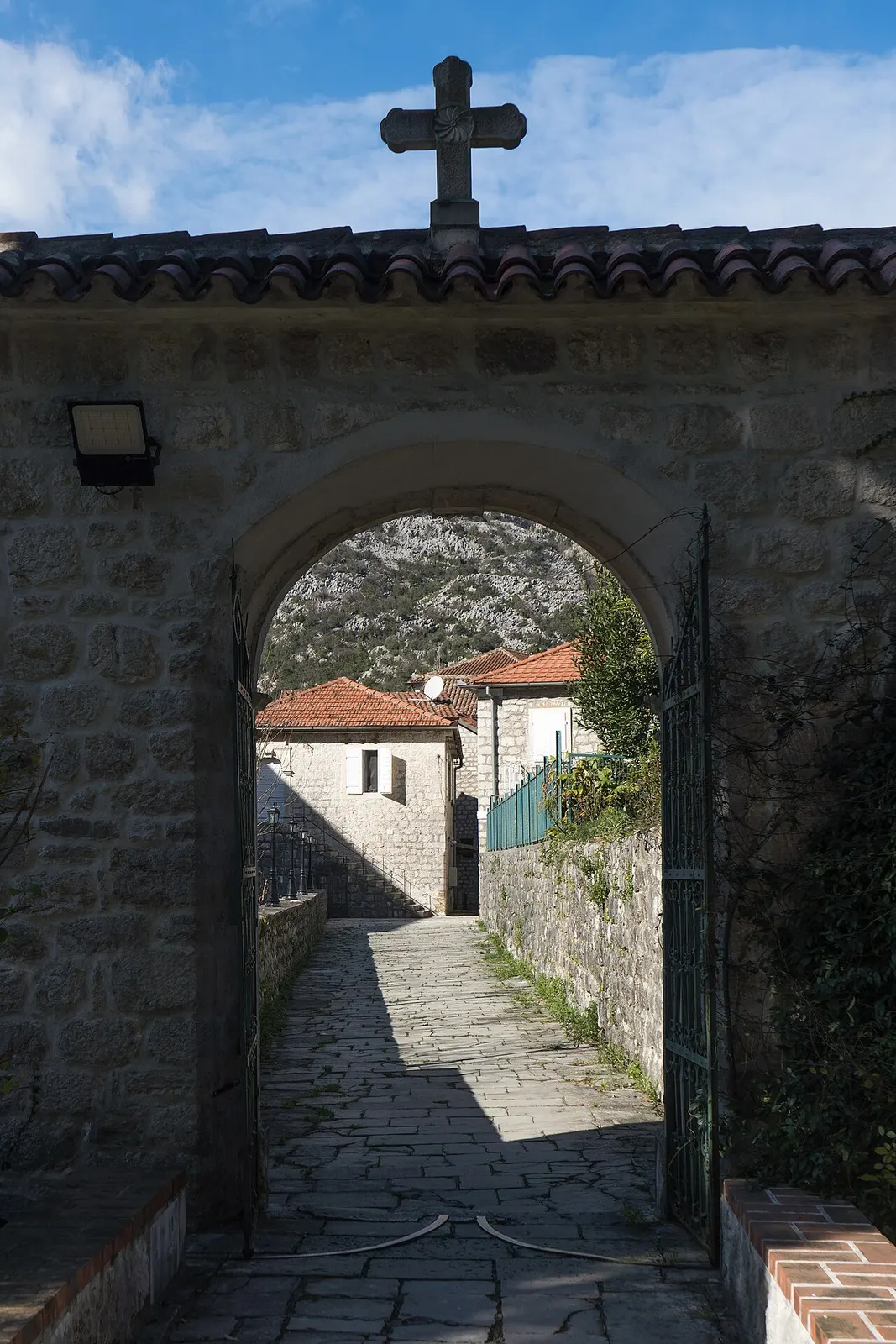
- Best for: history-minded travellers, quiet-seekers and budget-conscious tourers with a car.
- Mostly apartments and guesthouses at the gentler end of the bay's price range; everyday local prices.
- Handy for Perast, the northern bay and the road toward Herceg Novi and the bay mouth.
- Limited local dining and shopping — keep a kitchen and drive out for more choice.
- A calm touring hub, not a swimming-resort or nightlife base.
How Risan fits a Kotor trip
For most visitors, Risan works best not as a base but as a stop — and a genuinely rewarding one. The classic move is to fold it into a northern-bay day from Kotor: drive or take the bus along the bay road, pause in Perast for the waterfront and the boat to Our Lady of the Rocks, then continue around the water to Risan for the Roman mosaics and a quiet lunch, with the deep northern bay as a backdrop the whole way. The two towns complement each other perfectly — Perast's baroque seafaring story and Risan's antiquity — and together they make a fuller, more thoughtful day than either alone.
Risan also sits naturally on a longer western-bay loop. Heading on past it brings you toward Herceg Novi, the historic fortified town near the bay mouth, and to the Kamenari-Lepetane ferry that crosses the narrows toward Tivat and the inner bay; this makes Risan a logical waypoint on a day that circles the whole Boka or runs on toward Croatia. However you weave it in, treat Risan as the quiet, historical heart of the trip rather than its showpiece — and time your mosaics visit around the site's seasonal hours.
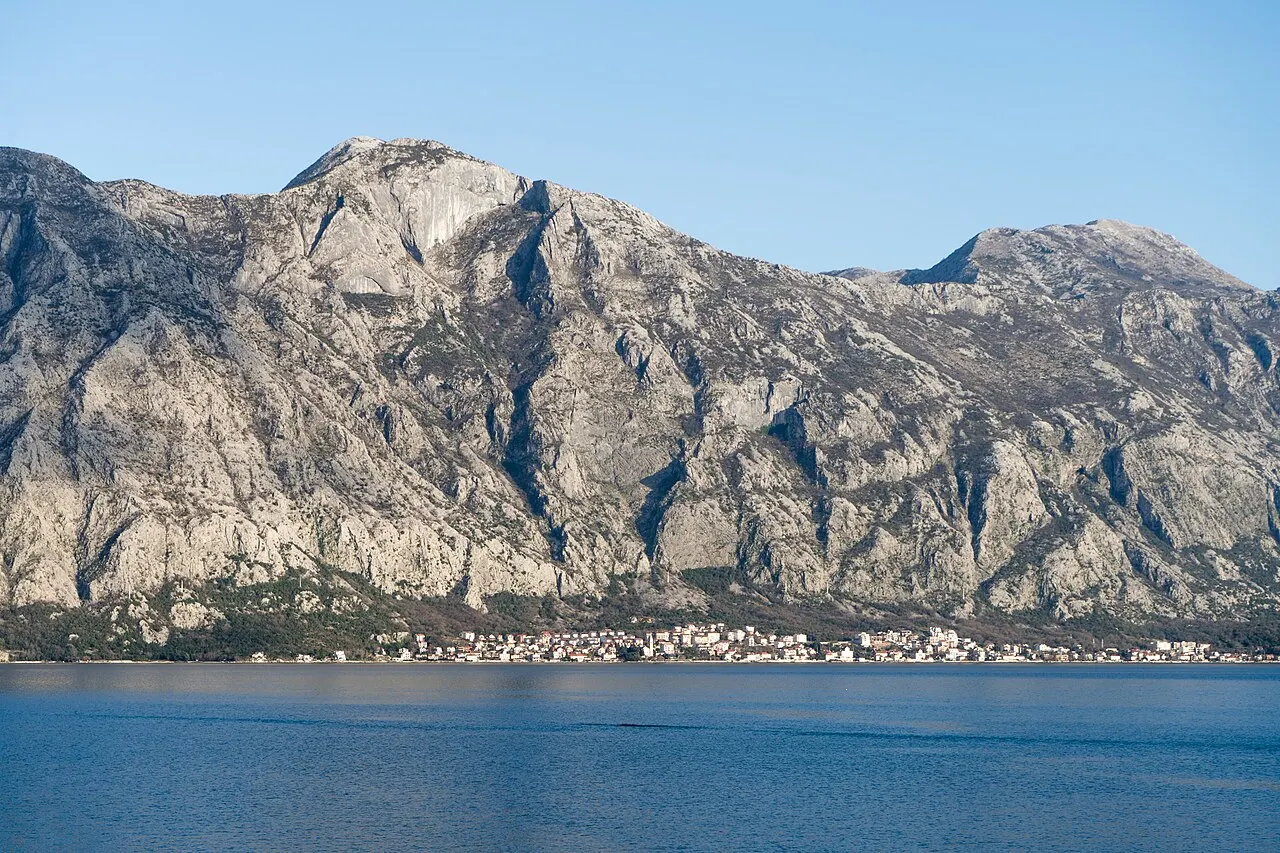
- Best as a stop on a northern-bay day: pair Risan's mosaics with Perast and Our Lady of the Rocks.
- A logical waypoint on a wider loop toward Herceg Novi and the Kamenari-Lepetane ferry.
- Reachable from Kotor by car, taxi or the bay-road bus toward Risan and beyond.
- Time the mosaics around the site's seasonal opening hours — verify before you set out.
Practicalities and getting there
Risan is reached by the bay road that runs around the northern shore from Kotor via Perast; by car or taxi it is a moderate drive, and the regular Kotor-Risan buses run the same route and stop in the town, so you can reach the mosaics without your own wheels — though, as ever in the bay, services thin out in the evening, so check return times if you are relying on the bus. The town is on the same road that continues toward Herceg Novi and the bay mouth, which makes it easy to fold into a bigger driving day around the Boka.
Parking is straightforward and far easier than at Kotor's car-free Old Town — Risan is an ordinary working town, not a pedestrianised showpiece — though, as everywhere on the bay, the older lanes can be narrow, so park sensibly near the waterfront or the mosaics site. A few evergreen notes to finish: Montenegro uses the euro, cards are widely taken but cash is handy for small cafés and any entry fee; the bay is loveliest in spring and autumn and hot at the height of summer; and Kotor and the bay are among Europe's rainier places in winter, so pack for showers off-season. As always, we keep the volatile details — mosaics hours and fee, exact bus times, room rates and restaurant prices — out of the prose; verify them before you go.
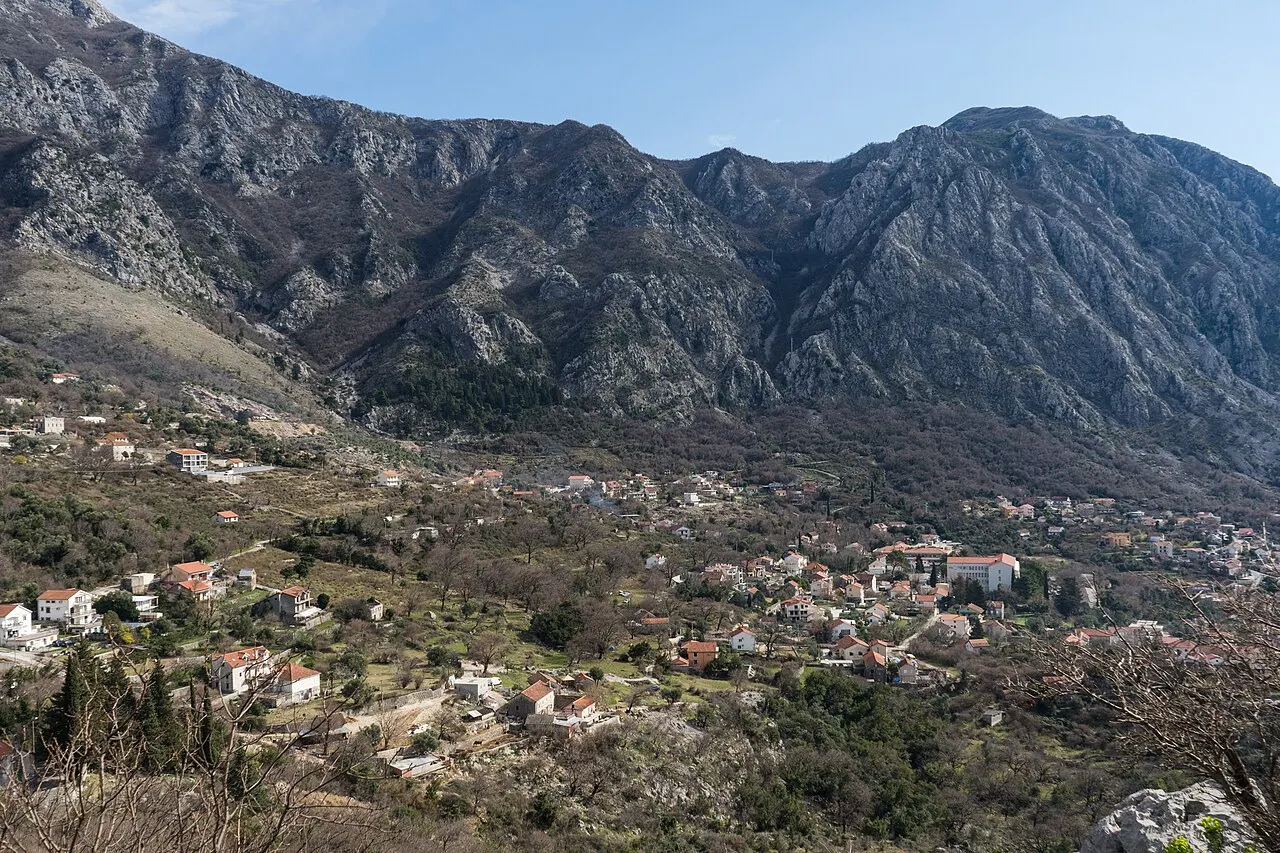
- Reach it by the bay road from Kotor via Perast — by car, taxi or the Kotor-Risan bus.
- On the route toward Herceg Novi and the bay mouth — easy to fold into a bigger day.
- Parking is straightforward (no car-free walls here), but the older lanes are narrow.
- Euro currency; carry some cash for cafés and the entry fee. Spring and autumn are best; pack for rain in winter.
Risan at a glance
Use this quick card to size up Risan. The history, the mosaics, the access pattern and the quiet character are evergreen; the volatile details — the mosaics' opening hours and fee, exact bus times, room rates and restaurant prices — change with the season, so verify them directly before you build a visit or a stay around them.
- What it is: the oldest town on the Bay of Kotor, on the quiet northern shore beyond Perast.
- Don't miss: the Roman floor mosaics (Villa Romana) and the famous Hypnos, god of sleep, panel.
- History: ancient Illyrian Rhizon, the legend of Queen Teuta, and a Roman past older than medieval Kotor.
- Best as: a stop on a northern-bay day paired with Perast — or a quiet, budget-leaning touring base.
- Access: a moderate drive, taxi or bay-road bus from Kotor; well around the water from the Old Town.
- Parking: straightforward (no car-free walls), but older lanes are narrow.
- Character: a calm, workaday bayfront town with everyday prices — not a resort or nightlife base.
- Verify directly: mosaics hours and fee, bus times, room rates and restaurant prices.

Bay of Kotor
How to explore the Bay of Kotor: the shape of the Boka's four linked basins, and the five ways to experience it — by boat, by bus, by car, on the waterfront on foot, and from a viewpoint above.
Read guide
Herceg Novi Day Trip from Kotor
How to do Herceg Novi as a day trip from Kotor: the drive with the Kamenari–Lepetane ferry shortcut, the stepped Old Town and its fortresses, the long seafront promenade and beaches, and when Herceg Novi beats Budva.
Read guide
Hidden Gems in Kotor
The quieter side of Kotor: the lesser-trodden squares and lanes inside the walls, small churches like St Luke and St Nicholas, the bay-shore corners of Dobrota and Prčanj, the Vrmac ridge views, and the low-crowd bay stops the day boats skip.
Read guideMore in Where to Stay
6
Accessible Hotels & Stays in Kotor
Where to stay in Kotor for step-free access: why the cobbled, stepped, car-free Old Town is the hardest base for limited mobility, the flatter bay alternatives like Dobrota and the modern wider-bay hotels, and the access questions to ask before you book.
Read guide
Best apartments in Kotor
How apartment stays work around the Bay of Kotor: why they're the dominant choice here, what a kitchen and space buy you, where to find them by area, and the practical realities — stairs, parking, air-con, bay views and self check-in — to weigh before you book.
Read guide
Best boutique hotels in Kotor
How to find Kotor's most atmospheric boutique stays: restored stone palaces and captains' houses inside the Old Town walls, along the Dobrota and Muo–Prčanj shore, and in baroque Perast — and how to choose by atmosphere, noise, stairs and view.
Read guide
Best budget hotels in Kotor
How to stay cheaply around the Bay of Kotor without losing your days to buses, parking or steep walks: where the value is, what budget looks like here, the shoulder-season and cruise-day pricing tricks, and the hidden costs to weigh before you book.
Read guide
Best family hotels in Kotor
Where families should stay around the Bay of Kotor: why the car-free Old Town is rarely the best base, the calmer bayfront bases that give space, parking, pools and swimming, and the practicalities — kitchens, prams, deep water — that matter most with kids.
Read guide
Best Hotels in Kotor by Area
A practical framework for choosing where to stay around the Bay of Kotor — matching the Old Town, Dobrota, Muo and Prčanj, Perast and Tivat to first-timers, couples, families, drivers, luxury travellers and cruise extensions, with the booking checks that matter.
Read guide