
Sailing in the Bay of Kotor
What sailing the Bay of Kotor is really like: the sheltered fjord-like water, the katabatic winds off the mountains, the marinas at Kotor and Tivat, and a slow route from the bay's head out toward the open Adriatic.

- ✓The Boka Kotorska is a flooded river canyon — about 28 km of sheltered, nearly enclosed water in four linked basins, ringed by mountains that rise straight from the sea.
- ✓It is one of the loveliest places to sail in the Mediterranean precisely because it is so protected: glassy mornings, dramatic backdrops, and short hops between anchorages.
- ✓Wind in the bay is fickle and mountain-driven — long calms broken by sudden katabatic gusts down the slopes — so most boats motor as much as they sail inside the Boka.
- ✓Bases are Kotor's small town quay at the head of the bay, the big modern marina at Porto Montenegro in Tivat, and quieter moorings off Perast and Risan.
- ✓Sailing suits slow travellers and couples who want the bay on their own clock — verify charter terms, marina berths and the day's forecast before you commit.
Why the Boka is made for sailing slowly
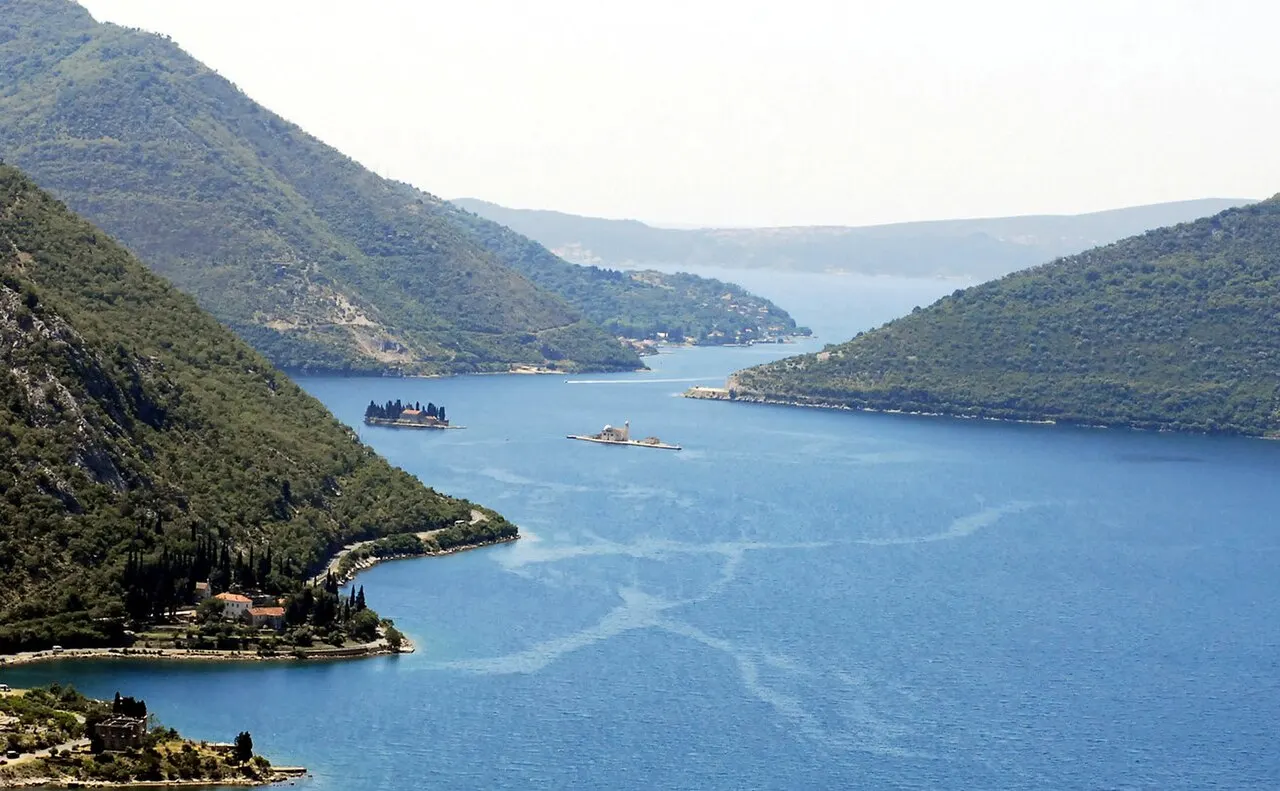
The Bay of Kotor is often sold as Europe's southernmost fjord. Geologically it is a ria — a drowned river canyon rather than a glacial one — but the feeling under sail is the same: deep, dark, almost completely enclosed water with limestone walls climbing straight out of it. From the deck of a small boat the bay reveals itself the way it was built to be read, basin by basin, with the captains' towns of Perast and Prčanj sliding past, the two islets off Perast, and the tight pinch of the Verige strait, where defensive chains were once strung across the narrows.
This is not bluewater sailing and it is not meant to be. The joy of the Boka is the opposite — short, sheltered, unhurried passages between anchorages that are never far apart, with somewhere beautiful to drop the hook or tie up at the end of every leg. You can be swimming off a quiet cove below the Vrmac ridge by mid-morning, lunching at a Perast quay, and back under the lit walls of Kotor by dusk, all without ever leaving calm water. For couples and slow travellers, that is the whole appeal: the bay on your own clock, with the day-tour traffic gone home.


What the wind and water actually do here
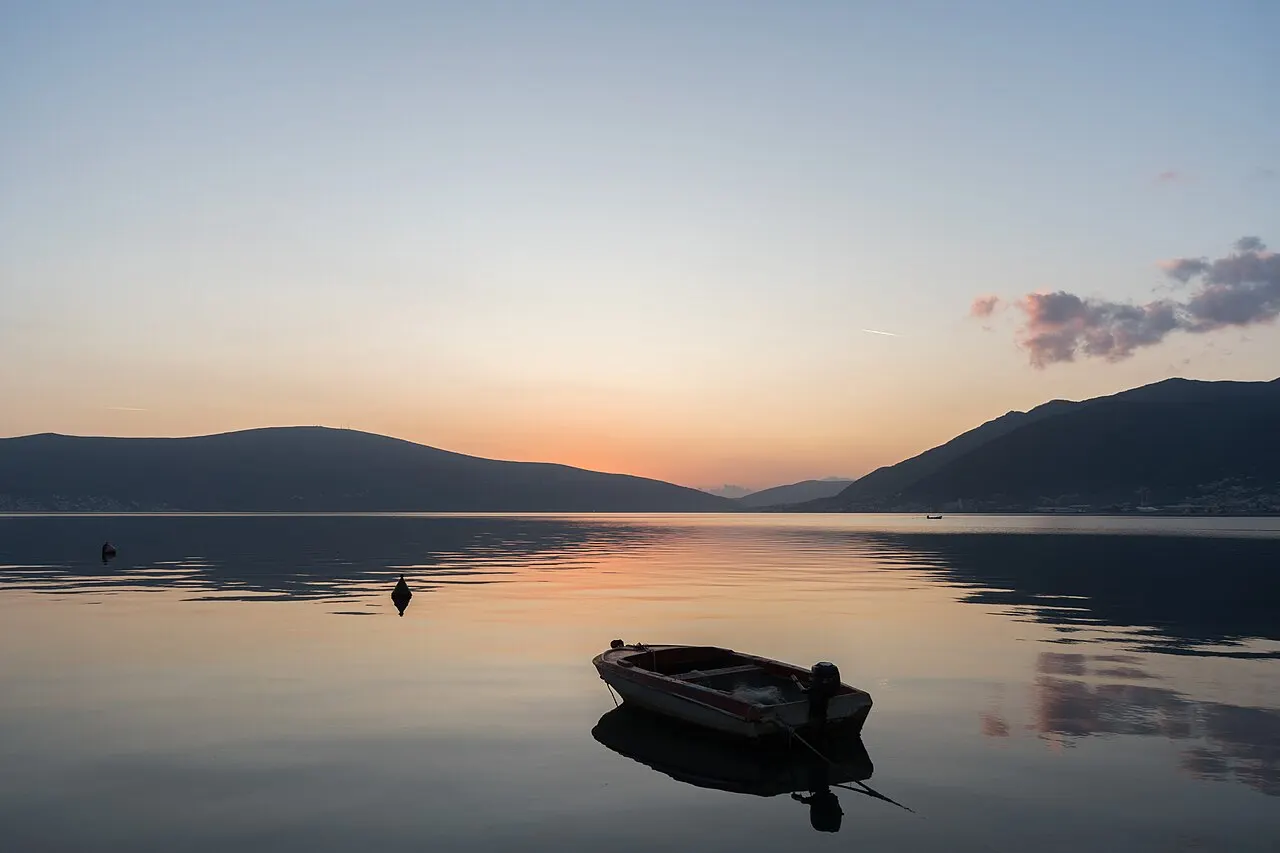
Be honest with yourself about one thing before you picture a week of taut sails: the Boka is a light-air, motor-assisted place. Because the bay is ringed by high mountains, the open-sea breezes that drive coastal sailing on the outer Adriatic rarely reach far inside. Mornings are often glassy and windless. When wind does come, it tends to be local and thermal — a sea breeze building through the afternoon, or sudden katabatic gusts spilling down the slopes when the air cools, which can arrive hard and from an awkward direction with little warning.
In practice this means most boats motor or motor-sail inside the bay and save real sailing for the run out past the bay mouth into open water. None of that diminishes the experience — it just sets the expectation. Treat the Boka as a cruising ground to potter through rather than a racecourse, keep an eye on the sky over the ridgelines, and reef early if a gust line shows. The bottom is deep and steep-to in much of the bay, which affects anchoring; local knowledge and an up-to-date pilot or chart matter more than usual. Always check the day's forecast before you cast off, and verify any chartered boat's local-area briefing.
- Expect calms and light, thermal winds inside the bay — most boats motor or motor-sail here.
- Watch for sudden katabatic gusts off the mountains; reef early and respect the ridgelines.
- Deep, steep-to water affects anchoring — use a current chart or pilot and verify your boat's local briefing.
Map pins
Map data © OpenStreetMap contributors · Tiles © OpenFreeMap
Where to base: marinas and moorings
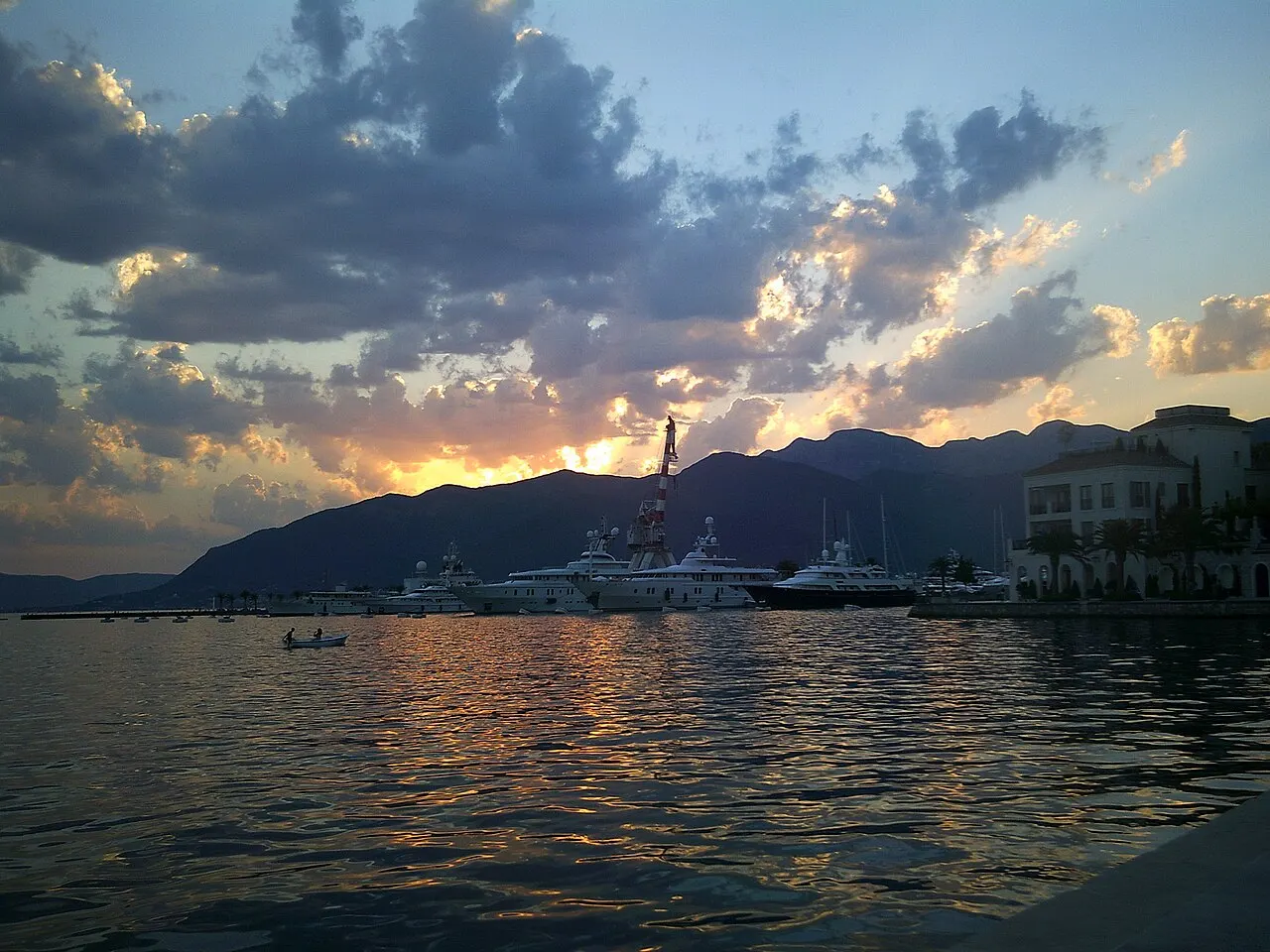
There are really three ways to plug into the bay. At the head of it, Kotor itself has a small town quay and marina right beside the Old Town walls — unbeatable for atmosphere, since you step off the boat into the lanes, but limited in space and busiest on cruise days. The big, modern option is Porto Montenegro at Tivat, a full-service superyacht marina with berths, fuel, chandlery, repairs, restaurants and provisioning, and the easiest base for picking up or dropping off a charter, especially as it is close to Tivat airport.
Between those, the bay offers gentler moorings and anchorages: off baroque Perast, in the bays near Risan at the far inner corner, and in the coves of the outer basins toward Herceg Novi and the Luštica shore. Many slow cruises base out of Tivat for the logistics, then spend their nights working deeper into the bay — Perast for the islands and the dusk light, a quiet cove for a swim and a star-filled night, then up to Kotor to tie under the walls. Berth availability, fees and services change with the season and the marina, so reserve ahead in summer and verify current rates and capacity directly.
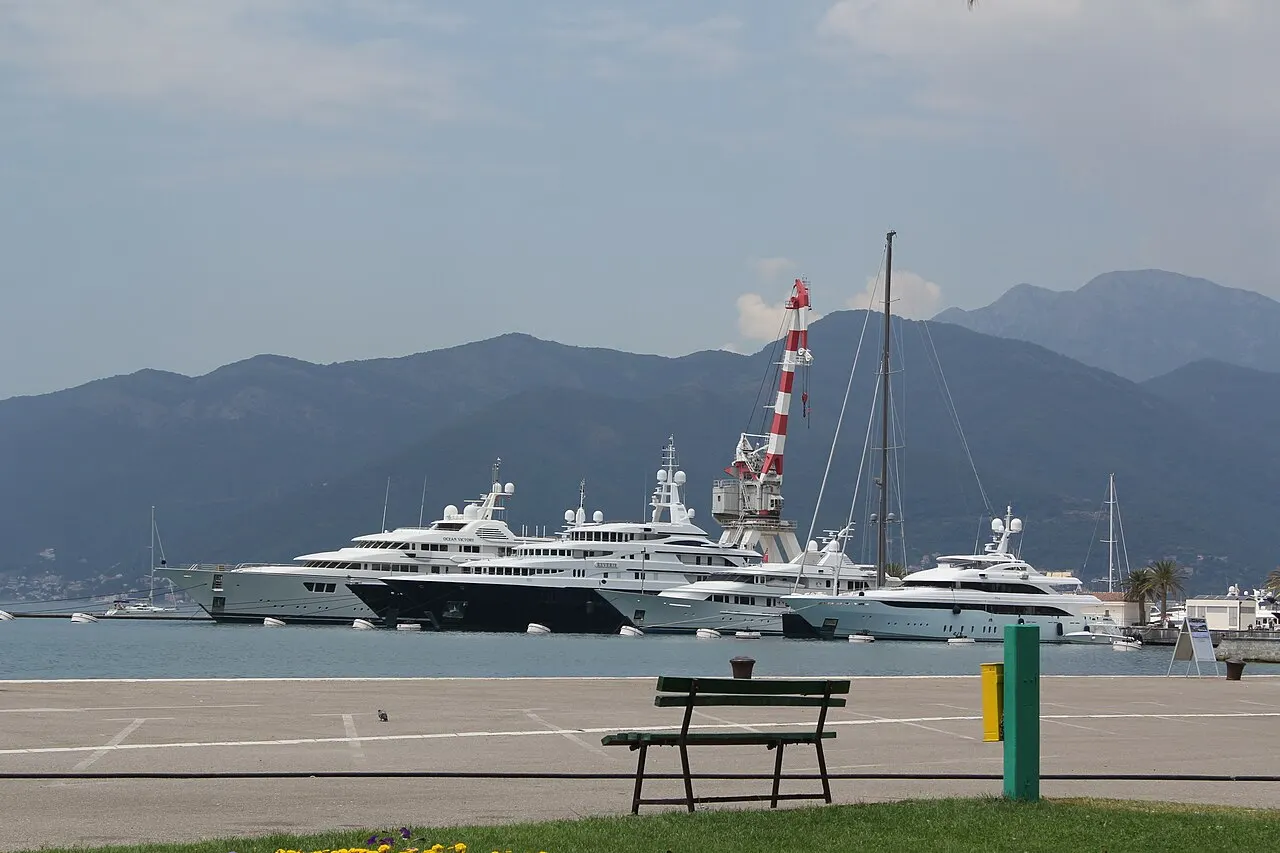
- Kotor town quay: peak atmosphere, step into the Old Town, but small and busy on cruise days.
- Porto Montenegro (Tivat): the full-service marina, easiest for charters and close to the airport.
- Perast, Risan and the outer coves: quieter moorings and anchorages for the nights between.
A slow route through the bay
If you have a few days under sail, let the geography draw the itinerary. A natural loop starts in Tivat, where the marina handles the practicalities, and works inward toward the most dramatic corner. Cross the Verige strait — the bay's 340-metre-wide waist — into the inner basin, anchor for a swim below the Vrmac ridge or the Stoliv shore, and time your arrival at Perast for the late afternoon, when the day boats have thinned and the captains' palaces glow. From the water, the run out to Our Lady of the Rocks and St George islet is the bay's signature picture.
Push on to the head of the bay for a night tied beneath Kotor's lit walls, then give a morning to the wilder outer basins toward Herceg Novi and the bay mouth, where you finally get open water and the chance of a proper sail. The single rule that makes a Boka cruise work is to plan around the calm hours and the cruise calls rather than against them: the bay is loveliest early and late, when the light is gold and the big ships are gone. We keep volatile details — charter rates, berth fees, fuel and provisioning costs — out of the prose, because they move.


Sailing the bay at a glance
A quick orientation for planning a sailing trip in the Boka. Treat every figure as evergreen background rather than a live booking detail, and confirm the day's specifics — forecast, berths, charter terms — before you rely on them.
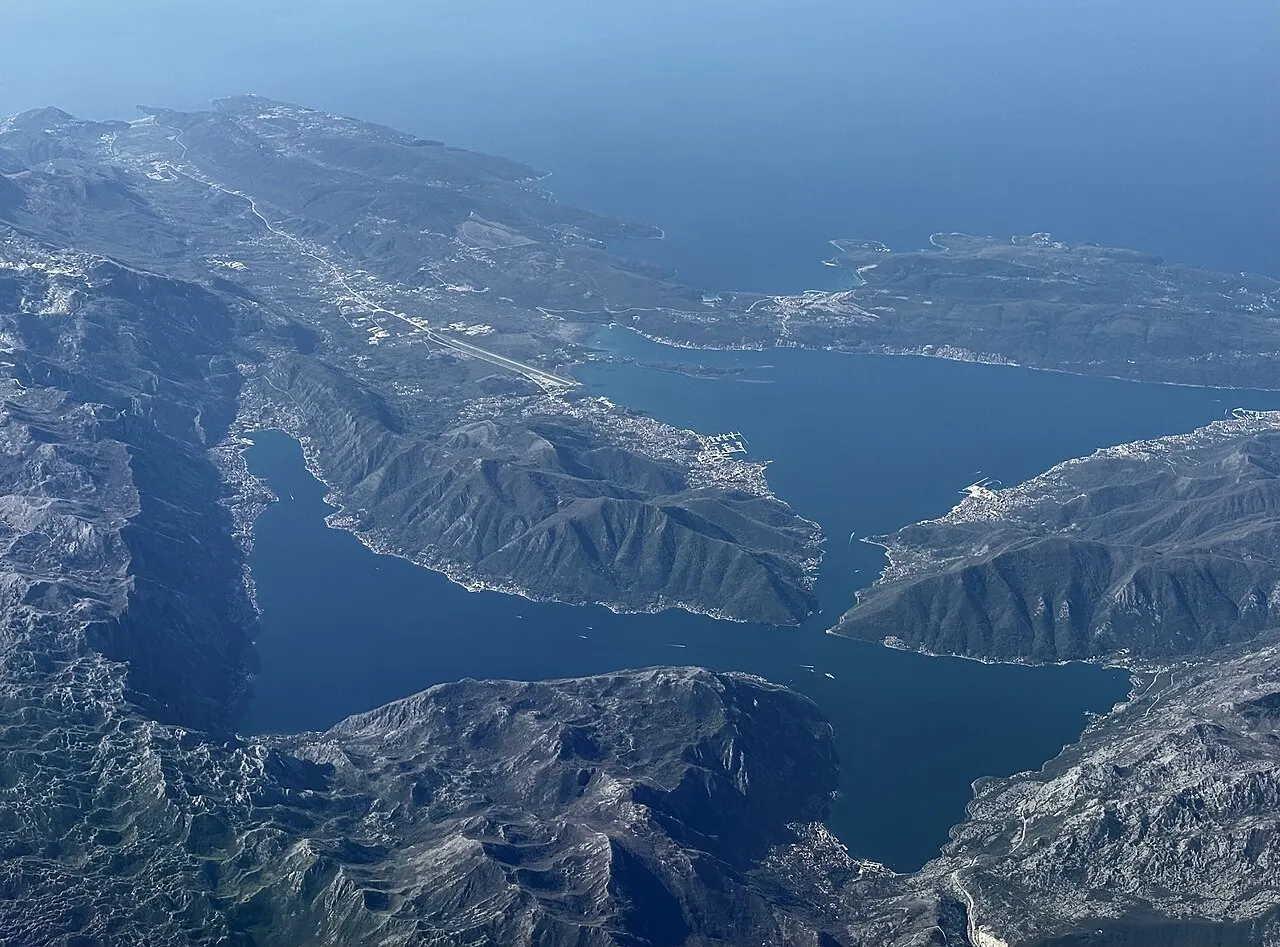
- Sailing ground: the Bay of Kotor (Boka Kotorska), ~28 km of sheltered water in four linked basins.
- Narrowest point: the Verige strait, about 340 m wide — the gateway to the inner bay.
- Conditions: largely light, thermal and motor-assisted inside; open sailing wind only near the bay mouth.
- Watch for: sudden katabatic gusts off the mountains; deep, steep-to water that complicates anchoring.
- Main bases: Kotor town quay (atmosphere), Porto Montenegro / Tivat (full service), Perast and Risan (quiet moorings).
- Best for: slow travellers and couples; verify charter rates, berths and the forecast before you go.


Private Yacht Charter in Kotor Bay
How to charter a yacht on the Bay of Kotor — crewed versus bareboat, day charters and longer cruises, the marina bases at Porto Montenegro, Kotor and Tivat, the classic Perast, Luštica and Blue Cave itineraries, the budget tiers, and how to choose and verify a charter.
Read guide
Porto Montenegro, Tivat: A Visitor's Guide
How to visit Porto Montenegro in Tivat from Kotor: the superyacht marina and its waterfront promenade, the restaurants and boutiques, the Naval Heritage Collection and submarine, the luxury hotels, and how to fold it into a bay day.
Read guide
Best Swimming Spots in the Bay of Kotor
The best places to swim in the Bay of Kotor, compared by access, water, shade, families, boat traffic and view: the Dobrota platforms, the Muo and Prčanj rocks, the quiet Stoliv, Orahovac and Ljuta coves, and the clear-water Luštica beaches out toward the open sea.
Read guide