
Wine Bars & Local Drinks in Kotor
A guide to Montenegrin wine and local drinks in Kotor: the grapes worth knowing — Vranac, Kratošija and Krstač — the homemade rakija ritual, where to find the Old Town's wine corners, and exactly what to order with the bay's seafood.

Photo: Caroline Attwood / Unsplash
- ✓Montenegro punches above its size on wine: robust Vranac is the signature red and crisp Krstač the local white, both grown mostly on the Lake Skadar plain inland.
- ✓Vranac and the white Krstač are the two names to learn first — order them by the glass and taste your way across a region most visitors have never tried.
- ✓Rakija, the homemade fruit brandy, is the local ritual: loza (grape) and plum (šljivovica) are the classics, usually poured at the end of a meal.
- ✓Kotor's Old Town hides a handful of intimate wine bars in old stone houses, plus konobas with thoughtful by-the-glass lists — far more characterful than imports.
- ✓Pair local: a crisp white or rosé with buzara and grilled fish, a glass of Vranac with Njeguši prosciutto and red meat — and verify current venues and prices on the day.
A short, useful primer on Montenegrin wine
Most visitors arrive in Kotor knowing the coast and the cats but nothing of the wine, and that is a happy gap to fill. Montenegro is a small country with a long viticultural history, and the great majority of its wine comes from the broad, sun-baked plain around Lake Skadar, inland from the coast toward the Albanian border. The country's best-known producer, the large Plantaže winery near Podgorica, farms one of Europe's biggest single vineyards there, but a growing number of smaller family estates around the lake and the capital are worth seeking out on a list. You do not need to drive to the vineyards to drink well, though: Kotor's bars and konobas bring the region to you.
Two grapes anchor everything. Vranac — the name means 'black stallion' — is the robust, dark, full-bodied red that is Montenegro's signature, all ripe dark fruit and a little grip, made for grilled meat and the mountain prosciutto. Its often-blended partner is Kratošija, a lighter native red (genetically the same vine as Croatia's Tribidrag and California's Zinfandel, a nice fact for the table). On the white side, Krstač is the crisp, citrusy local variety that suits a warm bay evening and a plate of fish. Learn those three names and you can read almost any Montenegrin list with confidence.
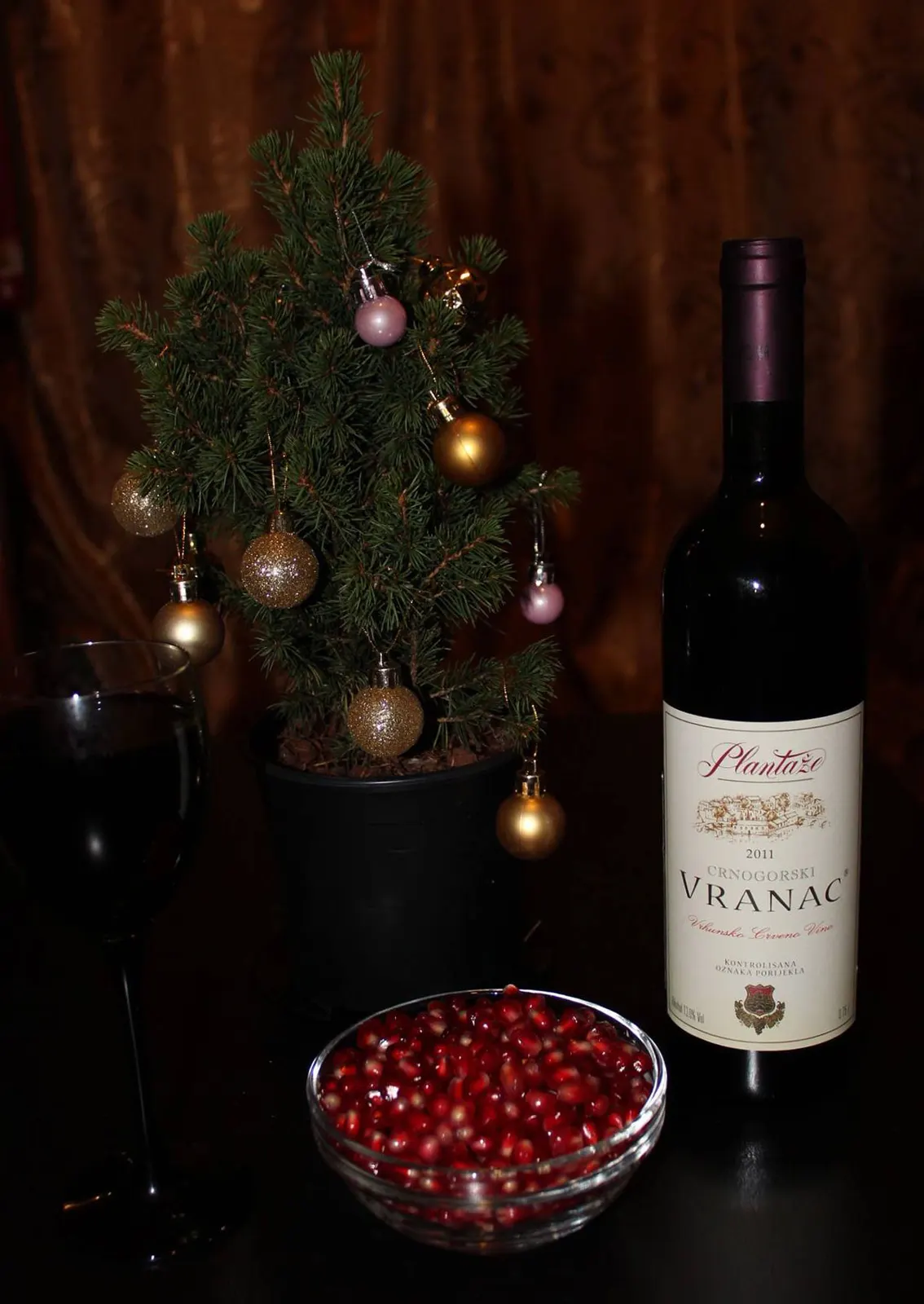

Rakija, and the local drinking ritual
No guide to drinking in Kotor is complete without rakija, the homemade fruit brandy that runs through Montenegrin life. It is poured to welcome a guest, to seal a deal, and — most reliably — at the end of a long meal, where a small glass is offered as a digestif and a sign of hospitality. The grape version, loza, is the coastal classic; plum (šljivovica) is the great Balkan staple; and you will also meet quince, herb-infused and honey varieties, many of them distilled by the konoba's own family. It is strong, it is sipped not shot in polite company, and refusing the offered glass outright can read as a small snub, so accept at least a taste.
Treat rakija as a cultural experience as much as a drink. If a konoba owner brings out a bottle without a label and a pair of small glasses at the end of dinner, you have arrived at the best version of a Montenegrin evening — the one no chain restaurant can fake. Ask what the fruit is and where it was made; the answer is usually a village name and a proud story. Pair it with a strong coffee and the slow, lamplit emptiness of the Old Town after the ships have gone, and you have the quintessential Kotor nightcap.
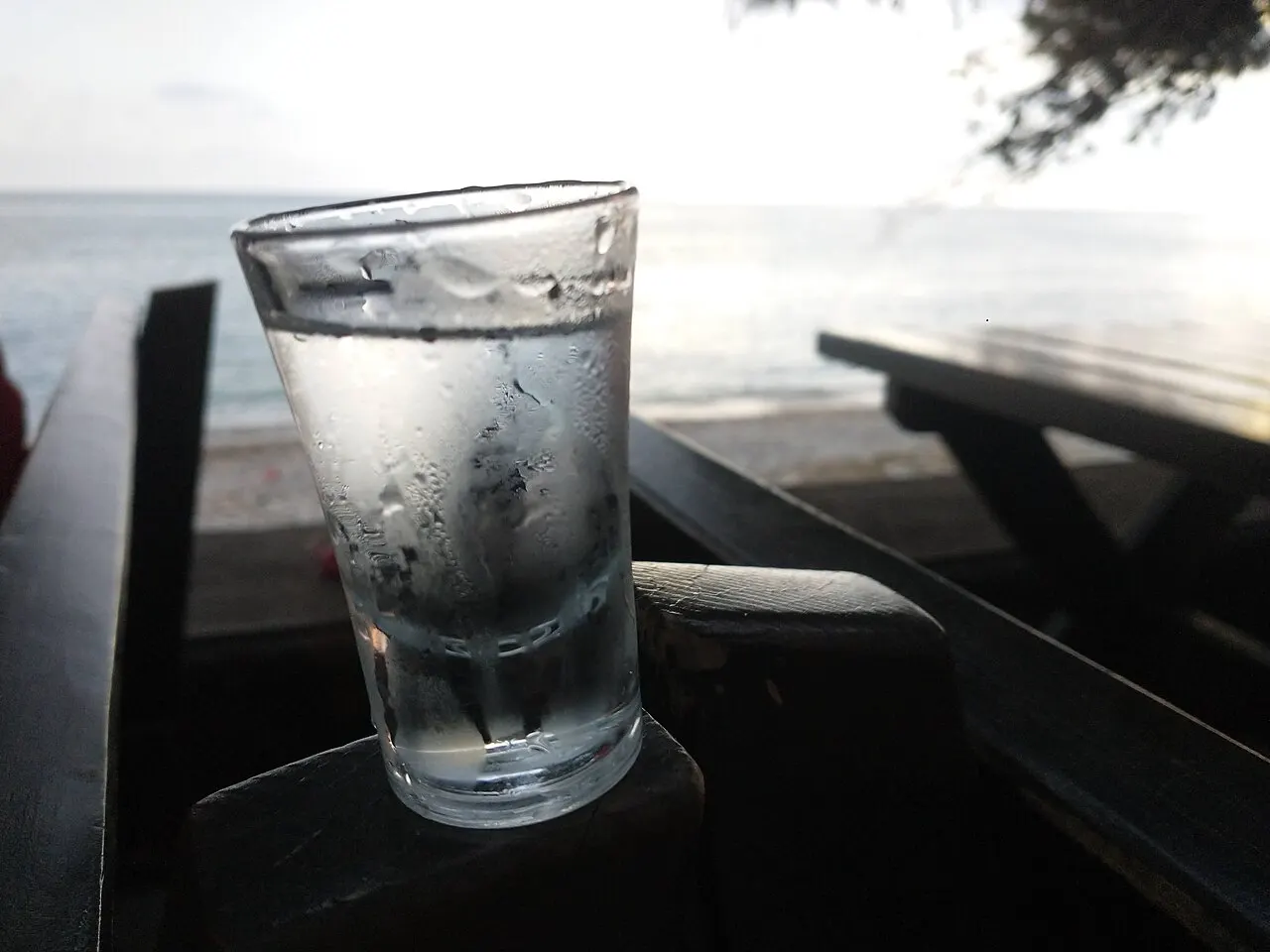
- Loza (grape) is the coastal classic; plum, quince and herb-infused rakija are common too.
- Usually offered at the end of a meal as a digestif — accepting at least a taste is good manners.
- Often homemade by the konoba's family; ask the fruit and the village it came from.
Map pins
Map data © OpenStreetMap contributors · Tiles © OpenFreeMap
Where to drink wine in Kotor
Kotor's wine scene lives mostly inside the walls, in a handful of small, atmospheric wine bars tucked into old stone houses off the main squares. These are the places to settle in for an unhurried evening: low light, a by-the-glass list that leans Montenegrin and Balkan, and someone behind the bar who will happily steer you from a familiar grape toward something you have never met. Because the Old Town navigates by squares rather than street names, the best approach is simply to wander the lanes off Arms Square and the cathedral square until a doorway and a chalkboard list pull you in. Beyond the dedicated wine bars, many konobas keep a short but well-chosen list, so you can drink seriously over dinner too.
For a glass with a view rather than a cellar feel, step out of the walls to the bay. The Dobrota and Prčanj waterfront, and above all the quays of Perast at golden hour, turn a simple glass of Krstač or rosé into one of the loveliest hours in the Boka. And if you want to go to the source, the wineries around Lake Skadar and Podgorica can be visited on a tasting day trip, while several Kotor operators run wine-focused tours into the hills and lakeside cellars. Wherever you drink, the names and lists change with the season, so confirm what is open and pouring on the day.
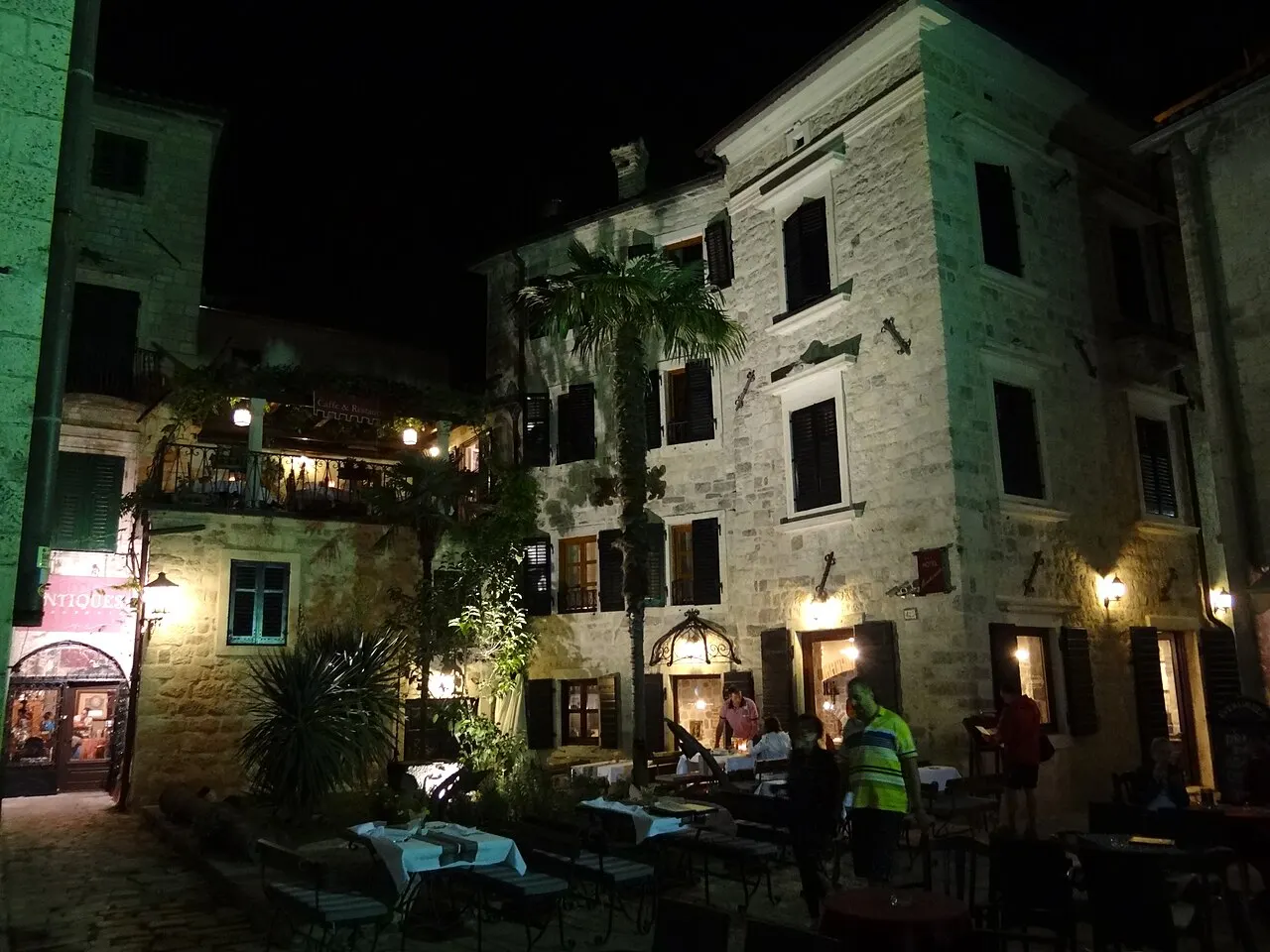
- Old Town: intimate wine bars in stone houses off the main squares, plus konobas with good by-the-glass lists.
- Bay views: Dobrota, Prčanj and especially Perast at golden hour for a glass over the water.
- To the source: Lake Skadar and Podgorica wineries on a tasting day trip or guided wine tour.

What to order with the bay's seafood
Kotor's table is coastal, so most of your wine choices will be made beside fish, and the pairings are pleasingly simple. With the bay's signature buzara — mussels or mixed shellfish in white wine, garlic and olive oil — and with grilled or salt-baked fish, reach for a crisp local white: a Krstač or a fresh blend has the citrus and acidity to cut the garlic and lift the brine. A dry Montenegrin rosé is the all-rounder that flatters almost everything on a seafood table, from black risotto to a shared platter, and it looks the part on a sunlit terrace.
Save the Vranac for the other half of the larder. Its dark fruit and structure are built for the mountain food that comes down from Njeguši — the air-dried prosciutto, the hard cheese, the grilled lamb and the heartier meat dishes — and for a cool bay evening when you want something with more weight. A useful rule of thumb: white and rosé by the water with fish in the afternoon and early evening, Vranac with meat and meze as the night cools. End, of course, with a rakija. As ever, treat any specific bottle recommendation as a starting point and let the konoba's own list and the day's catch guide the final choice.
- Buzara and grilled fish: a crisp local white (Krstač) or a dry blend to cut the garlic and brine.
- All-rounder: a dry Montenegrin rosé flatters most of a seafood table.
- Prosciutto, cheese and red meat: a glass of robust Vranac — then finish with rakija.


Best Bars in Kotor
Where to drink in Kotor: the lamplit Old Town lanes and hidden squares, the wine corners, the waterfront terraces out in Dobrota and Prčanj, the late-night music spots, and the quiet local konobas — chosen by the kind of evening you want rather than a fragile ranked list.
Read guide
What to Eat in Kotor
A field guide to Montenegrin coastal food in Kotor: buzara mussels and fresh fish off the bay, black cuttlefish risotto and grilled octopus, Njeguši pršut and cheese from the mountains, lamb cooked under the bell, pastries and sweets, and the wines, rakija and coffee that go with them.
Read guide
Romantic restaurants in Kotor
Where to eat a romantic dinner for two around Kotor: candlelit Old Town lanes and courtyards, the Dobrota and Prčanj waterfront, Perast quays facing the islands, and polished date-night kitchens — plus how to time and book a table for two.
Read guide