
Budget Food in Kotor
How to eat well in Kotor without spending much: bakeries and burek for cheap breakfasts and lunches, the open-air market for picnic supplies, pizza and casual grills, value konobas a lane back from the squares, supermarkets for self-catering, and how to dodge the Old Town location premium.

Photo: Steffen Lemmerzahl / Unsplash
- ✓Kotor is far cheaper to eat in than it first looks — the trick is to step off the main squares, where you pay a steep premium for the view.
- ✓Bakeries are the budget traveller's best friend: burek, bread and pastries make a filling breakfast or quick lunch for a few coins.
- ✓The open-air market plus a bakery loaf turns into a brilliant picnic for the walls or the bay — the best-value meal in town.
- ✓Pizza, casual grills and value konobas a lane back serve generous local plates for far less than a central terrace.
- ✓Carry cash, eat your big meals away from the squares, and treat any named, priced tip as something to verify on the day.
Kotor on a budget: step off the square
Kotor has a reputation as a pricey little town, and on the main Old Town squares it earns it — those central tables charge a real premium for the medieval backdrop and the passing crowds. But that premium is almost entirely about location, not food, and it is easy to sidestep. Walk one lane back from the busiest squares, head out of the walls to the everyday parts of town, or shop the market and the bakeries, and the same region's cooking suddenly costs a fraction of what the plaza tables ask. Eating well in Kotor for less is not about settling for worse food; it is about not paying for the view when you do not need to.
This guide rounds up the budget traveller's playbook in order of cheapest to splurgiest: bakeries, the market and picnics first, then pizza and casual eats, then the value konobas that serve proper local meals away from the squares, and finally self-catering for longer stays. Mix and match across a day — a bakery breakfast, a market picnic lunch, a value-konoba dinner — and Kotor turns out to be one of the more affordable places to eat well on the Adriatic, especially if you avoid the midday cruise crush on the central terraces.

Bakeries and burek: the cheapest filling meals
The single best budget habit in Montenegro is to live partly off bakeries (pekara). They are everywhere, they open early, and they turn out hot, filling food for a handful of coins. The star is burek — a flaky pastry coiled around meat, cheese, spinach or potato — which makes a substantial breakfast or a fast, cheap lunch on its own. Alongside it you will find fresh bread, savoury pastries, pizza slices, and sweet things for an afternoon lift, all priced for locals rather than tourists.
Use bakeries as the backbone of your cheap days. A burek and a coffee is a proper breakfast for the price of a single drink on a square; a pastry and a piece of fruit from the market is a lunch you can eat on the move or carry up the walls. Look for the busy bakeries away from the most touristy stretch — the ones with a queue of locals are usually both cheaper and better. Even just swapping one sit-down square meal a day for a bakery stop noticeably loosens a tight Kotor budget.
- Bakeries (pekara) open early and sell burek, bread and pastries for a few coins.
- A burek and coffee is a filling breakfast for the price of one drink on a square.
- Choose the busy, local bakeries off the main tourist stretch — usually cheaper and better.
 Best Cafés in Kotor
Where to sit with a cheap coffee between bakery and market stops.
 Montenegrin Food in Kotor
The local dishes — including burek — worth knowing before you order.
Map pins
Map data © OpenStreetMap contributors · Tiles © OpenFreeMap
The market and the picnic: best value in town
If bakeries are the backbone, the open-air market is the budget traveller's secret weapon. Just outside the walls by the waterfront, the green market sells seasonal fruit and vegetables, Njeguši prosciutto and cheese by weight, olives, dried figs and honey at local prices. Combine a little of that with a fresh loaf from a bakery and you have assembled, for a few euros, the best-value meal in Kotor: a picnic. Carry it up the city walls and eat with the whole bay below you, or take it to the flat Dobrota waterfront for a lunch with your feet near the water.
The picnic is not just cheap — on a hot, crowded cruise day it is often the most pleasant lunch going, while the squares are packed and overpriced. It also scales: buy a bit more, and the same supplies cover a beach day, a long bay-boat trip or a snack to break up the climb. Tasting cheese and prosciutto before you buy is normal at the market, so you can shop precisely to your appetite and budget. For most travellers watching the euros, one market picnic a day is the cleanest single saving in Kotor.
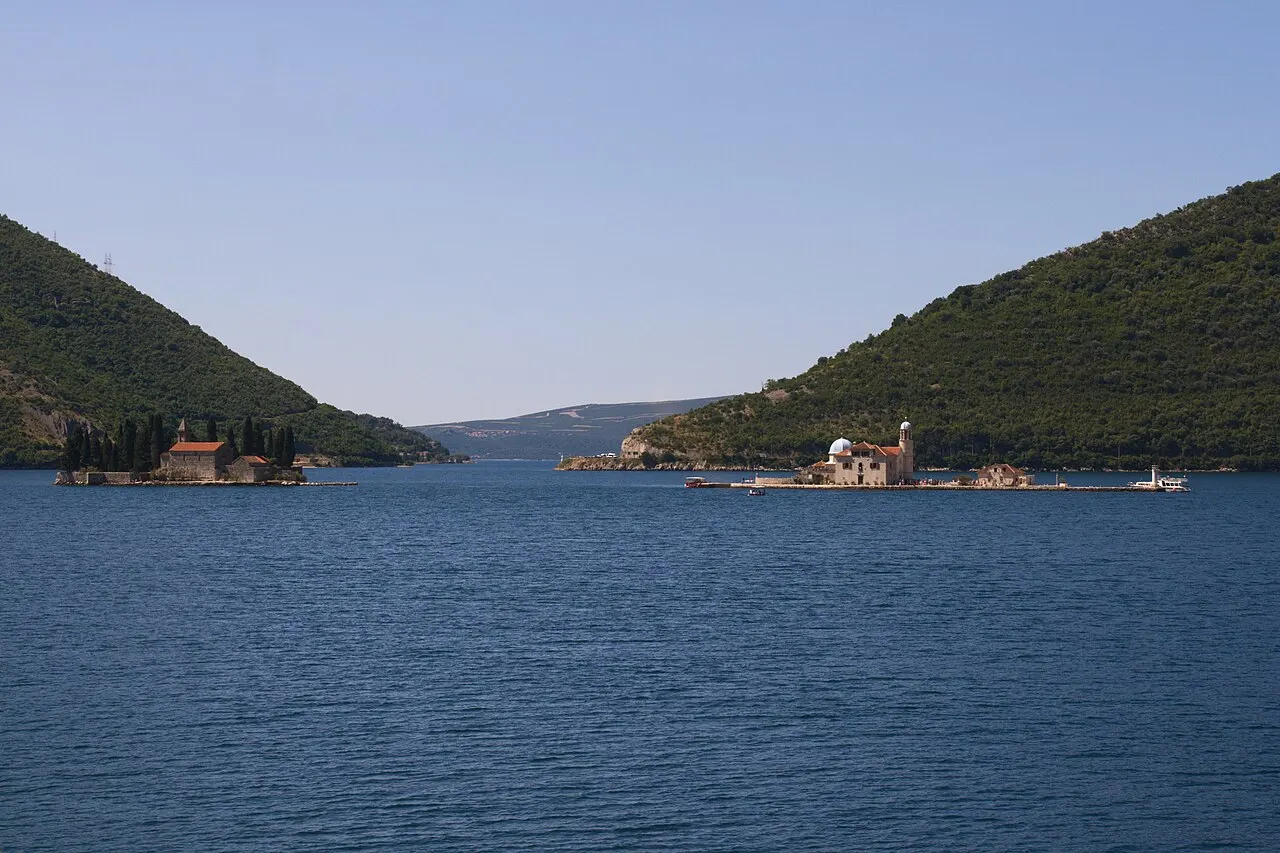
- The market plus a bakery loaf makes the best-value meal in Kotor — a picnic for a few euros.
- Eat it on the walls or the Dobrota waterfront, not on a pricey, packed square.
- Taste before you buy cheese and prosciutto, and shop to your appetite.

Pizza, grills and value konobas off the squares
When you want a hot, sit-down meal without the square premium, three options keep costs sane. Pizza and pasta are reliably good value across town — Montenegro shares the Adriatic's love of a proper wood-fired pizza, and a single one easily feeds one hungry person for far less than a seafood platter. Casual grills (roštilj) are the other workhorse: ćevapi, pljeskavica and grilled meats with bread, ajvar and chips are generous, filling and cheap, and they are how a lot of locals eat out.
For the full konoba experience on a budget, the rule is geographic: walk a lane or two back from the main squares, or out of the walls into the everyday parts of town, and look for the modest, family-run places where the menus are in Montenegrin first and the prices are written for residents. The same regional cooking — buzara, grilled fish, prosciutto boards — arrives at noticeably gentler prices than on the central terraces. A shared plate, a carafe of house wine and bread can turn a sit-down dinner into a real meal without breaking a tight budget.
- Pizza and pasta are reliable value — one pizza feeds a hungry traveller for little.
- Casual grills (ćevapi, pljeskavica, grilled meats) are filling and cheap, the way locals eat out.
- For konoba cooking on a budget, go a lane back or out of the walls to family-run, local-priced places.


Self-catering, supermarkets and the rules that save most
For longer stays, self-catering is the deepest saving of all. Many Kotor apartments come with a kitchen, and the town has supermarkets and small grocers — both in the everyday parts of town and a short way along the bay — stocked with everything you need to cook simply: pasta, eggs, local cheese and cured meat, fruit, and bottled water and wine at a fraction of restaurant prices. Even one or two cooked-in meals a day, with the odd konoba dinner for treats, transforms the maths of a week in Kotor. Buy water and snacks at a supermarket rather than a kiosk near the walls, and stock up before a long bay or beach day.
A handful of habits save the most across all of this. Carry cash, since bakeries, the market and small konobas often prefer it. Drink the tap water where it is fine to refill a bottle, rather than buying it on the square. Eat your big meals away from the central terraces, and use those squares for a single coffee or a sunset drink — the cheapest way to enjoy the view without paying a meal's premium for it. And treat every specific price as a moving target: this guide names where value lives rather than what anything costs, so check the current prices on the day and let the savings come from where you eat, not from going hungry.
- Book an apartment with a kitchen and cook simply — the deepest saving for longer stays.
- Buy water, snacks and wine at supermarkets, not kiosks by the walls; stock up before long days.
- Carry cash for bakeries, the market and small konobas.
- Use the squares for one coffee or a sunset drink, not for your big, premium-priced meals.
- Verify current prices on the day — this guide maps where value is, not what it costs.


Kotor on a Budget: A Low-Cost Itinerary
A lower-cost Bay of Kotor plan that leans on free sights, local buses, market and bakery food, self-guided walks and one or two selective paid splurges — how to do the Old Town, the bay and the views well without spending much, and where it is worth paying.
Read guide
Kotor Food Market Guide
A practical food-market guide to Kotor's open-air green market just outside the Old Town walls: what to buy — local fruit, Njeguši prosciutto and cheese, honey, olives and oil, dried figs — how to time a morning visit, build a brilliant picnic, choose edible gifts and shop politely.
Read guide
Best budget hotels in Kotor
How to stay cheaply around the Bay of Kotor without losing your days to buses, parking or steep walks: where the value is, what budget looks like here, the shoulder-season and cruise-day pricing tricks, and the hidden costs to weigh before you book.
Read guide