
Kayaking & SUP in Kotor Bay
Where paddling works in the Bay of Kotor: the sheltered inner bay off Dobrota, Muo and Prčanj, the beginner-friendly routes, the all-important morning-wind safety rule, what to rent and which guided trips to join, and who kayaking and stand-up paddleboarding suit.

Photo: Stefan Kostić / Unsplash
- ✓The sheltered inner Bay of Kotor is genuinely good paddling water — calm, glassy and ringed by mountains that drop straight to the surface.
- ✓Go early: the bay is usually mirror-still at dawn and tends to pick up wind and chop through the afternoon, so morning is both safer and prettier.
- ✓Beginner-friendly routes hug the shore — paddle from Dobrota, Muo or Prčanj and keep the coast close rather than crossing open water.
- ✓You can rent a kayak or SUP by the hour, or join a guided paddle that handles the route, safety and timing for you.
- ✓Stay close to shore, wear the buoyancy aid, keep clear of boat channels and the busy bay head, and never paddle out when the wind is up.
- ✓It is one of the best-value, most romantic ways to see the bay — quiet, close to the water, and entirely on your own time.
Why the bay is made for paddling
The same geography that makes the Bay of Kotor short on beaches makes it superb for paddling. This is a ria — a deep, flooded river canyon, often called Europe's southernmost fjord — so the water is sheltered from the open Adriatic by the folds of the bay, and on a calm morning the inner basins go glassy and mirror-still. Sitting low on a kayak or standing on a board, with the mountains rising sheer on every side and the walled town reflected in the water, you get a perspective on the Boka that no boat deck offers.
It is also unintimidating water for the most part. There is no surf, no tide to speak of, and plenty of close shoreline to hug, which makes the inner bay forgiving for beginners and families who would never paddle an open coast. The catch — and it is the one rule that matters most here — is the wind, which we'll come to: get your timing right and the bay is a gentle, beautiful place to paddle; get it wrong and a calm morning can turn into a hard slog home by mid-afternoon.
Where to put in: Dobrota, Muo and Prčanj
The natural launch points are the bay villages just outside the busy head of the bay. Dobrota, north of the Old Town, has a long, accessible waterfront and is the easiest place to get on the water; from here you can paddle gently along the shore, peering down at the clear water and the old captains' houses, and turn back whenever you like. Across the channel, Muo and Prčanj offer the same calm launches with the bonus of paddling toward a full-on view of Kotor's walls climbing the mountain.
Wherever you put in, the smart pattern is the same: keep the shoreline close on one side and follow it, rather than striking out across open water. That keeps you out of the boat channels, gives you a bail-out point the whole way, and turns the paddle into a slow, low-level tour of the waterfront. Avoid the immediate bay head right by the Old Town, where tour boats, tenders and cruise traffic concentrate — start a little along the shore and the water is both calmer and safer.
- Dobrota — the easiest launch: long accessible waterfront, gentle shore-hugging routes.
- Muo & Prčanj — calm launches with a paddle toward Kotor's walls.
- Hug the shore, keep a bail-out point, and stay out of the boat channels.
- Avoid the busy bay head by the Old Town — start a little along the shore.
 Dobrota Promenade
The waterfront that makes the easiest and most accessible launch.
 Best Swimming Spots in the Bay
Where to tie up and swim on a paddle along the same shore.
Map pins
Map data © OpenStreetMap contributors · Tiles © OpenFreeMap
The one rule: paddle in the morning
If you remember nothing else from this guide, remember this: paddle early. The Bay of Kotor is typically calmest at first light and through the morning, then the wind tends to build and the surface chops up as the day heats — a pattern strong enough that local paddlers plan around it. A glassy dawn outing is easy, safe and the most beautiful version of the trip; the same route attempted into a stiff afternoon headwind can be tiring and, on a board especially, genuinely difficult to get home against.
So launch in the cool of the morning, give yourself a clear turnaround time, and head back before the breeze fills in. Check the forecast and look at the water before you set off — if it is already ruffled and white-capping at the launch, that is your answer to wait. The inner bay forgives a lot, but it does not forgive being caught far from shore on a windy afternoon, so build the wind into your plan rather than discovering it the hard way.
- Calmest at dawn and through the morning; wind and chop usually build in the afternoon.
- Set a turnaround time and head back before the breeze fills in.
- Check the forecast and look at the water — white-caps at the launch mean wait.
- Never get caught far from shore on a windy afternoon.

Season, kit and staying comfortable
The paddling season tracks the swimming season, because warm, settled weather is what you want. From late spring through early autumn the bay is usually at its calmest and the water at its kindest, and the shoulder months either side of high summer are arguably the sweet spot — warm enough, quiet on the water, and with that long soft light the Boka does so well. Midsummer is reliably warm but also the busiest on the water and the most likely to deliver a hot, breezy afternoon, which is one more reason to be a morning paddler. Out of season the bay can be glorious on a still day but cold and changeable, so check the forecast carefully.
On kit and comfort, keep it simple. A buoyancy aid is non-negotiable — wear it, don't just carry it. Sun is the bigger everyday hazard than the water: you are exposed for the whole outing, so a hat, sunglasses on a strap, reflective sunscreen and a long-sleeve rash top pay off, and you'll want plenty of drinking water aboard. A dry bag keeps your phone and keys safe; secure anything you'd hate to drop, because on a board especially it's easy to lose things over the side. Light, quick-drying clothes and something for your feet round it out, since you'll launch and land over rocks and pebbles rather than soft sand.
- Best season: late spring to early autumn; the shoulder months are the sweet spot.
- Always wear the buoyancy aid; sun exposure is the bigger everyday hazard.
- Bring a hat, sunglasses on a strap, sunscreen, water and a dry bag.
- Light quick-drying clothes and footwear for rocky launches — there's no soft sand.
Rent it yourself or join a guided paddle
You have two simple ways to get on the water. The first is to rent a kayak or stand-up paddleboard by the hour from a waterfront operator — quick, cheap and flexible, ideal if you are confident, want to potter along the Dobrota shore on your own clock, and know to come back before the wind. The second is to join a guided paddle, where a local outfit provides the kit, briefs you, leads a sensible shore-hugging route and, crucially, picks the right window and conditions for you. For first-timers, nervous paddlers, or anyone unsure about the wind, the guided option is the safer, more relaxing choice.
We don't quote rental prices or tour times here because they move with the season and the operator, and a figure today would mislead you tomorrow. Expect hourly hire to be inexpensive and guided trips to cost more for the kit, the guide and the safety. Whichever you pick, confirm a buoyancy aid is included and worn, ask about the conditions before you commit, and verify the current price and meeting point with the operator directly.
- Self-rent by the hour: cheap and flexible for confident paddlers on the Dobrota shore.
- Guided paddle: kit, briefing, a safe route and the right weather window — best for first-timers.
- Confirm a buoyancy aid is included and worn.
- Verify current prices, meeting points and conditions with the operator.
Who it suits, and the most romantic paddle
Paddling suits a wide range of visitors precisely because the inner bay is so sheltered. Active couples, families with teenagers, and anyone who wants to be on the water under their own power will love it; it is also a brilliant, low-cost alternative to a boat tour for travellers who'd rather move quietly than ride in a crowd. Small children are best kept to a calm dawn outing close to shore, ideally on a tandem kayak with an adult, and absolute beginners should lean toward a guided trip on a settled morning.
And for couples, there is a version of this that rivals any sunset cruise: a dawn paddle out from Muo or Dobrota when the bay is a sheet of glass, the town still asleep, the mountains doubled in the water, and not another soul around. Drift, swim off the boards, watch the first light catch Kotor's walls, and paddle back for breakfast. It costs almost nothing and it is one of the most quietly romantic hours the Boka can give you.
- Great for active couples, families with teens, and anyone wanting a quiet, low-cost bay outing.
- Small children: calm dawn outings only, ideally on a tandem with an adult.
- Absolute beginners: choose a guided trip on a settled morning.
- The romantic paddle: a dawn outing from Muo or Dobrota on a glassy, empty bay.


Bay of Kotor
How to explore the Bay of Kotor: the shape of the Boka's four linked basins, and the five ways to experience it — by boat, by bus, by car, on the waterfront on foot, and from a viewpoint above.
Read guideDobrota Promenade
The waterfront walk north of Kotor: how to stroll, swim and café-hop along Dobrota's seaside promenade, past captains' palaces and bathing ladders, with the walled Old Town and the mountains across the bay the whole way.
Read guide
Kotor with Teens
Active, photogenic Kotor for teenagers — the city-walls climb to St John Fortress, boat tours and the Blue Cave, kayaking and paddleboarding on the bay, the best viewpoints, and the after-dark town.
Read guideMore in Bay of Kotor
6
Bay of Kotor Boat Tours
Compare the kinds of boat trip on the Bay of Kotor: shared group tours, fast speedboat trips, private charters, the Perast and Our Lady of the Rocks classic, the Blue Cave route, and sunset cruises — what each suits, rough durations and the weather caveat.
Read guideBest Swimming Spots in the Bay of Kotor
The best places to swim in the Bay of Kotor, compared by access, water, shade, families, boat traffic and view: the Dobrota platforms, the Muo and Prčanj rocks, the quiet Stoliv, Orahovac and Ljuta coves, and the clear-water Luštica beaches out toward the open sea.
Read guide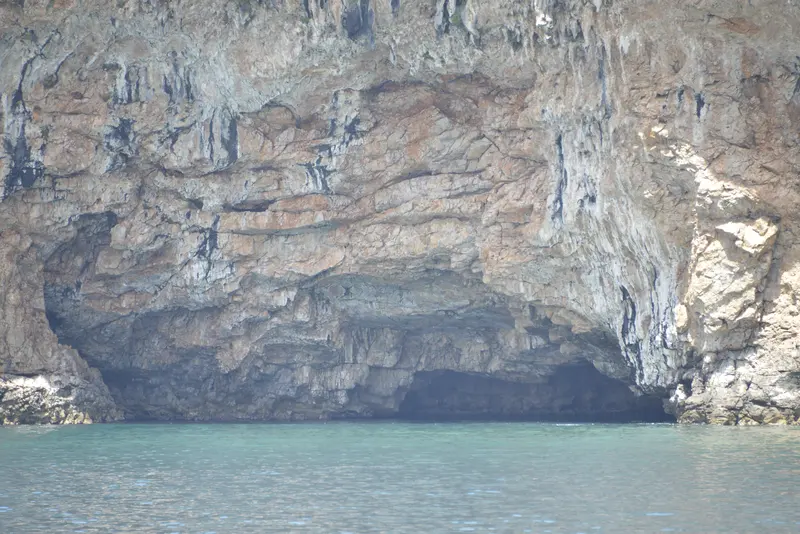
Blue Cave Montenegro
Is the Blue Cave (Plava Špilja) worth it from Kotor? What it is and why the water glows, where it sits near the bay mouth, how trips reach it, the sea-condition and timing realities, swimming inside, the crowds, and the honest verdict with alternatives.
Read guide
Kotor Sunset Cruise Guide
When to book a sunset cruise in Kotor and what route to choose: why the bay is at its most beautiful at golden hour, the Perast run versus the open-bay loop, group boats versus going private, and how the high mountains change the sunset itself.
Read guide
Kotor to Perast by Boat
Every way to get from Kotor to Perast and Our Lady of the Rocks: boat tours (shared and private), the bay bus, taxi and driving — with steps, rough durations and the catch that there is no scheduled passenger ferry.
Read guide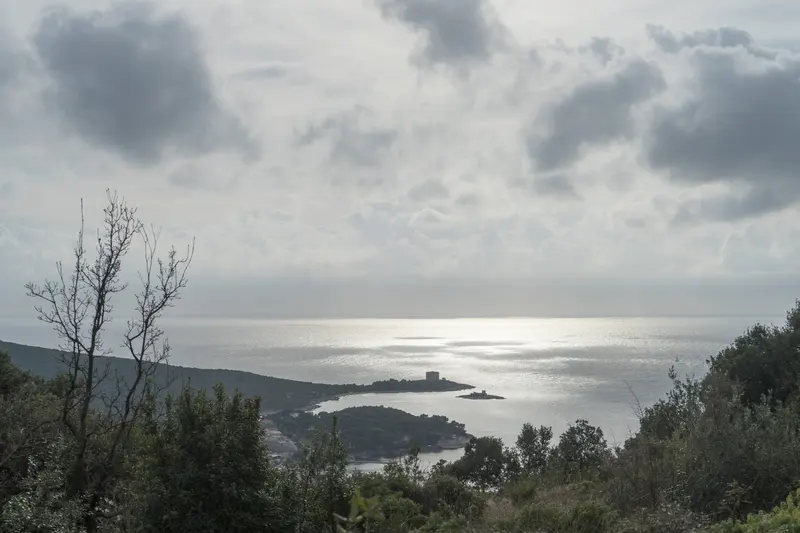
Luštica Peninsula
A guide to the Luštica peninsula at the mouth of the Bay of Kotor: its clear open-sea beaches and coves like Žanjice, Mirište and Rose, the Blue Cave, the quiet hill villages and olive groves, the drive-versus-boat decision, and when it's worth leaving the inner bay.
Read guide