
Blue Cave Montenegro
Is the Blue Cave (Plava Špilja) worth it from Kotor? What it is and why the water glows, where it sits near the bay mouth, how trips reach it, the sea-condition and timing realities, swimming inside, the crowds, and the honest verdict with alternatives.
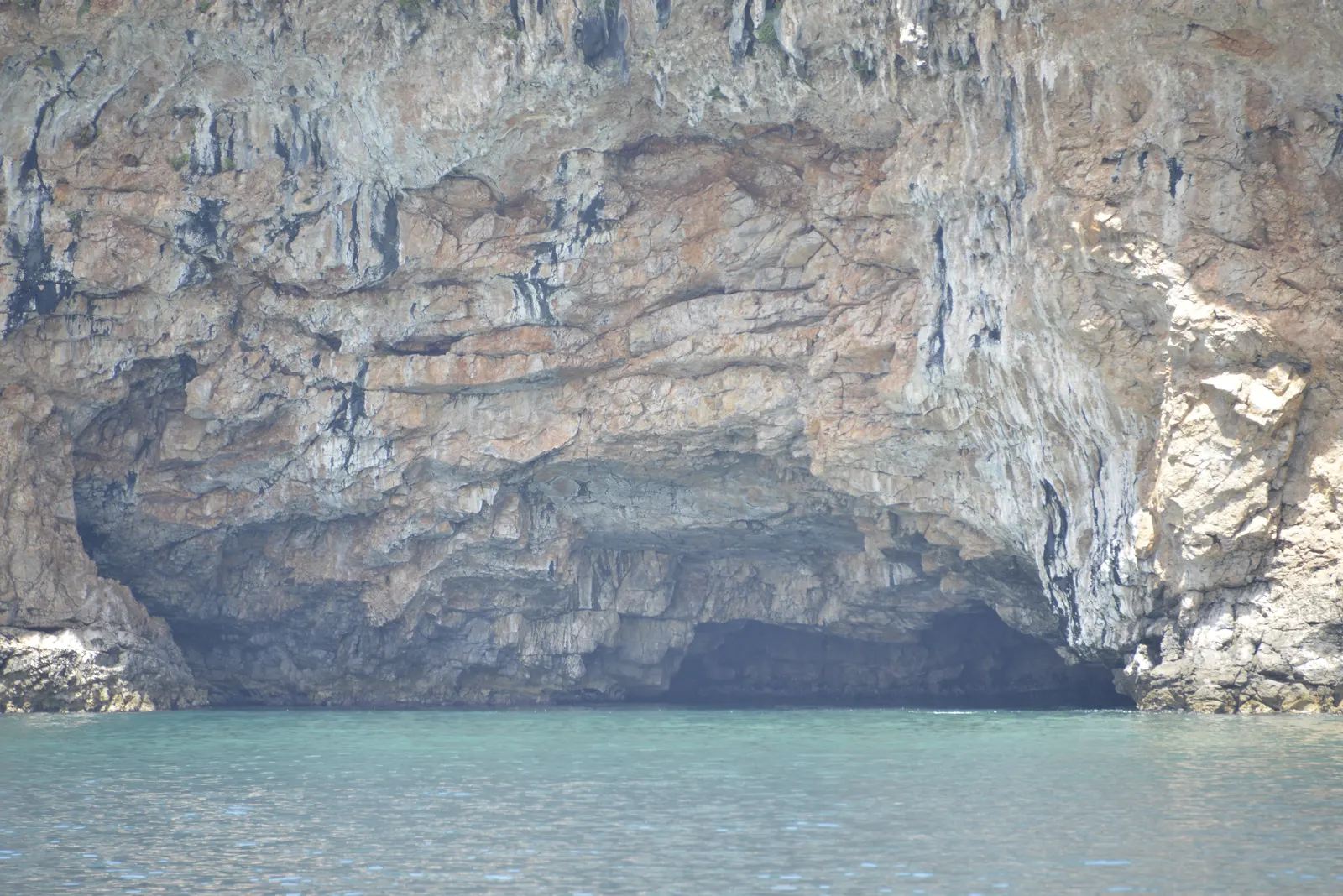
Photo: Miomir Magdevski / Wikimedia Commons · CC BY-SA 4.0
- ✓The Blue Cave (Plava Špilja) is a sea grotto on the Luštica peninsula near the mouth of the Bay of Kotor, where sunlight reflecting off the white seabed turns the water a glowing electric blue.
- ✓It's reached only by boat — usually a speedboat tour from Kotor, Tivat, Herceg Novi or the nearer coast — not by road or on foot.
- ✓The glow depends on light and calm: bright, settled mornings give the strongest blue; wind, swell or cloud can mute it or close the cave entirely.
- ✓Most tours let you swim inside, which is the highlight — floating in luminous blue water under the rock.
- ✓It's the bay's busiest single attraction in peak season; boats queue to enter, so early starts pay off.
- ✓Often combined with a swim at Žanjice or Mirište and other bay-mouth sights — and it's weather-dependent, so always confirm the trip is running.
What the Blue Cave actually is
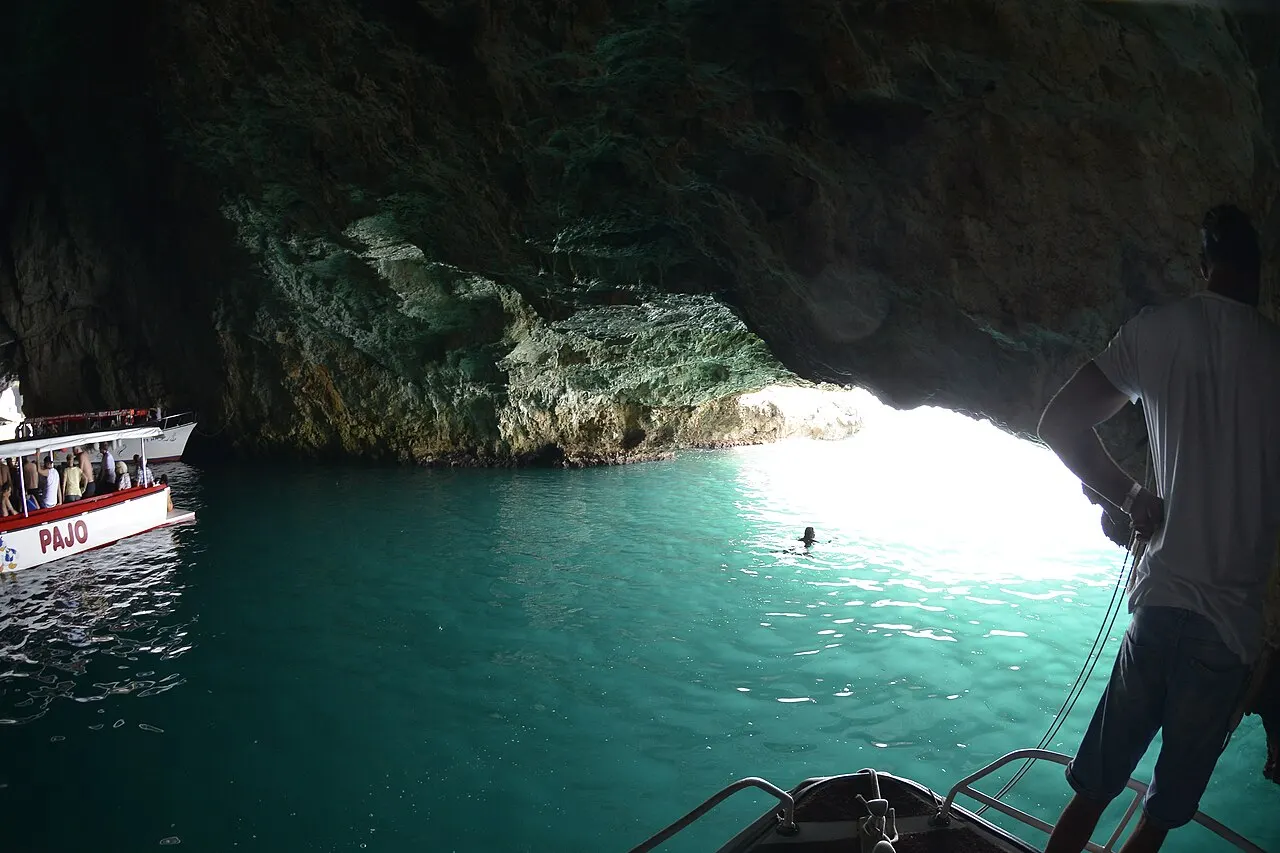
The Blue Cave — Plava Špilja in Montenegrin — is a sea cave carved into the cliffs of the Luštica peninsula, near where the Bay of Kotor opens to the Adriatic. Its fame rests on a simple piece of optics: on a bright day, sunlight enters the cave both through the mouth and, refracted, through the clear water, then bounces off the pale, sandy seabed and back up, flooding the whole cavern with an unreal, glowing blue light. The effect makes the water look lit from within, and anything in it — a swimmer's body, an oar — shimmers a ghostly silver-blue.
It's a natural phenomenon you'll recognise from the more famous Blue Grottoes of Capri and Croatia, and Montenegro's version is the headline sea-cave of the Boka. The cave is roomy enough for small boats to enter (you usually transfer to, or arrive on, a small speedboat that noses right inside), and the glow is at its most intense in a pool of deeper water within. It's brief and conditions-dependent — but when it's on, it's genuinely one of the bay's most striking sights.

Where it is, and getting there from Kotor
The cave sits on the outer, seaward side of the Luštica peninsula — the long headland that closes off the Bay of Kotor — close to the bay mouth and the open Adriatic. That location matters for two reasons. First, you can only reach it by boat: there's no road to it and no walking in, so a sea trip is the only way. Second, it lies beyond the shelter of the inner bay, in more exposed water, which is why the weather has the final say on whether you go.
From Kotor, the cave is one of the longer trips on the water. Most visitors reach it on a speedboat tour that runs the length of the bay, out past Tivat and the bay mouth, and along the Luštica coast — typically a half-day or more. Trips also leave from Tivat, Herceg Novi and nearer points, which are closer to the cave, so if you're staying down the bay you'll have a shorter run. However you go, it's usually packaged as part of a route taking in a swim and other bay-mouth sights rather than a there-and-back to the cave alone.
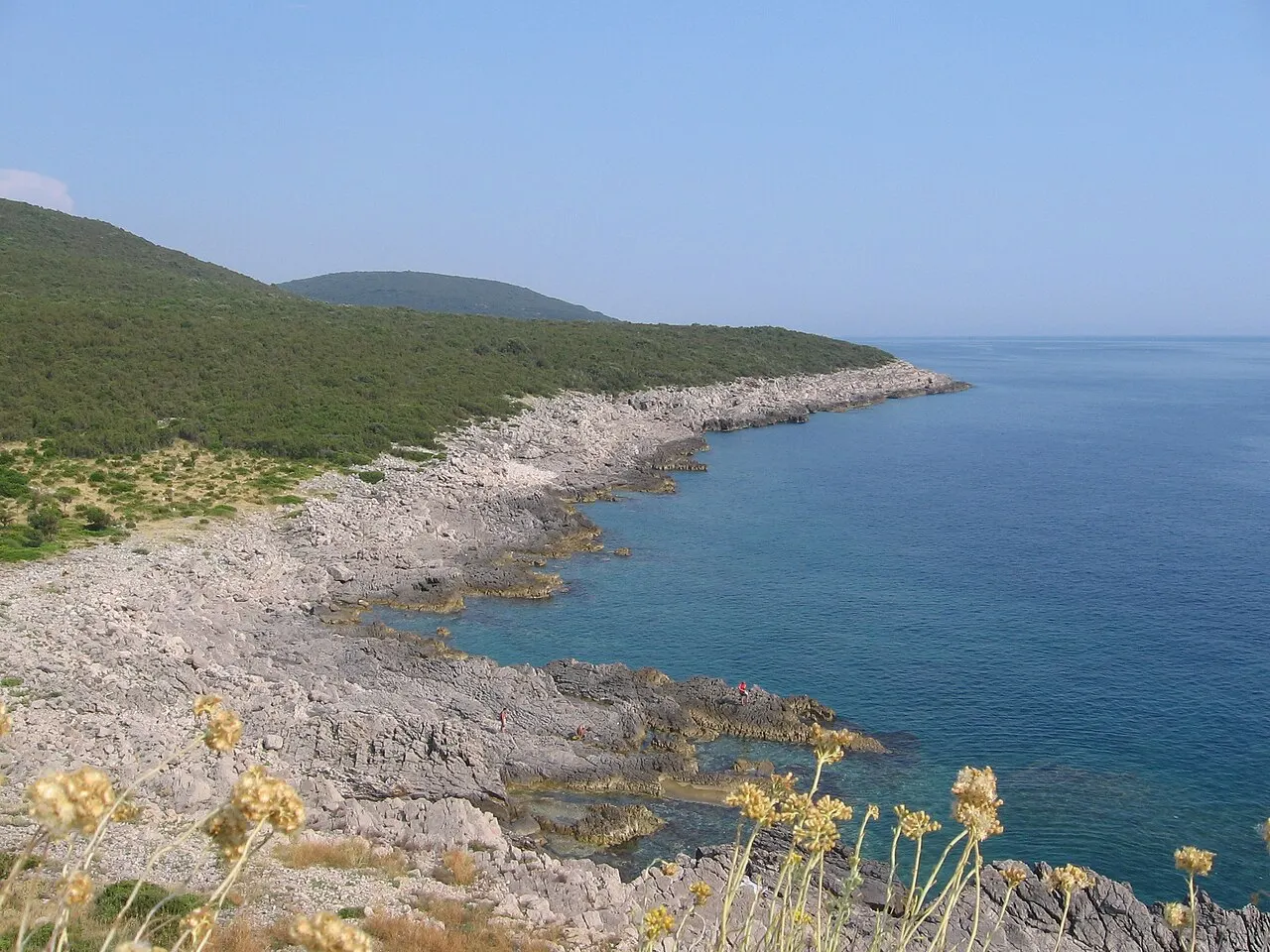
- Location: outer Luštica peninsula, near the Bay of Kotor mouth — reachable only by boat.
- From Kotor: a longer trip, usually by speedboat down the whole bay and out past Tivat.
- Shorter runs leave from Tivat, Herceg Novi and nearer coast.
- Almost always part of a route with a swim and other sights, not a there-and-back.
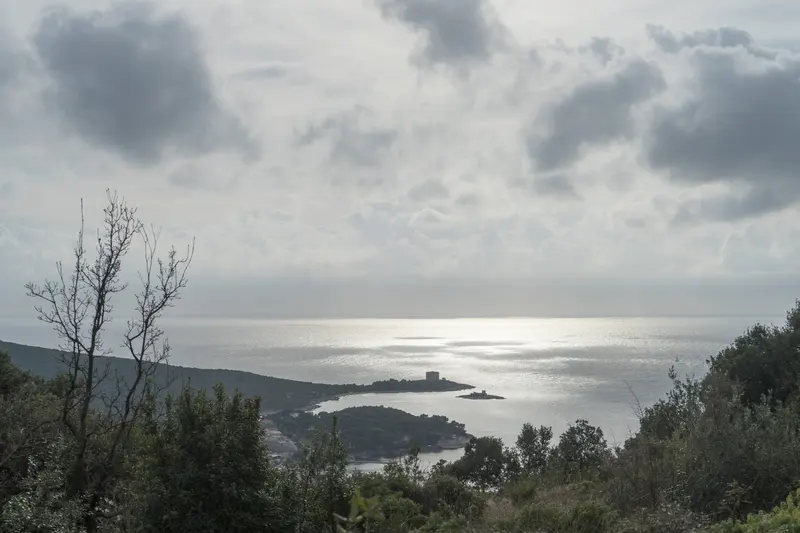 Luštica Peninsula
The headland the cave sits on, and its coves and beaches.
 Kotor to Perast by Boat
By contrast, the short, sheltered inner-bay boat trip.
Map pins
Map data © OpenStreetMap contributors · Tiles © OpenFreeMap
The catch: sea conditions and the right light
Here's the honest part. The Blue Cave is brilliant when conditions align and disappointing — or simply off the menu — when they don't, and you can't control which you'll get. The glow needs bright sunlight and clear, calm water: a sunny morning with a flat sea is ideal, when the light angles in and the seabed reflects strongly. Overcast skies, low sun late in the day, or churned-up water all mute the effect, turning the famous electric blue into something more ordinary.
Worse, because the cave faces open water, even moderate wind and swell make the entrance unsafe, and trips are routinely cancelled or rerouted at short notice in anything but settled weather. This is the single biggest thing to understand before you build a day around it: the inner-bay trips to Perast run almost whatever the weather, but the Blue Cave does not. Go on a calm, bright day, ideally in the morning before the wind picks up, treat the cave as the goal but not the guarantee, and have a plan B you'll be happy with if the sea says no.
- Best conditions: a bright, sunny, calm morning — the blue is strongest with high light and flat water.
- Muted by: cloud, low afternoon sun, or churned-up water.
- Closed by: wind and swell — the cave faces open sea and is unsafe in rough conditions.
- Unlike the sheltered Perast trip, the Blue Cave is frequently cancelled in poor weather — confirm before counting on it.

Swimming inside, and what a visit is like
On most tours the real reward isn't just seeing the cave — it's swimming in it. Boats pause at or just inside the cave and let you slip into the luminous water, and floating there, lit from below in glowing blue while your own limbs shimmer silver, is the moment people remember. The water is deep and clear, the air inside cool and echoey, and it feels a world away from the bright coast outside. If you're a confident swimmer, bring or keep your swimsuit on and don't skip it.
A typical bay-mouth tour gives you a short window in and around the cave — it's not a long stop, partly because other boats are waiting their turn — then continues to a proper swim at a nearby cove. The whole outing from Kotor is a half-day or more, on a fast, sometimes bumpy boat across open water, so it suits travellers happy with a bit of spray and speed. Bring a towel, water, sun protection and a waterproof phone case or a camera you don't mind getting wet, because the inside-the-cave shots are the ones you'll want.
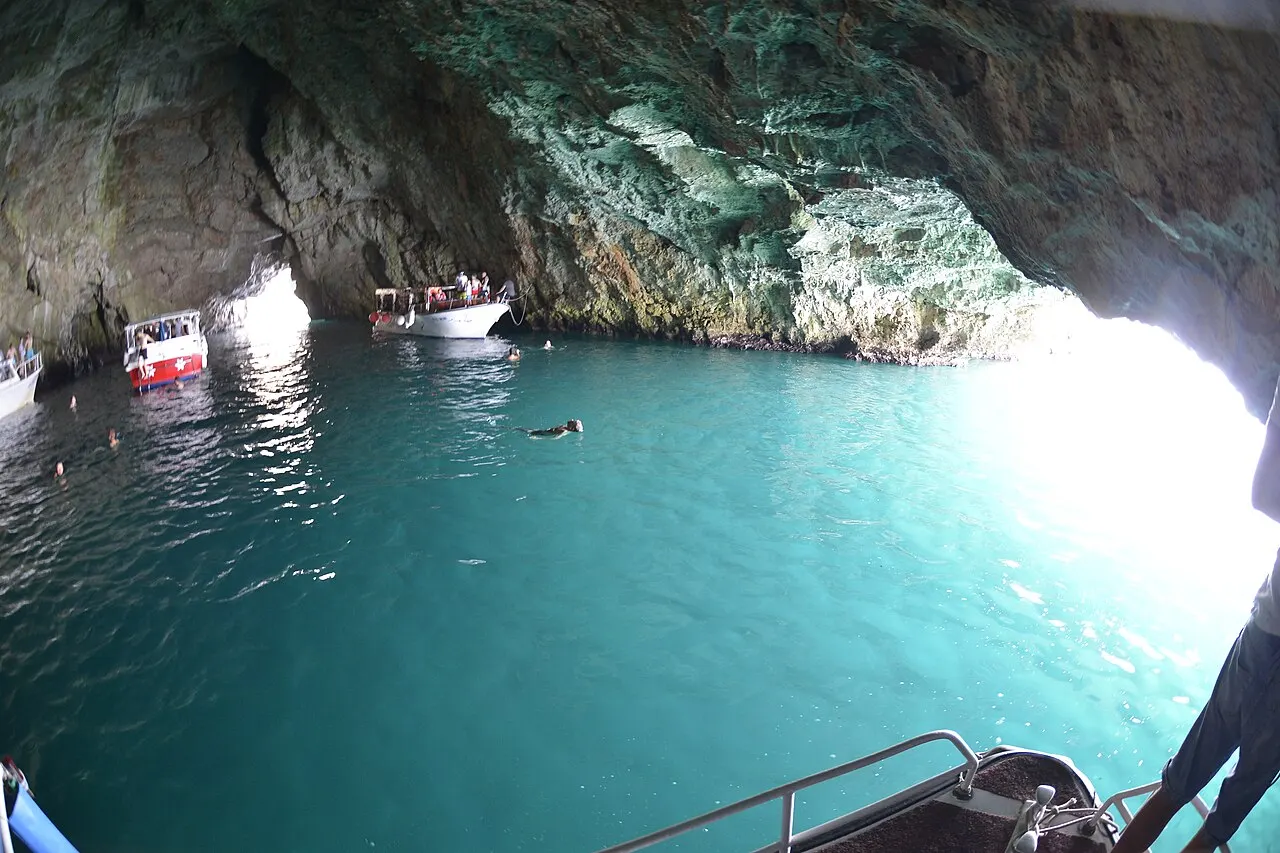
- The highlight is swimming inside — the glowing water and the shimmer on your skin.
- Stops are short (boats queue), then tours usually move on to a cove swim.
- From Kotor it's a half-day-plus on a fast, sometimes bumpy open-water boat.
- Bring swimwear, towel, sun protection and a waterproof case for photos.

Crowds, queues and timing it right
The Blue Cave is no secret. In peak summer it's one of the busiest single attractions in the whole bay, and on a calm sunny day a steady stream of speedboats converges on a fairly small cave, so you'll often wait your turn to enter and share the glowing water with other groups. That doesn't ruin it — the spectacle survives the crowd — but it does change the mood from secluded wonder to popular highlight, and it's worth knowing before you go expecting solitude.
The fix is the same as everywhere on the bay: go early. The first boats of the morning catch the cave at its calmest and least crowded, before the wind builds and before the mid-morning rush arrives. Shoulder-season days — late spring and early autumn — give you settled-enough weather with thinner crowds, and are arguably the sweet spot. Whenever you go, build in flexibility: if your chosen day is windy, push the trip rather than force it, because a calm, bright, early start is the difference between the cave at its best and a flat, ordinary look at a hole in a cliff.
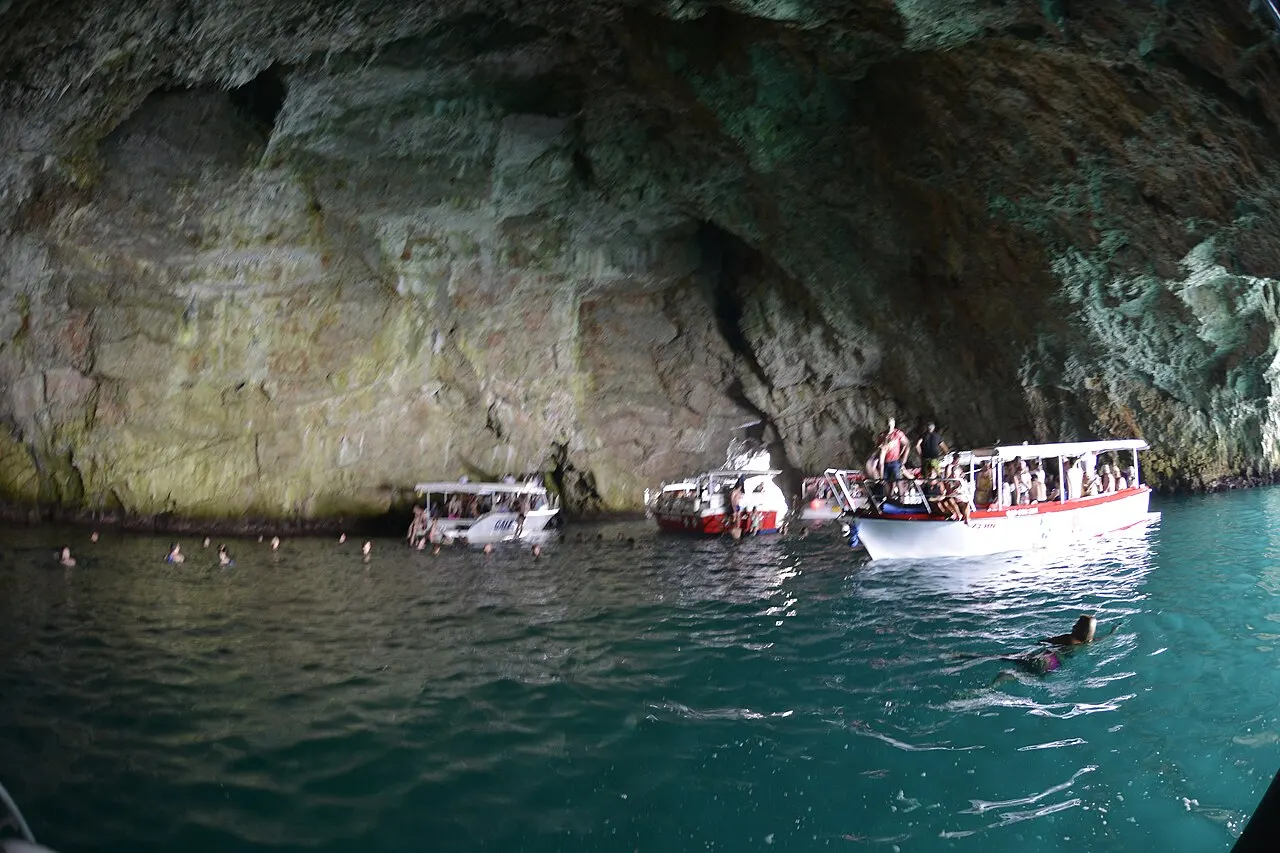
- Peak summer: one of the bay's busiest sights — expect to queue and share the cave.
- Go early: the first boats get the calmest, least crowded, best-lit cave.
- Shoulder seasons (late spring, early autumn): settled weather with fewer crowds — the sweet spot.
- Stay flexible on the date — chase a calm bright morning rather than force a windy day.
Is it worth it? The verdict and the alternatives
So, is the Blue Cave worth it from Kotor? On the right day — calm, bright, early — yes, comfortably so: the swim in glowing blue water and the fast run along the wild outer coast make a memorable half-day, especially for travellers who love being on the sea and don't mind crowds. If that's you, book it, but stay flexible on which day, because the cave only delivers in settled weather.
If your time is short, the sea is rough, or a long, busy, weather-dependent outing doesn't appeal, you lose less than you'd think by skipping it. The sheltered classic — Perast and Our Lady of the Rocks — is shorter, runs almost any day, and is richer in story. For clear-water swimming without the cave, the Luštica coves of Žanjice and Mirište are gorgeous in their own right. And the outer-bay area holds other sights, like the fortress island of Mamula near the bay mouth, that round out a sea day. In short: a wonderful trip when conditions are right, but never the one to stake your whole visit on — keep a happy plan B.
Blue Cave at a glance
Use this card to decide and plan — then verify the volatile details (tour fares, departure points and times, duration, what's included, and above all the day's weather and whether the trip is running) with the operator or on the waterfront, as they change with the season and the sea.
- What: a sea cave on outer Luštica near the bay mouth where the water glows electric blue (Plava Špilja).
- Access: by boat only — usually a speedboat tour; longer from Kotor, shorter from Tivat/Herceg Novi.
- Best conditions: a bright, calm morning; muted by cloud/wind, closed in swell.
- Highlight: swimming inside the glowing water.
- Crowds: very busy in peak summer — go early; shoulder seasons are the sweet spot.
- Bring: swimwear, towel, sun protection, waterproof phone/camera case, some cash.
- Verdict: worth it on the right day — but flexible and weather-dependent, never your whole visit.
- Plan B if rough: Perast & Our Lady of the Rocks (sheltered, reliable) or a Luštica cove swim.
Blue Cave FAQ
Is the Blue Cave in Montenegro worth visiting? On a calm, bright morning, yes — the swim in glowing blue water and the run along the open coast make a memorable half-day. In rough or grey weather it loses its magic, so book it but stay flexible on the day, and keep a plan B like the sheltered Perast trip.
How do you get to the Blue Cave from Kotor? Only by boat. Most people take a speedboat tour that runs down the bay, out past Tivat and the bay mouth, and along the Luštica coast — a half-day or more. Tours also leave from Tivat and Herceg Novi, which are closer to the cave.
Why is the Blue Cave blue? On a sunny day, light enters through the cave mouth and refracts through the clear water, reflects off the pale sandy seabed and floods the cavern with glowing blue light. The effect needs bright sun and calm, clear water to be at its best.
Can you swim in the Blue Cave? Yes — and it's the highlight on most tours. You slip into the luminous water inside the cave; bring swimwear, a towel and sun protection. It suits confident swimmers.
When is the best time to visit? A bright, calm morning, before the wind builds and the crowds arrive. Late spring and early autumn give settled weather with fewer people. The cave is at its busiest in peak summer, when boats queue to enter.
Is the Blue Cave ever closed? Effectively yes — because it faces open sea, trips are cancelled or rerouted in wind and swell. Unlike the sheltered inner-bay trips, the Blue Cave is weather-dependent, so always confirm the trip is running before you build your day around it.
What else can I see on the same trip? Most cave tours add a swim at a nearby Luštica cove like Žanjice or Mirište, and the bay-mouth area also holds sights such as the fortress island of Mamula — so it's usually a varied sea day, not just the cave.

Bay of Kotor Boat Tours
Compare the kinds of boat trip on the Bay of Kotor: shared group tours, fast speedboat trips, private charters, the Perast and Our Lady of the Rocks classic, the Blue Cave route, and sunset cruises — what each suits, rough durations and the weather caveat.
Read guideLuštica Peninsula
A guide to the Luštica peninsula at the mouth of the Bay of Kotor: its clear open-sea beaches and coves like Žanjice, Mirište and Rose, the Blue Cave, the quiet hill villages and olive groves, the drive-versus-boat decision, and when it's worth leaving the inner bay.
Read guide
Kotor with Teens
Active, photogenic Kotor for teenagers — the city-walls climb to St John Fortress, boat tours and the Blue Cave, kayaking and paddleboarding on the bay, the best viewpoints, and the after-dark town.
Read guideMore in Bay of Kotor
6
Best Swimming Spots in the Bay of Kotor
The best places to swim in the Bay of Kotor, compared by access, water, shade, families, boat traffic and view: the Dobrota platforms, the Muo and Prčanj rocks, the quiet Stoliv, Orahovac and Ljuta coves, and the clear-water Luštica beaches out toward the open sea.
Read guide
Kayaking & SUP in Kotor Bay
Where paddling works in the Bay of Kotor: the sheltered inner bay off Dobrota, Muo and Prčanj, the beginner-friendly routes, the all-important morning-wind safety rule, what to rent and which guided trips to join, and who kayaking and stand-up paddleboarding suit.
Read guide
Kotor Sunset Cruise Guide
When to book a sunset cruise in Kotor and what route to choose: why the bay is at its most beautiful at golden hour, the Perast run versus the open-bay loop, group boats versus going private, and how the high mountains change the sunset itself.
Read guideKotor to Perast by Boat
Every way to get from Kotor to Perast and Our Lady of the Rocks: boat tours (shared and private), the bay bus, taxi and driving — with steps, rough durations and the catch that there is no scheduled passenger ferry.
Read guide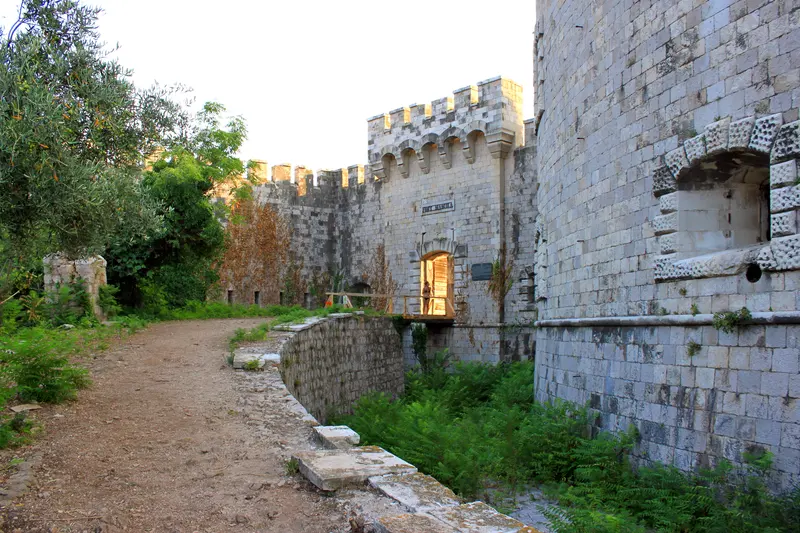
Mamula Island
Understanding Mamula, the fortress island at the mouth of the Bay of Kotor: its Austro-Hungarian fort, its dark wartime past, the recent hotel conversion and the controversy around it, and how to see it from the water on a bay-mouth boat tour.
Read guide
Our Lady of the Rocks
A guide to Our Lady of the Rocks off Perast: the legend and the votive stones that built the islet, the 17th-century church, its icon, silver tablets and museum, the short boat across, the Fašinada ritual, and how to time and photograph a visit.
Read guide