
Old Town Restaurants in Kotor
How to eat well inside Kotor's walled Old Town without settling for the busiest, priciest plaza tables: the square-versus-lane trade-off, timing dinner around the cruise crowds, what to order, and how to read a menu and a fish bill priced by the kilo.

Photo: Fatih Beki / Unsplash
- ✓Eating inside the walls is about atmosphere — the romance of dining on a lamplit medieval square — and you pay a premium for the most central tables.
- ✓Step one lane back from the main squares and you find quieter konobas serving the same regional cooking for better value.
- ✓Time it around the cruise rhythm: the squares are fullest at midday on port days and quietest, calmest and most romantic after the last ship sails.
- ✓Order the bay: buzara mussels, fresh fish priced by the kilo, Njeguši pršut and cheese, and a glass of Vranac.
- ✓Book ahead on summer and cruise nights, check whether fish is priced per kilo before ordering, and carry some cash for smaller konobas.
What eating inside the walls is really for
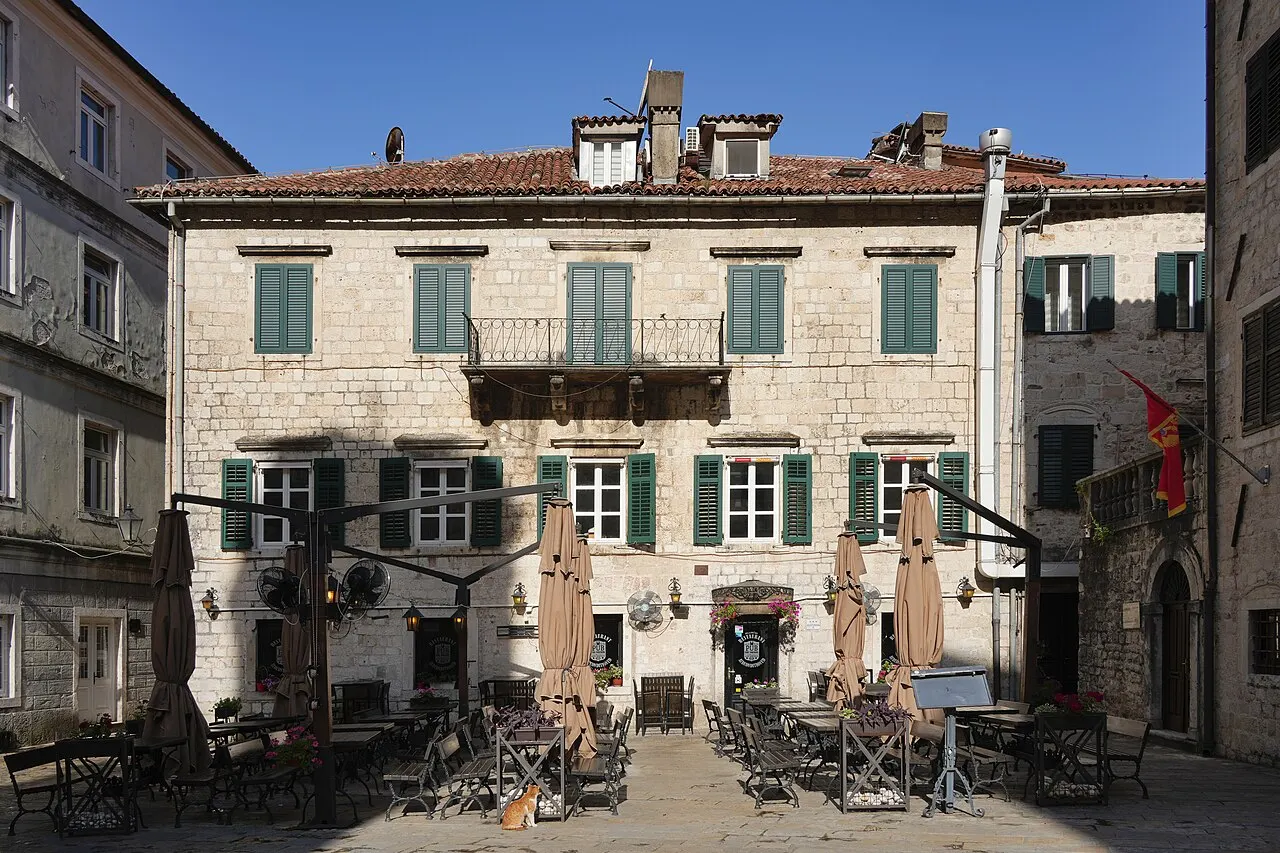
Dining in Kotor's Old Town is, first and foremost, about the setting. You are eating inside a UNESCO-listed walled town that navigates by squares rather than streets, where the stone glows in the evening, the cats patrol between the tables, and St John Fortress hangs lit above the rooftops. No waterfront terrace out in the bay can give you that particular magic — the feeling of being folded into the middle of the postcard. That is the reason to eat within the walls, and on a first night in Kotor it is reason enough.
What the Old Town cannot give you is a sea view or, on a busy day, much peace. Its lanes look at carved stone, not water, and at midday on a cruise call the central squares are at their most crowded and most expensive. So the art of eating well inside the walls is not about hunting for one secret restaurant; it is about understanding the simple geography and timing of the place — where the premium tables are, where the calmer and cheaper ones hide, and when the whole town shifts from packed to hushed. Get those right and the Old Town serves up some of the loveliest meals of any trip.


The square-versus-lane trade-off
The single most useful thing to understand about eating in the Old Town is the premium on the main squares. Tables on Arms Square, Flour Square and the cathedral square carry the highest prices in town and draw the heaviest crowds, because you are paying for the most theatrical location inside the walls. That can be exactly right for a celebratory first dinner or a long lunch spent watching the town go by — just go in knowing the surcharge is for the address, not necessarily for the cooking.
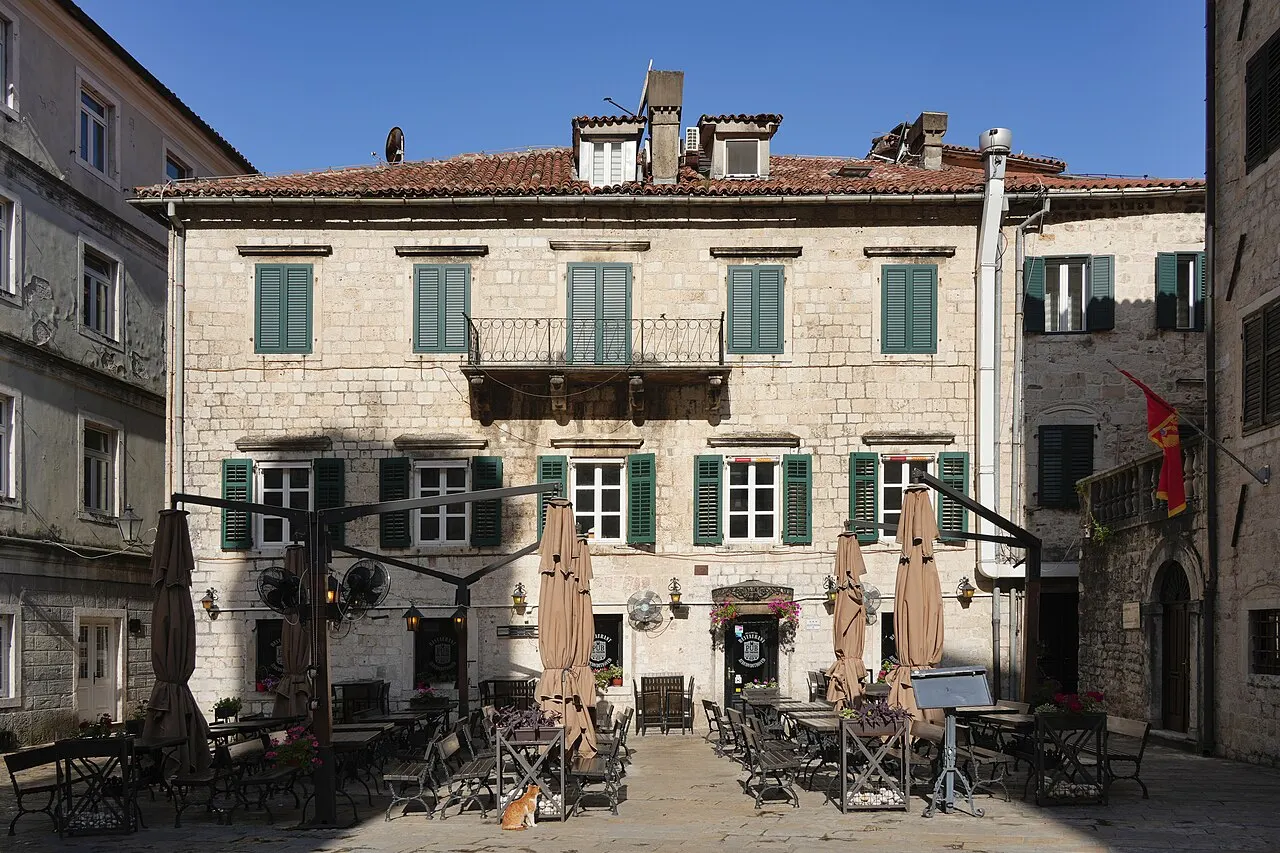
Step one lane back and the maths changes. In the side alleys threading off the squares sit quieter konobas, many family-run, serving the same coastal and mountain cooking — buzara, grilled fish, pršut and cheese — at calmer tables and gentler prices. You lose a little of the square's buzz and gain a great deal of peace, value and, often, food cooked with more care than the high-turnover central terraces can manage. A good rule of thumb: if you can hear yourself think and a local family is eating at the next table, you have probably found the better spot.
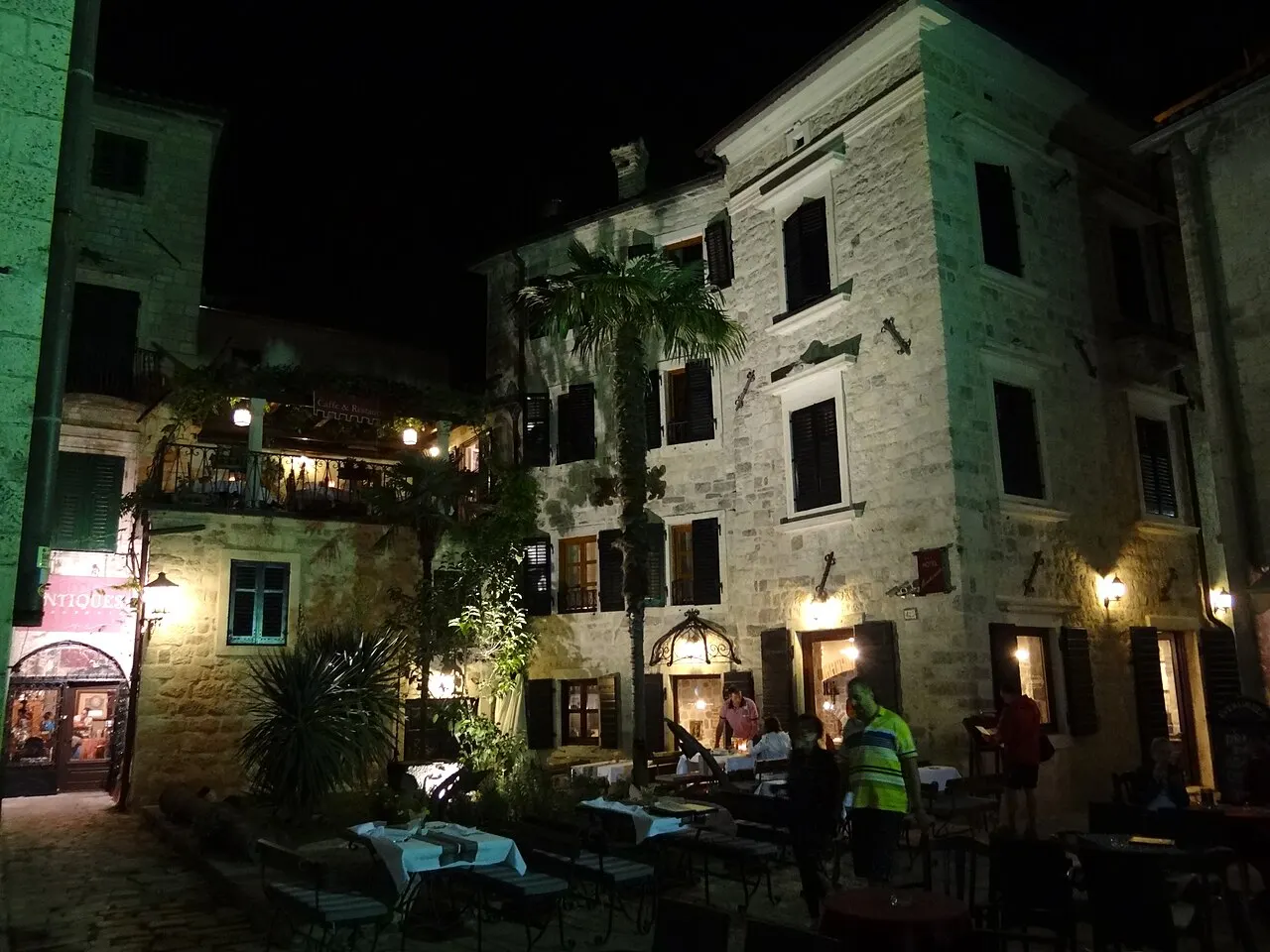
- Main squares: peak atmosphere and theatre, top prices, busiest crowds.
- Side lanes one street back: same regional cooking, calmer, better value, often family-run.
- Rule of thumb — quieter table plus local diners usually means the better meal.
 Best Restaurants in Kotor
The full decision guide across the bay — atmosphere, view, seafood, romance and budget.
 Budget Food in Kotor
Bakeries, the market and value konobas for eating cheaply inside and around the walls.
Map pins
Map data © OpenStreetMap contributors · Tiles © OpenFreeMap
Timing dinner around the cruise rhythm
Timing matters as much as location inside the walls, because the Old Town's mood swings hard across the day. On a cruise-call morning, hundreds of passengers land into the same compact, car-free town at once, and the squares are at their busiest, hottest and most pressured around the middle of the day. That is the worst window for a relaxed meal — and the easiest to avoid once you know it is coming. Check the day's cruise calls and plan your big meals around them rather than into them.
The reward for timing it right is the best-kept secret of eating in Kotor: the town after the ships leave. As the last tender pulls away in the late afternoon, the Old Town exhales. The squares that felt packed at noon empty into a hush of lamplight and cats, the air cools, and the lanes become the kind of place to settle in for a long, unhurried dinner for two. Breakfast and early-morning coffee on a square, before the first ship, share the same quiet magic. Aim for the early and late edges of the day, leave the crowded middle for a market picnic or a wander, and the Old Town becomes a far more romantic place to eat.
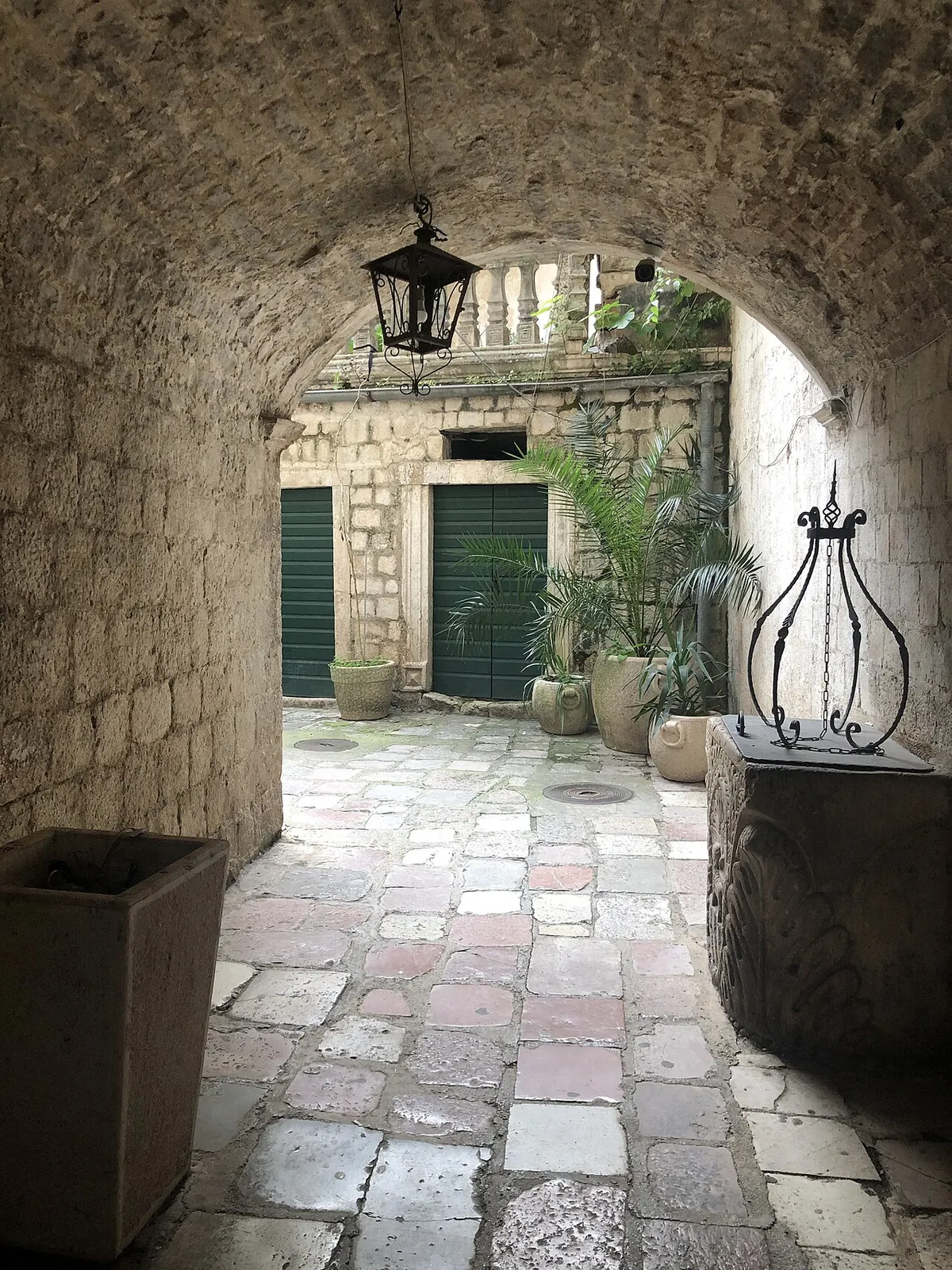
- Avoid the midday window on cruise days — the squares are at their fullest and hottest.
- Eat early or, best of all, late: after the ships sail, the lanes turn quiet and lamplit.
- Check the day's cruise calls and plan dinner around them.

What to order inside the walls
Order the bay and the mountains, and you will eat the real Kotor. The dish to start with is buzara — mussels or mixed shellfish simmered in white wine, garlic and olive oil and served in the pan with bread to mop up the broth — the most local plate in town and made to be shared. From there the Adriatic repertoire opens up: black cuttlefish risotto, grilled squid and calamari, and whole fresh fish brought to the table to be chosen. For a meze board, the mountain village of Njeguši above town supplies the classics — air-dried pršut and firm, salty cheese, with olives, bread and local oil.
Drink local while you are at it: Vranac, the country's robust red, stands up to grilled fish and mountain meat alike, while Krstač and the crisp coastal whites suit a warm evening on a square. Finish, if you dare, with a small rakija, the local fruit brandy. The off-square konobas and the wine bars are the easiest places to assemble a proper Boka spread without the central-terrace markup — and a plate of pršut and cheese with a glass of Vranac, eaten slowly as the town quiets down, is one of the great cheap pleasures of the Old Town.
- Start with buzara — the bay's signature mussels-in-the-pan, made for sharing.
- Order fresh fish, grilled squid or cuttlefish risotto, plus a Njeguši pršut and cheese board.
- Drink Vranac (red) or Krstač (white); finish with a rakija if you are feeling brave.


Reading the menu, the bill and the small print
A few practical habits keep an Old Town meal from souring at the end. The big one is fish priced by the kilo: whole fresh fish is very often sold by weight, not as a fixed plate, so the menu price is per kilo and your portion is weighed before cooking. Always ask what a whole fish will roughly cost before you commit, and confirm whether the figure is per kilo — it is the single most common source of a surprise bill in Adriatic towns, and a moment's question avoids it entirely. The same goes for the day's specials, which may not carry prices on the board.
Otherwise, the rhythm is relaxed and the etiquette light. Bread and a cover charge are common; tipping is appreciated but modest, with rounding up or roughly ten percent the norm. Cards are widely accepted, but smaller family konobas in the lanes may prefer cash, so keep some on you. Book ahead for dinner on summer and cruise nights, when the best tables — square and lane alike — fill fast. And as everywhere on this site, we keep specific prices, hours and venue names out of the running text because they move with the season; verify them on the day, and let the geography and timing here, not a fragile ranking, guide where you sit.
- Ask whether whole fish is priced per kilo, and roughly what your portion will cost, before ordering.
- Expect a bread/cover charge; tip by rounding up or about ten percent.
- Book ahead on busy nights, carry cash for small konobas, and verify prices and hours on the day.


Staying in Kotor Old Town: The Area Guide
What it is really like to stay inside Kotor's walls: the romance and the cruise crowds, the night noise and the early-morning magic, the stairs and the no-car access, and the sightseeing logic that makes the Old Town worth it — or not — as a base.
Read guideBest Restaurants in Kotor
How to choose the best restaurant in Kotor for your evening: Old Town squares versus quiet side-lane konobas, the bay waterfront and Perast for the view, the best seafood, romantic tables for two, family-friendly rooms, and where to eat well on a budget.
Read guide
Kotor at Night
Kotor after dark: the floodlit fortress and walls tracing the mountainside, the quiet lamplit Old Town once the ships sail, wine bars and konobas, blue-hour photography from the bay, live music in the squares, and where the nightlife gets loud.
Read guide