
Dubrovnik to Kotor
How to get from Dubrovnik to Kotor: the cross-border bus, the hire car, the private transfer, the two border crossings and their summer queues, whether it works as a day trip, and when staying overnight is the better call.

Photo: Laurynas Žižys / Unsplash
- ✓Dubrovnik and Kotor sit roughly 90 km apart by the coast road — close on the map, but separated by an international border between Croatia and Montenegro.
- ✓Allow far more time than the distance suggests: the road is winding and slow, and the border crossing can add anything from minutes to a long wait in summer.
- ✓Your three realistic options are the cross-border bus, a self-drive hire car, or a private transfer or tour — each trades cost against comfort and flexibility.
- ✓There are two crossings on this route — the busy main one at Debeli Brijeg and the smaller Kobila–Konfin coastal one — and the queue at either can make or break the day.
- ✓It works as a long day trip, but the border, the road and the drive back eat the clock; for a relaxed first taste of Kotor, an overnight is the kinder plan.
- ✓Carry your passport, check that a hire car is permitted to cross into Montenegro, and verify fares, timetables and any green-card insurance requirements before you go.
Two famous walled towns, one international border
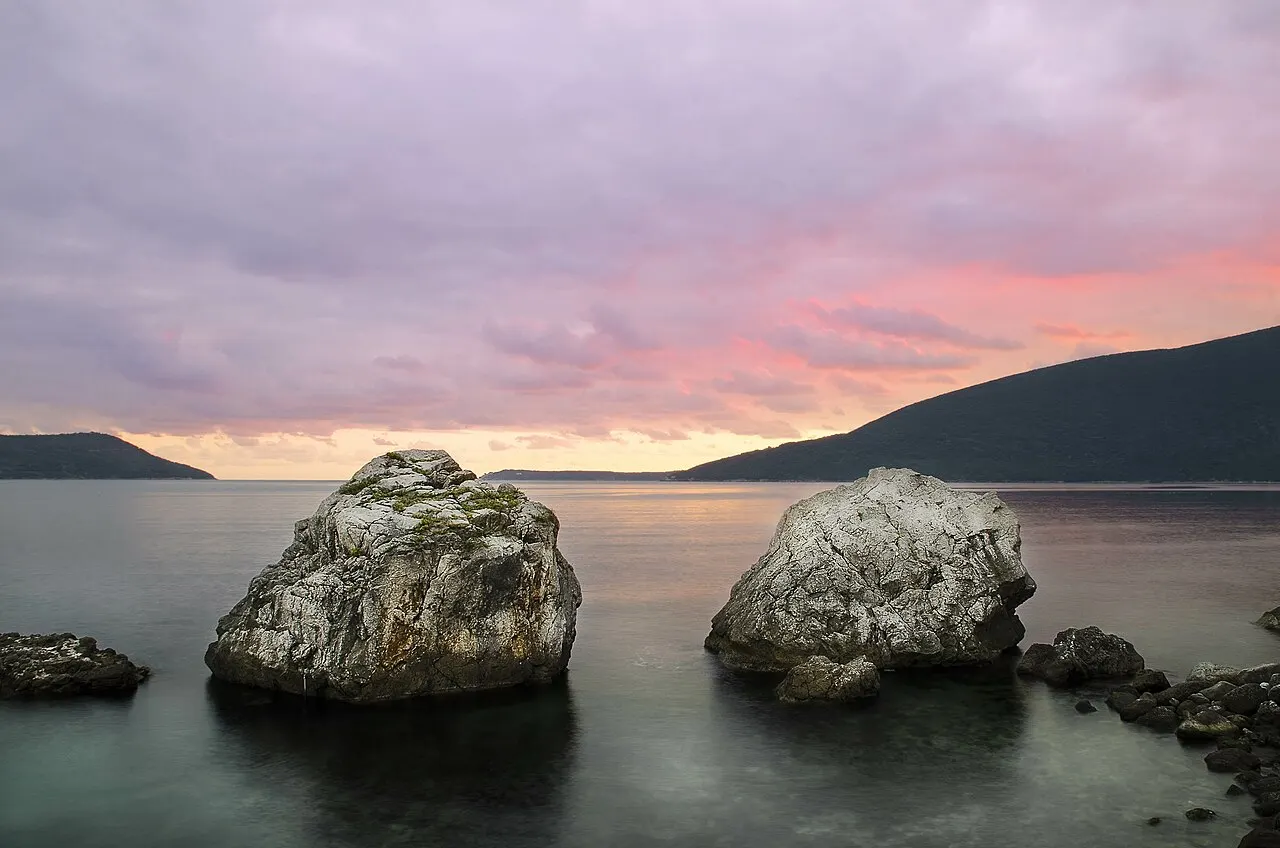
On paper, Dubrovnik to Kotor looks effortless: two of the Adriatic's great walled towns, barely 90 km apart, strung along the same dazzling coast. In practice the journey has two complications the map hides. The first is the road, which winds along headlands and around the long mouth of the Bay of Kotor rather than running straight. The second is the border: Dubrovnik is in Croatia, Kotor is in Montenegro, and you cross between two countries on the way. Get those two things into your planning and the trip becomes easy; ignore them and you risk a frustrating day.
None of this should put you off — the drive is one of the most beautiful on the whole coast, and the contrast between Dubrovnik's marble and Kotor's mountain-shadowed lanes is exactly why people make the trip. It just rewards a little forethought. Below are the three ways to do it, the border reality, the day-trip verdict and the case for staying the night.
Option one: the cross-border bus
The simplest no-car option is the direct bus. Coaches run between Dubrovnik's main bus station and Kotor along the coast, handling the border crossing for you — everyone files off or shows passports at the checkpoint, then reboards. It is the cheapest way across and removes any worry about driving an unfamiliar mountain road or paying border insurance on a hire car. You simply sit back and watch the coast unfold.
The trade-off is rigidity and time. Departures are limited rather than frequent, the journey is unhurried, and a busy summer border can stretch it further, so you are tied to the timetable at both ends. Buy your ticket in advance in high season, keep your passport in your pocket rather than your hold luggage, and check whether your bus terminates at Kotor or continues down the coast. We keep the timetable and fare out of the prose because they shift by season and operator — verify both before you build a day around them.
- Cheapest cross-border option; the driver and crew handle the formalities at the checkpoint.
- Limited daily departures — buy ahead in summer and plan around the timetable at both ends.
- Keep your passport accessible, not packed in the hold.
- Verify the current schedule, fare and exact Kotor drop-off point before you travel.
 Kotor Bus Station Guide
Where the bus drops you, and how Kotor's station works on arrival.
 Kotor Without a Car
How to enjoy the bay on buses, boats and your own two feet.
Map pins
Map data © OpenStreetMap contributors · Tiles © OpenFreeMap
Option two: driving yourself
A hire car gives you the freedom the bus cannot — to stop at the viewpoints, to detour into Perast on the way in, to leave when you like. The coast road south from Dubrovnik is spectacular, and once you reach the bay you can take the Kamenari–Lepetane ferry across the bay mouth to shortcut the long drive around the inner basins. It is the most flexible way to make the trip, and the most romantic if you are not in a hurry.
But driving across the border carries its own admin. If you rent in Croatia, you must confirm with the rental company that the car is permitted to cross into Montenegro and that you carry the right insurance — a green card or equivalent — or you can be turned back or stung at the frontier. Add the border wait, the winding road, and Montenegro's narrow, busy bay lanes, and the self-drive day is rewarding but long. Park outside Kotor's car-free Old Town when you arrive, and verify the cross-border insurance rules with your rental firm before you set off.
- Maximum flexibility — stop, detour and time the day yourself.
- Confirm with the rental company that the car may cross into Montenegro, with valid cross-border insurance (green card).
- Consider the Kamenari–Lepetane ferry to shortcut the inner-bay drive.
- Kotor's Old Town is car-free — plan to park outside the walls.
Option three: private transfer or guided tour
If you would rather hand the whole thing over, a private transfer or a small-group tour is the path of least resistance. A driver meets you in Dubrovnik, knows the border, often picks the quieter crossing on a busy day, and delivers you to your Kotor door — and many transfers double as a tour, pausing at the bay's best viewpoints and at Perast along the way. For couples, families with luggage, or anyone who simply does not want to drive a foreign mountain road, this is the smoothest option.
It is also the priciest per head, and a guided day tour will set the pace and the stops rather than you. Booking ahead matters in summer, both for availability and to lock in the route. As ever, we keep prices out of the prose; get a firm quote, confirm that the operator handles the border paperwork, and check whether the trip is a straight transfer or a tour with stops.
- The most comfortable, door-to-door choice — and often a scenic tour in disguise.
- A good driver knows the border and can pick the faster crossing on a busy day.
- Most expensive per person; a tour sets the pace and the stops.
- Book ahead in summer; confirm whether it is a transfer or a tour, and that paperwork is handled.
The border: crossings, queues and what to carry
The border is the single thing most likely to shape your day, so plan for it. There are two crossings on this route. The main one at Debeli Brijeg, on the principal coast road, is the busiest and can build long queues at peak summer times, especially mid-morning and late afternoon when the day-trip traffic bunches up. The smaller Kobila–Konfin crossing, closer to the coast near Herceg Novi, is quieter and can be far quicker — a good driver or transfer will sometimes choose it to dodge the worst of the wait.
Whichever way you cross, the essentials are the same. Everyone needs a passport (an ID card is not enough for this frontier), and there are formalities on both the Croatian and Montenegrin sides. Crossing times are genuinely unpredictable: minutes off-season, potentially an hour or more on a hot August afternoon. The honest planning move is to go early, build a generous buffer, and not schedule anything tight on either side of the border. Verify current crossing requirements before you travel, as border rules and documentation can change.
- Two crossings: busy Debeli Brijeg on the main road, and the quieter coastal Kobila–Konfin near Herceg Novi.
- Carry a passport — an ID card alone will not do for this border.
- Queues swing from minutes off-season to an hour or more on a peak summer afternoon.
- Cross early, leave a buffer, and verify current border requirements before you go.

Day trip or overnight? An honest verdict
Can you do Dubrovnik to Kotor and back in a day? Yes — and plenty of people do. But be clear-eyed about it. Between the winding road each way and a border crossed twice, a self-driven or bussed day leaves you only a few hours in Kotor itself, and any summer queue erodes that further. You can see the Old Town, perhaps climb a stretch of the walls or take a quick Perast boat, but you will be watching the clock, and the long drive back comes when you are tired.
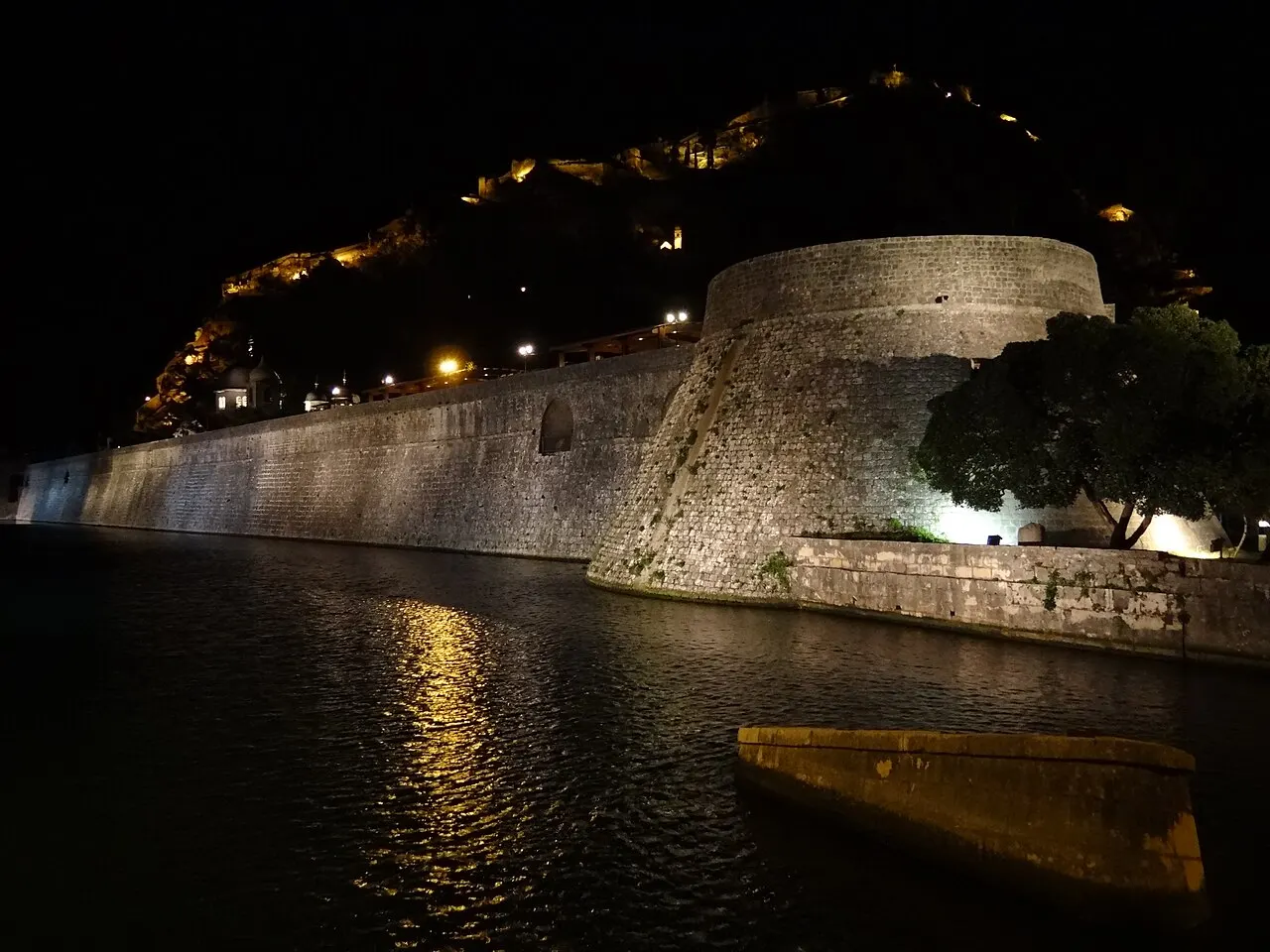
Our honest steer: if Kotor is the point of your trip, give it a night. Stay over and you get the thing the day-trippers never see — the walled town at dusk after the cruise crowds and tour buses have left, the lanes quiet and lamplit, a slow dinner by the water, and the walls climb at sunrise with the stone still cool. If you are short on time and Kotor is one stop among many, the day trip is a fair compromise; if you can spare it, the overnight is the version that makes you fall for the bay.
- Day trip: doable, but the road and border leave only a few hours in town — and a tiring drive back.
- Overnight: the quiet, lamplit Old Town at dusk and the sunrise walls climb that day-trippers miss.
- Short on time, many stops: the day trip is a fair compromise.
- Kotor as the destination: stay the night — it is the version that wins you over.
Dubrovnik to Kotor at a glance
Use this card to pick your method and set expectations. The geography, the border points and the road are evergreen; the volatile details — bus and transfer fares, timetables, crossing times and rental insurance rules — change, so verify them from official and operator sources before you rely on them.
- Distance: roughly 90 km by the coast road — but slow, winding and crossing an international border.
- Three ways: cross-border bus (cheapest), self-drive hire car (most flexible), private transfer/tour (most comfortable).
- Border: two crossings (Debeli Brijeg and the quieter Kobila–Konfin); passport required, queues unpredictable in summer.
- Self-drive: confirm the car may cross into Montenegro with valid green-card insurance.
- Verdict: feasible as a long day trip, but an overnight in Kotor is the far better experience.
- Verify locally: fares, timetables, transfer quotes, crossing requirements and rental cross-border rules.

Dubrovnik Day Trip from Kotor
Making Dubrovnik a day trip from Kotor: the cross-border distance, the two crossings and their summer queues, tour versus self-drive, how the day shapes up, and an honest verdict on when it is simply too ambitious.
Read guide
How to Get to Kotor
How to get to Kotor: the three nearest airports — Tivat, Podgorica and Dubrovnik across the border — plus bus, car, cruise ship and private transfer, with a practical FAQ.
Read guide
Two Days in Kotor
A balanced 48-hour plan for Kotor: day one for the town — Old Town, the walls, a long lunch, the evening lanes; day two for the bay — a boat to Perast and the islands, a swim, a sunset climb and a relaxed waterfront dinner.
Read guideMore in Practical
6
Accessible Kotor Travel Guide
An honest accessibility guide to Kotor — the flat-but-cobbled Old Town, the stair-only fortress climb, cruise-port access, taxis and transfers, level waterfront walks, museums, accessible hotels, and realistic routing that plays to the town's strengths.
Read guide
Best Time to Visit Kotor
A month-by-month guide to the best time to visit Kotor, weighing cruise crowds, fortress-climb heat, boat-trip and swimming season, rain, prices and the bay's calendar of events.
Read guide
Driving in Kotor and Montenegro
What it's really like to drive in Kotor and Montenegro: narrow two-lane bay roads and summer traffic, the white-knuckle serpentine, tunnels, the Kamenari–Lepetane ferry shortcut, rental and cross-border cautions, parking, fuel and mountain-route planning.
Read guide
Getting Around Kotor
How to get around Kotor and the Bay of Kotor: when to walk, take a local bus, hail a taxi, hop a boat, drive and park, use the Kamenari–Lepetane ferry, or book a private driver.
Read guide
Is Kotor Safe?
Practical, honest safety advice for Kotor — wandering the Old Town, night walks, boat trips, the fortress climb, driving the mountain roads, solo and female travel, and cruise-day crowds.
Read guideKamenari–Lepetane Ferry Guide
The Kamenari–Lepetane car ferry across the mouth of the Bay of Kotor: where it runs, when it saves real time versus driving around, how to use it step by step, what to verify, and when the scenic shoreline drive is the better choice.
Read guide