
Is Kotor Safe?
Practical, honest safety advice for Kotor — wandering the Old Town, night walks, boat trips, the fortress climb, driving the mountain roads, solo and female travel, and cruise-day crowds.

Photo: vadym merzlikin / Unsplash
- ✓Kotor is generally a very safe place to visit — violent crime against tourists is rare, and most visits pass without any trouble at all.
- ✓The real risks here are environmental rather than criminal: slick cobbles, the fortress climb's heat and exposed edges, the mountain roads, and the sea.
- ✓Petty pickpocketing can happen in the busiest cruise-day crush, as in any tourist hotspot — basic care with valuables is enough.
- ✓The Old Town is pleasant and walkable at night, well used by locals and visitors; the main night-time hazards are the dark, uneven stone and the late-night party noise.
- ✓Solo and female travellers generally report feeling comfortable in Kotor — the usual sensible precautions apply, but it's a relaxed, low-key destination.
Is Kotor safe for tourists overall?
Yes — Kotor is generally a very safe destination, and Montenegro as a whole has a reputation as a low-crime, welcoming country for visitors. Violent crime against tourists is rare, the Old Town is a tight, busy, well-policed pedestrian zone, and the overwhelming majority of visits pass without any incident at all. You can wander the lanes, sit out late over dinner and explore the bay with the same easy confidence you'd bring to a popular Mediterranean town. The warm, romantic mood of the place is not a façade over hidden danger; it's genuinely a gentle spot.
The useful reframe is that Kotor's real risks aren't about crime — they're environmental. The things most likely to spoil a trip here are a slip on polished stone, heat exhaustion or a stumble on the exposed fortress climb, a hairy moment on a narrow mountain road, or getting caught out by the sea or the weather. Manage those sensibly and you've handled the bulk of what actually goes wrong in Kotor. The rest of this guide walks through the specific situations, with the petty-theft caveat that applies in any crowded tourist hotspot.


Is it safe to walk around Kotor at night?
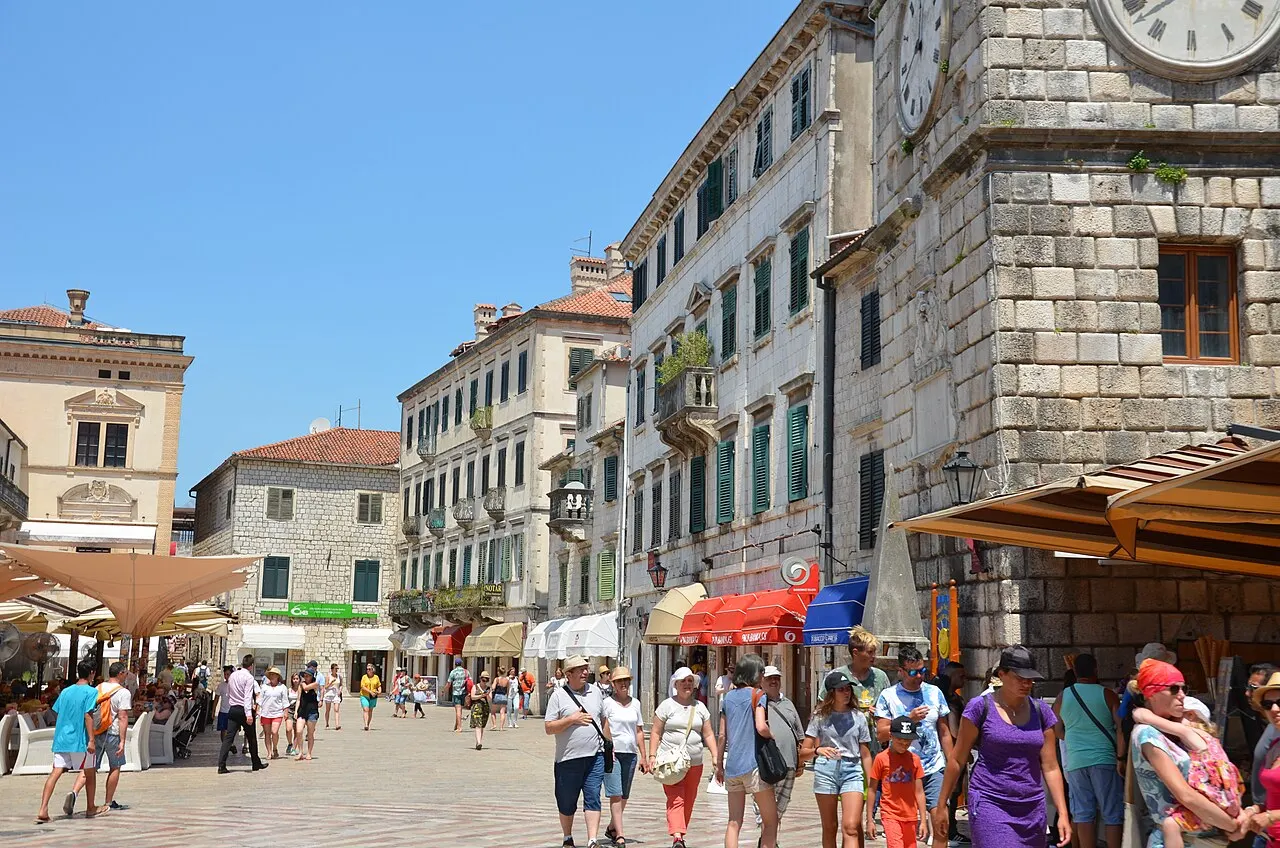
Generally, yes. The Old Town stays lively into the evening, well used by locals and visitors alike, and a night walk through the lamplit lanes after the day boats have gone is one of the most romantic things to do in Kotor. The town's compact, pedestrian core feels comfortable after dark, and the bay-side promenades and the main squares are pleasant places to be in the evening. Violent street crime is not the worry here that it might be in a bigger city.
The genuine night-time hazards are mundane: the cobbles are even slicker and harder to read in the dark, so watch your footing, especially after rain; the side alleys are dimly lit; and the busiest bars can carry late-night noise and the occasional over-refreshed reveller, more an annoyance than a danger. Use the same common sense you would anywhere — stick to lit, used routes late at night, keep an eye on your drink in busy bars, and don't go scrambling on the unlit walls or rocks after dark. Do that and Kotor's nights are a pleasure rather than a risk.
- The Old Town is lively and comfortable after dark — night walks are a highlight, not a hazard.
- Watch your footing: the cobbles are slicker and harder to see at night, worse after rain.
- Late-night noise near the busiest bars is the main nuisance; keep an eye on your drink.
- Avoid the unlit walls, rocks and trails after dark.
 Kotor at Night
The lamplit lanes and where to go after dark.
 Best Bars in Kotor
Where the evening crowd gathers — and where it gets noisy.
Map pins
Map data © OpenStreetMap contributors · Tiles © OpenFreeMap
Is the fortress climb and the bay safe?
Both are safe when treated with respect, and the dangers are physical, not criminal. The climb to St John Fortress is roughly 1,350 uneven stone steps with little shade and some exposed edges, so the real risks are heat exhaustion in summer, a slip on the worn or wet stone, and over-exertion for anyone unfit or with a heart or breathing condition. Climb early or late to dodge the midday heat, carry plenty of water, wear proper grippy shoes, take it at a steady pace, and keep children close near the drops. In the wet, the stone gets slick and the climb is sometimes not worth the risk.
On the water, the bay's sheltered inner basins are usually calm and the boat trips are well run, but the sea still deserves caution. Conditions change with the wind, open-water trips out toward the Blue Cave can be rough or cancelled, and swimming from the rocky coves means watching for slippery rocks, boat traffic and the odd cool current where springs feed in. Use licensed operators, wear a life jacket if offered, don't swim out into boat lanes, and confirm a trip is actually running before you commit. Both the climb and the bay are wonderful and entirely safe with ordinary care.
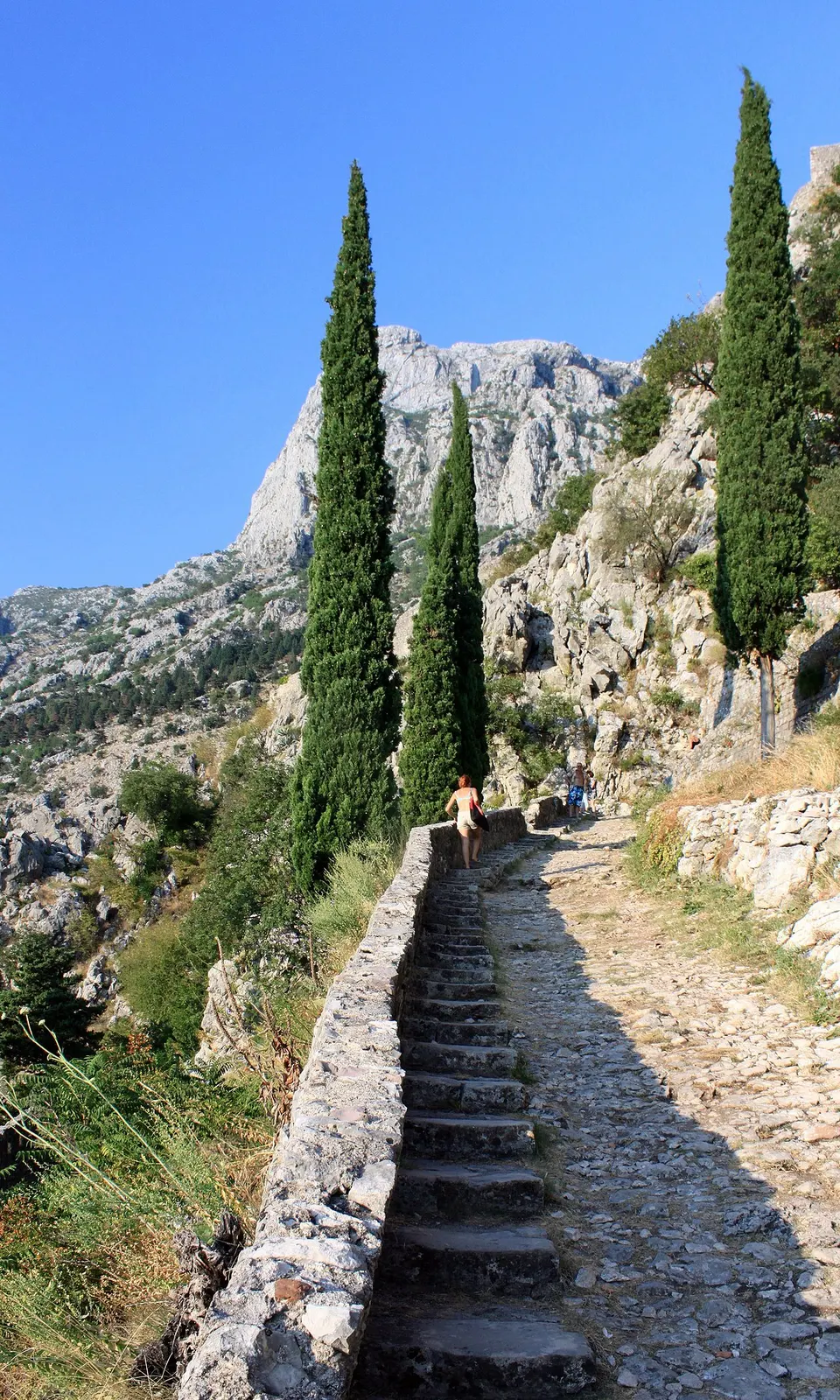
- Fortress climb: the risks are heat, slips and over-exertion — climb early/late, carry water, wear grippy shoes.
- Keep children close near the climb's exposed edges; the wet stone is slick.
- On the water, use licensed operators and confirm trips are running before you pay.
- Watch for slippery rocks, boat traffic and cool currents when swimming.


Is it safe to drive around Kotor and the bay?
Driving in and around Kotor is straightforward for a confident driver, with a couple of honest caveats. The bay road is narrow, winding and busy in summer, with tour buses, parked cars and pedestrians to negotiate, so it demands attention rather than skill. The bigger challenge is the mountain roads — above all the old serpentine up to Njeguši and Lovćen, a steep, narrow, exposed route with tight hairpins and low or absent barriers above big drops. It's exhilarating for a capable driver in good weather and genuinely daunting for a nervous one, and it's no place for fog, ice or after-dark driving.
The sensible approach: drive defensively, don't rush the bends, use the marked pull-outs to let faster locals pass, and never park or stop in the Old Town, which is car-free. If you're not comfortable with mountain hairpins, hand the high roads to a guided trip or a taxi rather than white-knuckling it — a stressed driver is also a less safe one. Keep your rental and insurance papers in order, watch the weather for the heights, and you'll be fine. We don't print volatile rules or fines; verify the current driving regulations before you go.
- The bay road is narrow and busy in summer — drive attentively, not fast.
- The serpentine to Njeguši/Lovćen is steep and exposed — only drive it confident and in good weather.
- Avoid the mountain roads in fog, ice or after dark; hand them to a guide or taxi if unsure.
- Never drive into the car-free Old Town; verify current driving rules and fines before you go.
Is Kotor safe for solo and female travellers?
Broadly, yes. Solo travellers, including solo women, generally report feeling comfortable and unbothered in Kotor — it's a relaxed, low-key, sociable place where wandering alone, eating alone and joining a group boat trip all feel easy and normal. Harassment is not a notable problem, the Old Town is busy and well used into the evening, and the small scale of the town means you quickly get your bearings. Many solo and female visitors rate the bay among the more comfortable places to travel alone in the region.
The precautions are the universal ones rather than anything Kotor-specific: keep to lit, used routes late at night, watch your drink in busy bars, trust your instincts, and tell someone your plan if you head out alone on the climb or a remote trail. Keep your accommodation and key documents details to hand. As a low-crime destination with a gentle atmosphere, Kotor is a reassuring place to explore solo — the headline risks remain the cobbles, the climb, the road and the sea, not the people.
- Solo and female travellers generally feel comfortable; harassment isn't a notable issue.
- Use the usual precautions: lit routes at night, watch your drink, trust your instincts.
- Tell someone your plan before a solo climb or a remote trail.
- The main risks are environmental, not social.
What about pickpockets, crowds and emergencies?
Petty theft is the one crime worth a thought, and even then it's low-level. As in any tourist hotspot, the crowded crush of a big cruise-day morning — when the narrow lanes fill shoulder to shoulder — is where an opportunist pickpocket is most likely to operate. The fix is basic and familiar: keep wallets and phones in front or zipped pockets rather than back pockets or open bags, wear a daypack on your front in the densest crowds, don't leave valuables unattended on a café table or a beach, and use your accommodation's safe for what you don't need. Do that and the risk drops close to nil.
For emergencies, Montenegro has the standard European 112 number for police, ambulance and fire, but confirm the current emergency and local contacts on arrival and keep your accommodation's number to hand. Pharmacies are good for minor ailments and there are medical facilities in the area; travel insurance that covers activities like hiking and boat trips is well worth having. Beyond crowds, the practical safety play on a busy cruise day is simply to climb and explore early and let the lanes empty after the ships leave — better for your photos, your peace and your pockets alike.
- Petty pickpocketing is the main crime risk, mostly in the cruise-day crush — keep valuables zipped and in front.
- Don't leave phones, wallets or bags unattended on tables or beaches; use the room safe.
- Montenegro uses 112 for emergencies — verify current numbers and keep your lodging's contact handy.
- Carry activity-inclusive travel insurance, and go early on big cruise days to dodge the crowds.
Kotor at Night
Kotor after dark: the floodlit fortress and walls tracing the mountainside, the quiet lamplit Old Town once the ships sail, wine bars and konobas, blue-hour photography from the bay, live music in the squares, and where the nightlife gets loud.
Read guide
Accessible Kotor Travel Guide
An honest accessibility guide to Kotor — the flat-but-cobbled Old Town, the stair-only fortress climb, cruise-port access, taxis and transfers, level waterfront walks, museums, accessible hotels, and realistic routing that plays to the town's strengths.
Read guide
Getting Around Kotor
How to get around Kotor and the Bay of Kotor: when to walk, take a local bus, hail a taxi, hop a boat, drive and park, use the Kamenari–Lepetane ferry, or book a private driver.
Read guideMore in Practical
6
Best Time to Visit Kotor
A month-by-month guide to the best time to visit Kotor, weighing cruise crowds, fortress-climb heat, boat-trip and swimming season, rain, prices and the bay's calendar of events.
Read guide
Driving in Kotor and Montenegro
What it's really like to drive in Kotor and Montenegro: narrow two-lane bay roads and summer traffic, the white-knuckle serpentine, tunnels, the Kamenari–Lepetane ferry shortcut, rental and cross-border cautions, parking, fuel and mountain-route planning.
Read guideDubrovnik to Kotor
How to get from Dubrovnik to Kotor: the cross-border bus, the hire car, the private transfer, the two border crossings and their summer queues, whether it works as a day trip, and when staying overnight is the better call.
Read guide
How to Get to Kotor
How to get to Kotor: the three nearest airports — Tivat, Podgorica and Dubrovnik across the border — plus bus, car, cruise ship and private transfer, with a practical FAQ.
Read guideKamenari–Lepetane Ferry Guide
The Kamenari–Lepetane car ferry across the mouth of the Bay of Kotor: where it runs, when it saves real time versus driving around, how to use it step by step, what to verify, and when the scenic shoreline drive is the better choice.
Read guide
Kotor Bus Station Guide
How Kotor's bus station works: where it sits just outside the Old Town, the routes along the bay and coast, buying tickets, the small luggage charge, taxis, and realistic expectations for getting around the Boka by public transport.
Read guide