
Cetinje Day Trip from Kotor
How to day-trip from Kotor to Cetinje, Montenegro's old royal capital: getting there over Lovćen or by the faster road, the royal palace and museums, the Cetinje Monastery and its relics, the old embassies, and pairing the visit with Lovćen — with planning notes.

Photo: Refik Mollabeqiri / Unsplash
- ✓Cetinje is Montenegro's old royal capital — a low, walkable town of palaces, museums, monasteries and former embassies that tells the country's story.
- ✓Two ways to reach it: the scenic serpentine over Lovćen, or the faster main road via Budva — letting you loop the two and return a different way.
- ✓The headline sights cluster on foot: the King Nikola palace and national museums, Njegoš's Biljarda, and the Cetinje Monastery with its revered relics.
- ✓It pairs naturally with Lovćen, which sits on the road between Kotor and Cetinje — many visitors do both in one full mountain day.
- ✓Go for history and atmosphere rather than beaches or buzz; verify museum hours and prices, which vary by season, before you set out.
Why Cetinje — Montenegro's storybook old capital
Cetinje is where Montenegro keeps its memory. Tucked in a high karst field below Lovćen, this small, low-rise town was the royal capital of the principality and then the kingdom of Montenegro — the seat of the Petrović-Njegoš dynasty, the place where a tiny mountain nation punched far above its weight and where, at the turn of the twentieth century, the great powers of Europe each kept an embassy. That history is written into the streets: grand-for-the-size former legation buildings, a modest royal palace, a fighting monastery, leafy squares and a sense of faded, dignified consequence that no other Montenegrin town has. Podgorica may be the modern administrative capital, but Cetinje is still officially the 'Old Royal Capital,' and it wears the title beautifully.
For a visitor based in Kotor, that makes Cetinje the perfect counterweight to the bay. Where Kotor is Venetian stone and seafaring, Cetinje is mountain, monarchy and nationhood — the place to understand who the Montenegrins are and where they came from. It's compact and walkable, the major sights sit within a few minutes of one another, and it rewards a slow, curious half-day on foot more than a checklist. This guide covers how to get there, what to see, and how to fold in Lovćen on the way, keeping museum hours and prices out of the prose because they shift with the season — verify them before you go.
Getting from Kotor to Cetinje: two roads and a loop
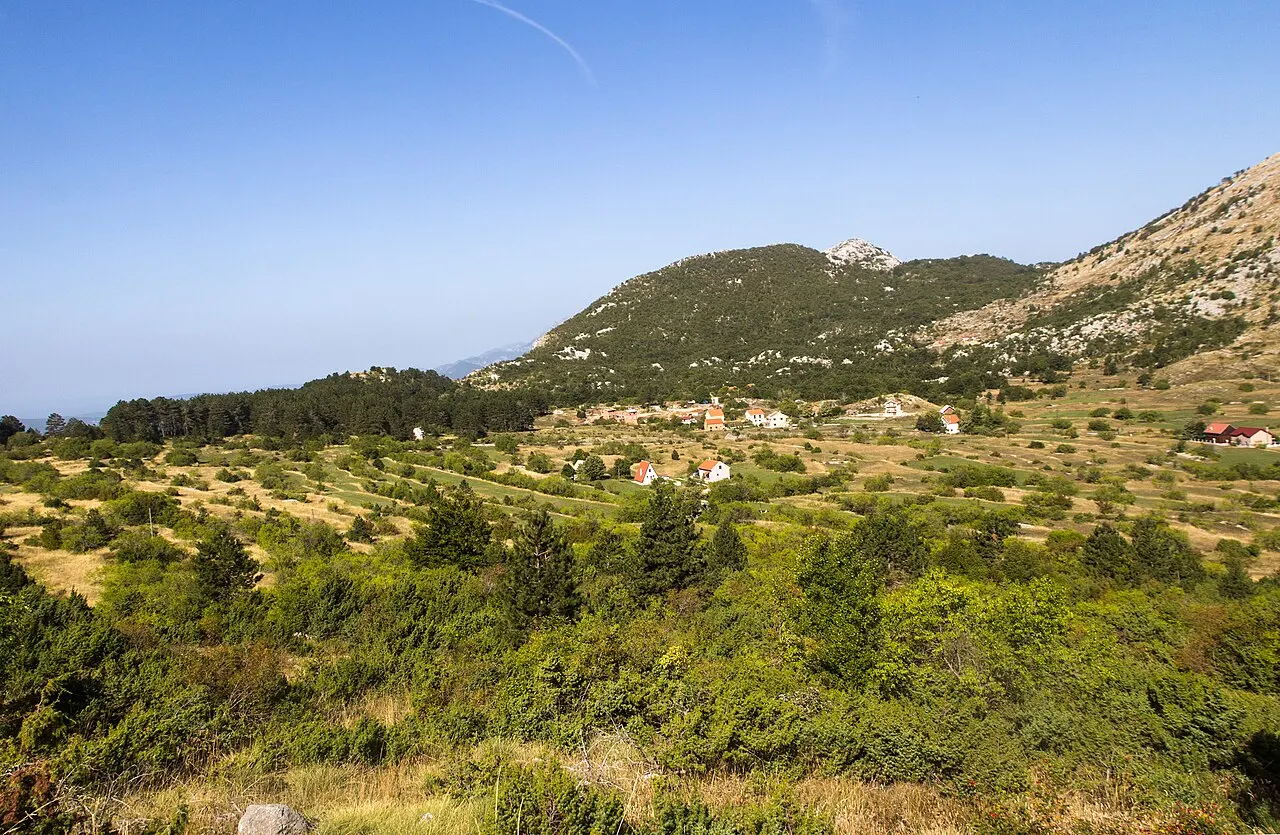
There are two very different ways to drive from Kotor to Cetinje, and the choice shapes your whole day. The romantic route is up and over Lovćen: the old serpentine road hairpins out of the bay, climbs past the prosciutto village of Njeguši and through Lovćen National Park, then drops down to Cetinje on the mountain's eastern side. It's slow, spectacular and full of viewpoints, and it lets you take in the mountain and the mausoleum on the same journey — the obvious pick if you want to combine Cetinje with Lovćen. It does demand a confident driver and a fine day.
The faster route swings the other way, on the main road via the Budva area and the well-engineered modern highway up to the old capital — less dramatic but quicker and easier, and the better bet in poor weather or if mountain switchbacks aren't for you. The clever move, if you have a car, is to loop: go up over Lovćen for the scenery and the mountain stops, and come back the faster way (or vice versa), so you see two landscapes in one day and never retrace your bends. If you'd rather not drive at all, organised tours regularly bundle Cetinje with Lovćen into a guided day, and a private driver will tailor the loop to you. We keep exact drive times out of the prose — they vary with route and traffic — so verify them when you plan.
- Scenic route: up over Lovćen via the serpentine and Njeguši — slow, spectacular, pairs with the mausoleum.
- Faster route: the main road via the Budva area — quicker and easier, better in poor weather.
- With a car, loop it: go up one way and return the other for two landscapes and no retraced bends.
- No car? Tours and private drivers regularly combine Cetinje and Lovćen into one guided day.
- Drive times vary by route and traffic — verify them when you plan.
 Lovćen Day Trip from Kotor
The serpentine, the cable car and the Njegoš Mausoleum — the natural pairing with Cetinje.
 The Njeguši Serpentine Road
Driving the switchbacks up from the bay toward Lovćen and Cetinje.
Map pins
Map data © OpenStreetMap contributors · Tiles © OpenFreeMap
The royal town on foot: palaces and museums
Cetinje's pleasures are walkable, and the best of them are royal. The centrepiece is the palace of King Nikola — the last and most flamboyant ruler of Montenegro — preserved as a museum of the monarchy, its rooms hung with portraits, weapons, decorations and the furnishings of a court that married into half the royal houses of Europe (Nikola was nicknamed the 'father-in-law of Europe' for it). Nearby, the cluster of national museums collectively known as the National Museum of Montenegro gathers the country's history and art across several buildings — historical, art and ethnographic collections that reward an hour or two of unhurried browsing.
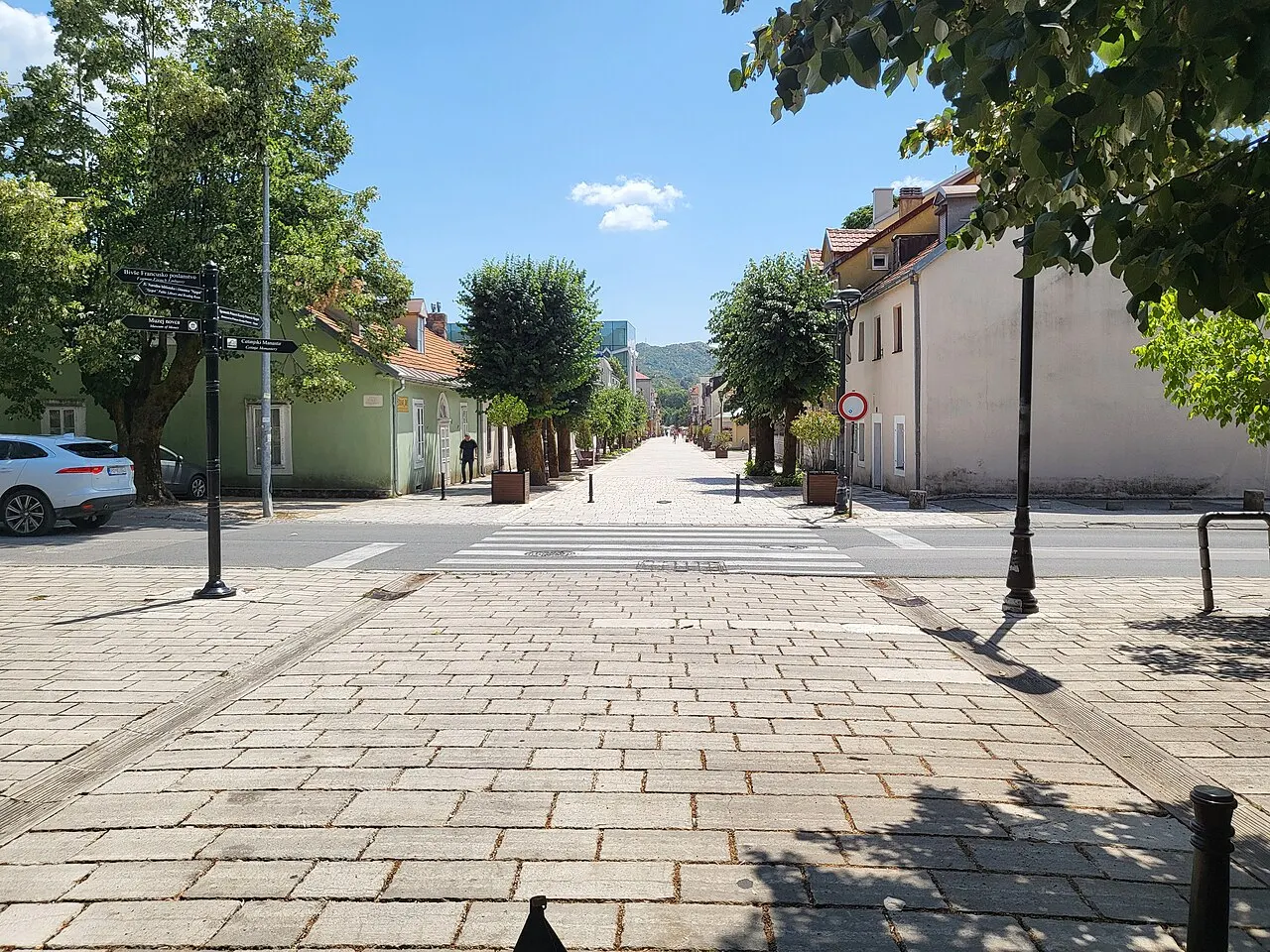
Don't miss the Biljarda, the low fortified residence built for Njegoš and named, improbably, for the billiard table he had hauled up the mountain to furnish it — a charming detail that says much about the man and the place. Inside, a relief map of Montenegro made by the Austro-Hungarian army gives a bird's-eye sense of the country's tangled mountains, a small marvel in its own right. Around these sights, the town itself is the attraction: stroll the main street and the leafy squares, pick out the former embassy buildings of Russia, Austria-Hungary, Britain, France and others, each a little grander than the modest town around it, and feel the strange, poignant weight of a tiny nation that once hosted the world. It's a place to wander and read the buildings, not to rush.
Leave time, too, for the quieter pleasures that make Cetinje more than a museum trail. The town has a slow, studenty, slightly bohemian air — it's home to Montenegro's art academy — and its cafés along the main pedestrian street are made for an unhurried coffee while you watch local life go by. There's a lovely contrast in spending the morning among crowns and court portraits and the afternoon nursing an espresso under the plane trees with the mountains rising at the end of the street. Pick up a little something from a bakery or a market stall, sit in one of the squares, and let the old capital's gentle, faded grandeur settle over you. A single combined or per-site ticket usually covers the museums; verify current prices and opening hours, which change seasonally and may close certain days.
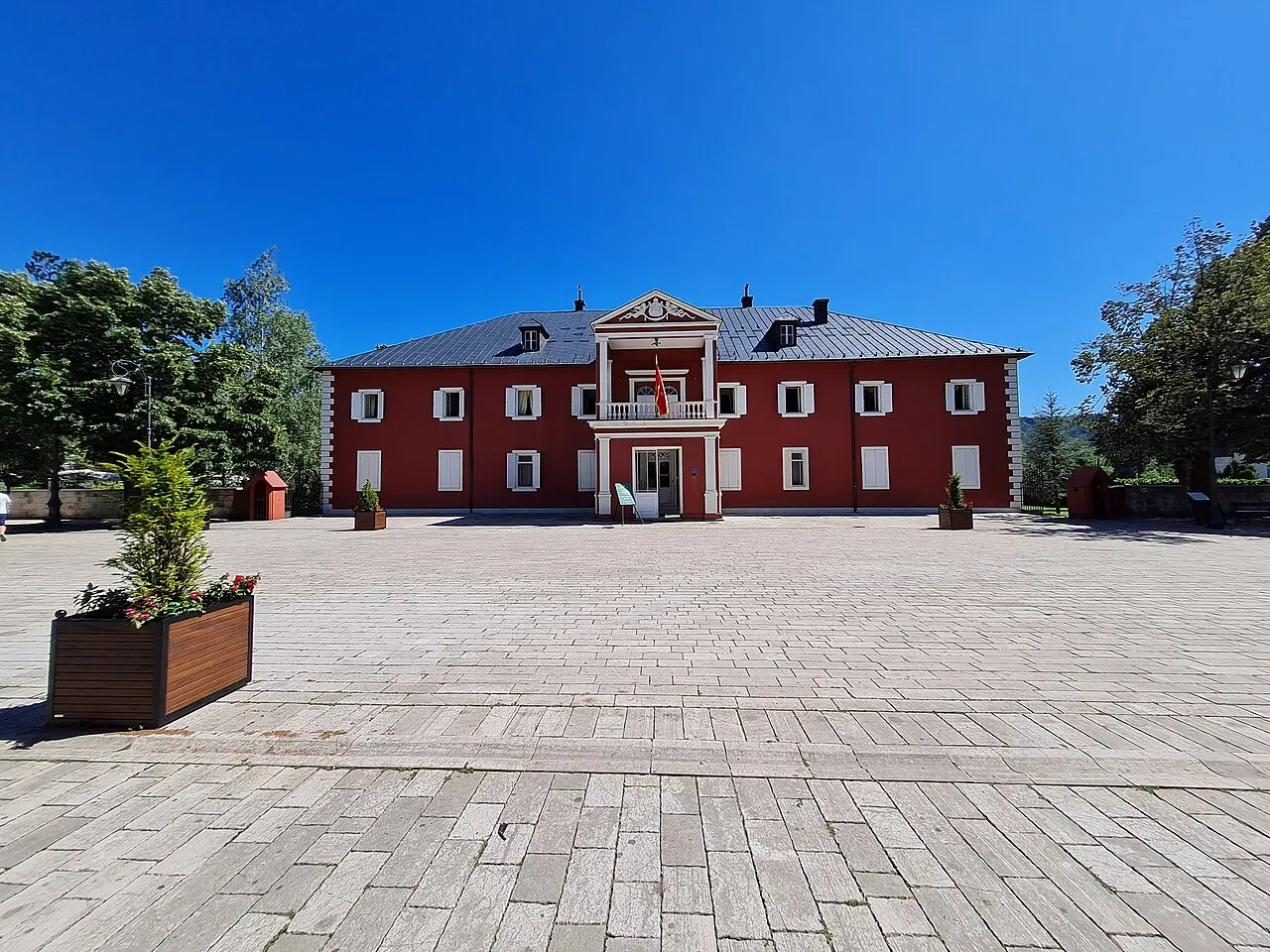
- King Nikola's palace: the monarchy preserved as a museum — portraits, weapons, royal rooms.
- The National Museum of Montenegro: historical, art and ethnographic collections across several buildings.
- The Biljarda: Njegoš's fortified residence, named for the billiard table hauled up the mountain.
- Walk the main street and squares to spot the grand former embassies of the great powers.
- Tickets cover the museums per-site or combined — verify current prices, hours and closing days.

Cetinje Monastery and its revered relics
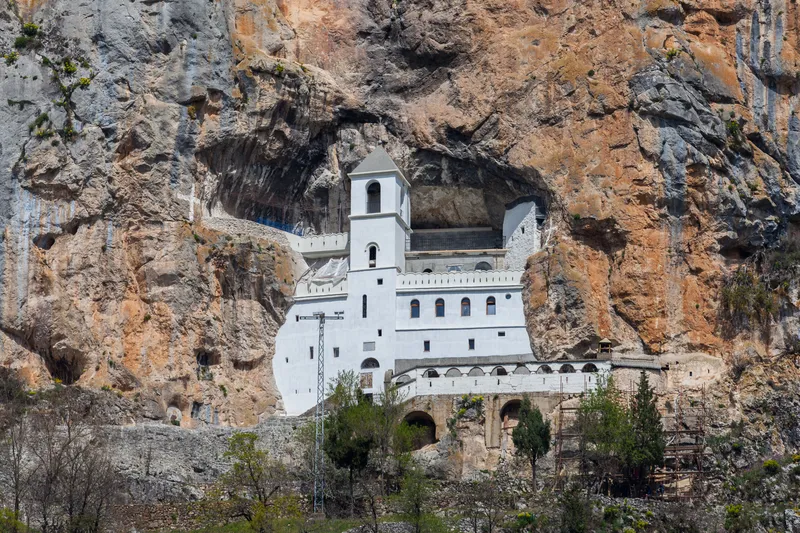
The spiritual heart of Cetinje, and for many visitors its single most memorable sight, is the Cetinje Monastery. Founded in the late fifteenth century and rebuilt over the centuries after Ottoman destruction, it has long been the seat of the Metropolitanate of Montenegro and a fortress of national as well as religious identity — a place where faith and statehood are deeply entwined. The complex is austere and atmospheric, its stone courtyards and chapel set against the bare mountains, and it remains a living, working monastery, so a respectful, modestly dressed visit is expected: cover shoulders and knees, and tread quietly.
What draws pilgrims and curious travellers alike are the relics it guards, said to include the right hand of St John the Baptist and a fragment of the True Cross — objects of extraordinary veneration, kept and shown according to the monastery's own rhythms. Whether you come as a believer or simply as a traveller moved by history, the monastery anchors a Cetinje visit and grounds all those royal museums in something older and deeper. Note that access to the most revered relics can be limited to certain times or services, and photography may be restricted inside; check the monastery's current arrangements and dress code before you go, and approach it as a sacred place rather than a sight to be ticked off.
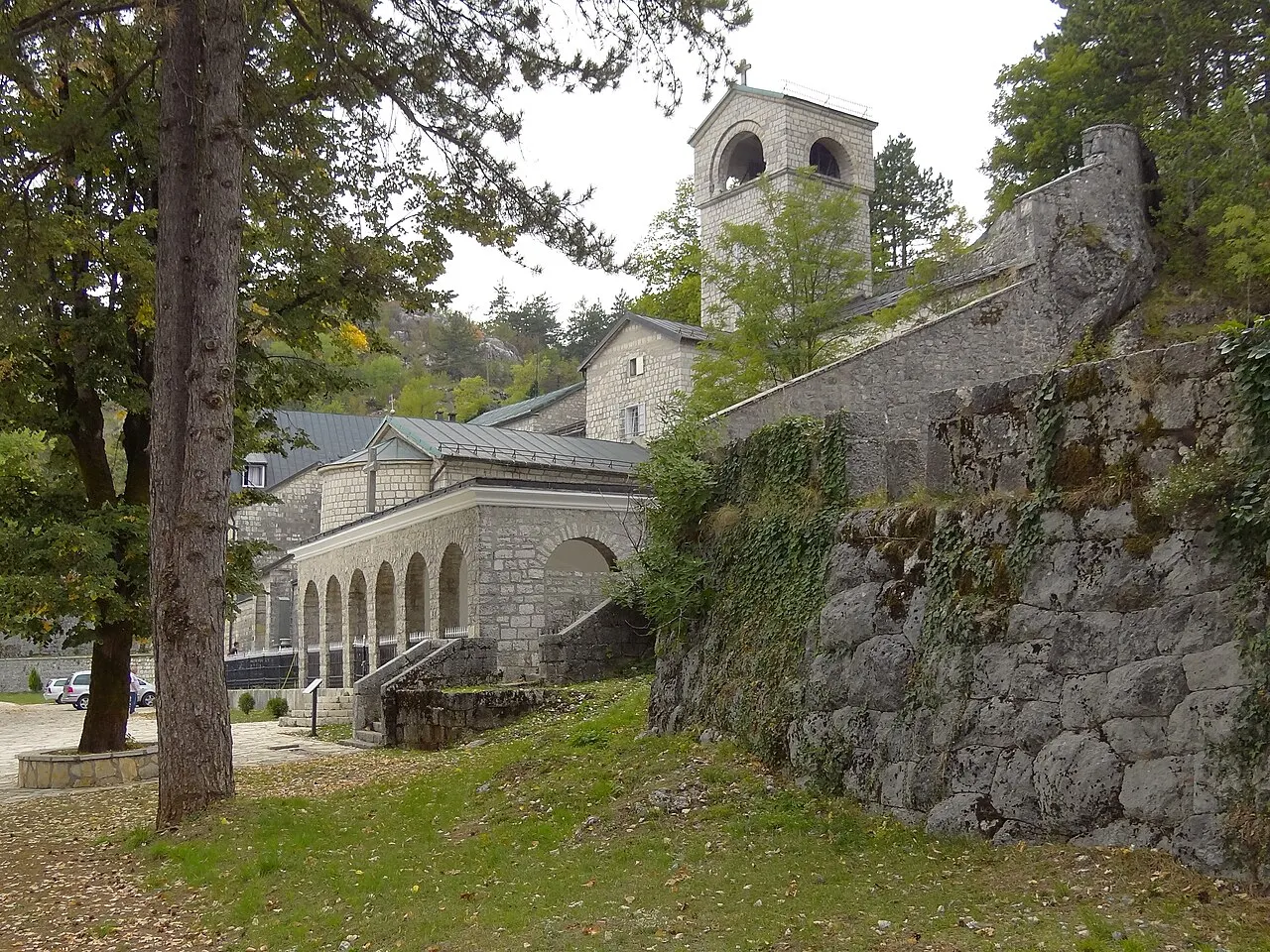
- Cetinje Monastery: founded in the late 15th century, seat of the Montenegrin church and a national symbol.
- Said to hold revered relics including the right hand of St John the Baptist and a piece of the True Cross.
- A living monastery — dress modestly (shoulders and knees covered) and visit respectfully.
- Relic access can be limited to certain times and photography may be restricted — check arrangements first.
- It grounds the royal museums in something older and deeper; approach it as a sacred place.

Pairing Cetinje with Lovćen — and planning the day
Because Lovćen sits squarely on the scenic road between Kotor and Cetinje, the two make a near-perfect single day, and most thoughtful itineraries treat them together. A classic plan: drive up the serpentine in the morning with a prosciutto stop at Njeguši, climb to the Njegoš Mausoleum for the great panorama, then descend to Cetinje for an afternoon of palaces, museums and the monastery, returning to Kotor by the faster road as the light goes. It's a full, rich day that takes in mountain, monument and old capital in one sweep, and it's the way to do Cetinje if you have only one day to spare in the highlands.
If you'd rather give Cetinje its own unhurried visit, that works too — take the faster road both ways and spend the saved time wandering the squares and lingering in the museums. Either way, a few practical notes. Cetinje sits high, so it's cooler than the coast; bring a layer. Many museums and the monastery keep seasonal hours and can close on certain days, so check before you commit a day to them — there's little worse than arriving to find the palace shut. Bring some cash for tickets and a tavern lunch, and set realistic expectations: Cetinje is about history, architecture and atmosphere, a quiet and cerebral day, not beaches or nightlife. Come for the story of Montenegro, and Cetinje delivers it like nowhere else. We keep all moving details — hours, prices, drive times — flagged to verify, because they change.
- Pair with Lovćen: serpentine and mausoleum in the morning, Cetinje's town in the afternoon, fast road home.
- Prefer Cetinje alone? Take the faster road both ways and give the museums and squares more time.
- Cetinje sits high and is cooler than the coast — bring a layer.
- Check seasonal hours and closing days for the museums and monastery before you go; carry some cash.
- Set expectations: history, architecture and atmosphere — a quiet day, not beaches or buzz.
Lovćen Day Trip from KotorThe mountain half of the classic combined day — serpentine, cable car and mausoleum.
Day Trips from KotorWeigh Cetinje against the bay, the coast, Dubrovnik and the other inland wonders.
 Kotor Itineraries
Where a Cetinje-and-Lovćen day fits in a two or three-day plan around the bay.
Lovćen Day Trip from Kotor
How to day-trip from Kotor to Lovćen National Park: the four ways up — the old serpentine road, the Kotor–Lovćen cable car, an organised tour or a private driver — the Njegoš Mausoleum on its peak, the Njeguši stop, the viewpoints, timing, and an FAQ.
Read guideNjeguši & the Serpentine Road
How to plan the old serpentine road above Kotor to Njeguši — the hairpin climb out of the bay, the famous viewpoints, the pršut-and-cheese stop, when to go, who should drive it, and the traffic-rule caveats to verify.
Read guide
A Traveler's History of Kotor
A traveler-friendly primer on Kotor's history before you walk the town: Illyrian and Roman roots, Byzantine and Serbian rule, four centuries under Venice, the bay's seafaring fortunes, earthquakes, the world wars and UNESCO protection.
Read guideMore in Day Trips
6
Bar & Ulcinj Day Trip from Kotor
When Montenegro's far southern coast is worth the long drive from Kotor: Old Bar's ruined hill town and ancient olives, Bar's port, Ulcinj's walled quarter and the great sand of Velika Plaža and Ada Bojana — plus the tradeoffs.
Read guide
Budva Day Trip from Kotor
How to do Budva as a day trip from Kotor: the short coast drive, the bus and tour options, the walled Old Town, the riviera beaches and nightlife, and an honest verdict on how long Budva really needs.
Read guide
Dubrovnik Day Trip from Kotor
Making Dubrovnik a day trip from Kotor: the cross-border distance, the two crossings and their summer queues, tour versus self-drive, how the day shapes up, and an honest verdict on when it is simply too ambitious.
Read guide
Durmitor Day Trip from Kotor
How to reach Durmitor National Park and the Black Lake from Kotor: the long drive north, what the park holds, the season, getting there by car or tour, and the honest day-trip-versus-overnight tradeoff for Montenegro's high mountains.
Read guide
Herceg Novi Day Trip from Kotor
How to do Herceg Novi as a day trip from Kotor: the drive with the Kamenari–Lepetane ferry shortcut, the stepped Old Town and its fortresses, the long seafront promenade and beaches, and when Herceg Novi beats Budva.
Read guide
Luštica Peninsula from Kotor
How to plan a Luštica Peninsula day from Kotor: the two ways in — by boat for the Blue Cave and outer coves, or by road via the ferry for the beaches and villages — plus the best swimming, the villages, and how to shape the day.
Read guide