
Kotor Weather Guide
What Kotor's weather actually means for your trip — boat days, the fortress climb, swimming, driving the mountain roads, packing and winter visits, season by season around the Bay of Kotor.

- ✓Kotor has a Mediterranean climate of hot, dry summers and mild, very wet winters — but the steep, enclosed bay exaggerates both ends.
- ✓It is genuinely one of the wettest towns in Europe: the mountains wring heavy rain out of Adriatic air, mostly from late autumn through winter.
- ✓Summer is hot and dry, which is glorious for swimming and brutal for the fortress climb — the bare limestone bakes, so climb early or late.
- ✓The sea holds its warmth into autumn, so swimming often stays comfortable through September and into a mild early October.
- ✓Weather decides boat days and mountain drives: wind cancels the open-water trips, and cloud or ice can close in fast on the high serpentine road.
Kotor's climate in one paragraph
Kotor sits at the very back of a deep, steep-walled bay, hemmed in by the limestone giants of Lovćen and Orjen. On paper that's a Mediterranean climate — hot, dry summers and mild, wet winters — but the geography turns the dial up at both ends. In summer the high walls trap heat and still air, so the town and especially the fortress path can feel hotter than the coast just outside the bay. In autumn and winter those same mountains force moist Adriatic air upward until it dumps its water, which is why Kotor is famously, statistically one of the wettest inhabited places in Europe. Understanding that one fact — enclosed bay, extreme rain — explains almost everything else about the weather here.
The practical upshot is that the season you choose shapes the trip more than in most places. The rest of this guide walks through what the weather means for the things people actually come to do: getting on the water, climbing the walls, swimming, driving the mountain roads, and visiting off-season — plus what to pack for each. Treat exact temperatures and rainfall figures as things to check close to your dates, because they vary year to year; we keep the verified numbers light and lead with the judgement.
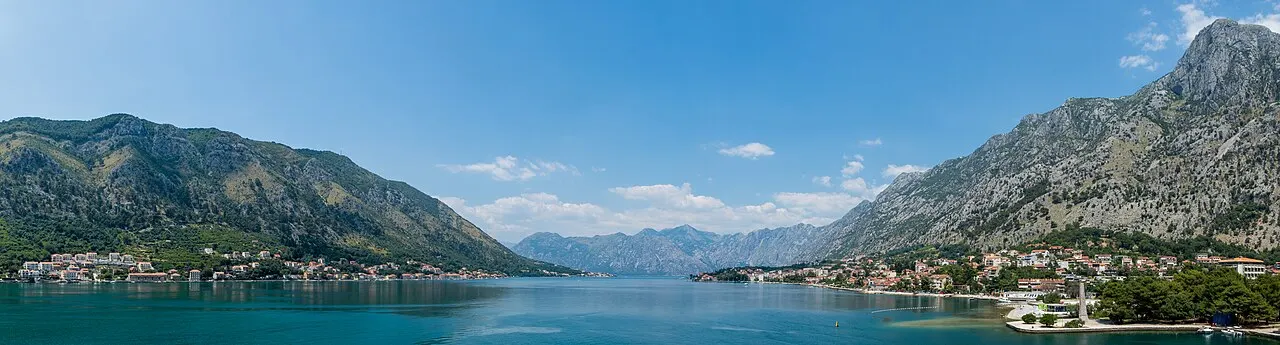

Summer weather: hot, dry, and hard on the climb
From roughly June to early September the bay settles into hot, dry, reliably sunny weather — the holiday postcard. Days are long, the sea is warm, the evenings stay balmy late into the night, and rain is the exception rather than the rule. For swimming, boat days and lingering dinners on the water, this is the climate everyone pictures, and it delivers.
The catch is the heat and where you feel it. The enclosed bay holds the warmth, and the city walls and the bare stone path up to St John Fortress have almost no shade — by mid-morning in July or August the climb becomes genuinely punishing, and on the worst days it's a real health risk for the unprepared. The fix is timing, not avoidance: do the walls at first light or in the late afternoon when the stone has cooled, carry far more water than feels necessary, and never start up at midday in high summer. The same heat makes the middle of the day the time to be on or in the water rather than on the rocks.
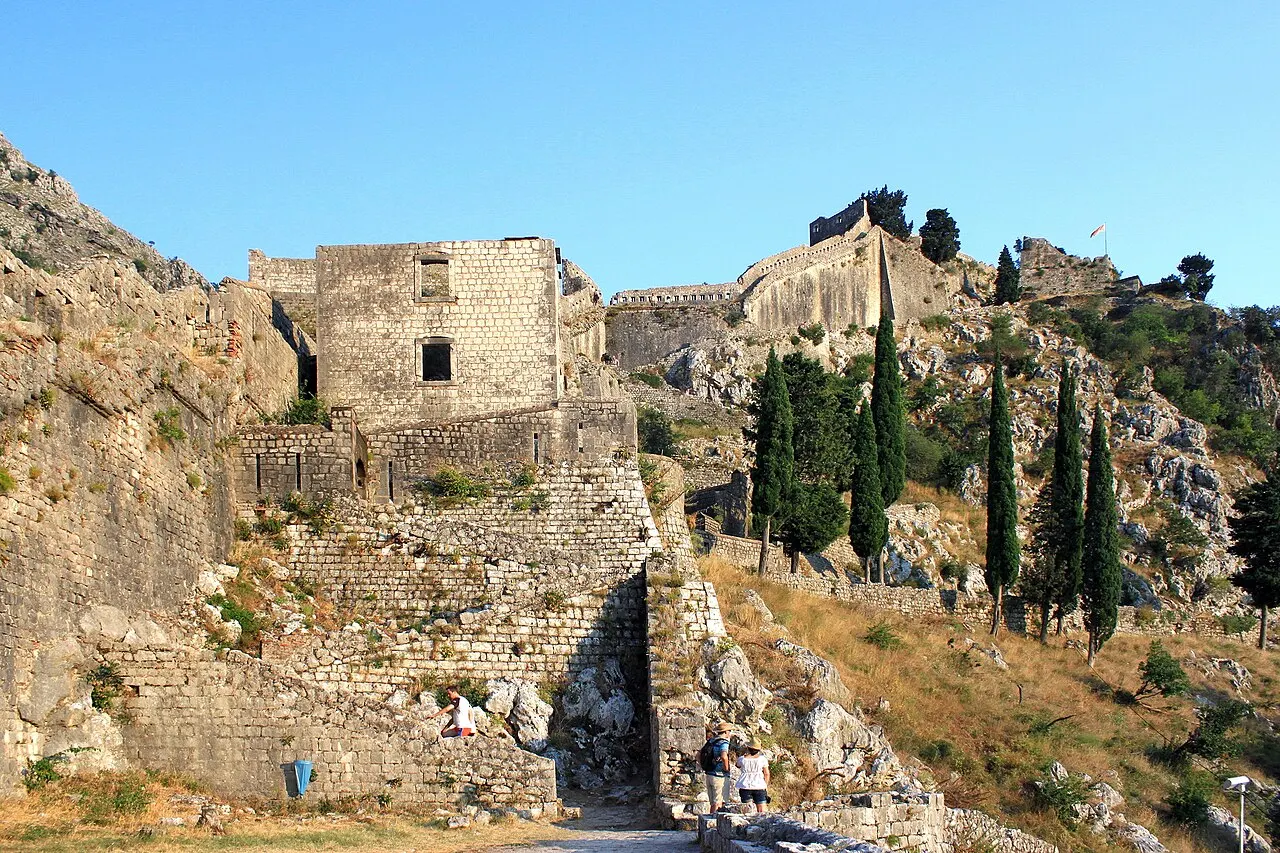
- June–early September: hot, dry, long sunny days; rain is uncommon.
- The bay traps heat — the fortress climb is brutal at midday with little shade.
- Climb at sunrise or late afternoon, carry plenty of water, and spend the hot hours on the water.
 Kotor Fortress Hike
How to time the climb around the summer heat.
 Best Swimming Spots in the Bay
Where to cool off on the hottest afternoons.
Map pins
Map data © OpenStreetMap contributors · Tiles © OpenFreeMap
Spring and autumn: the shoulder seasons
Spring (roughly April to early June) and autumn (September into October) are when Kotor's weather is at its most pleasant for almost everything except guaranteed swimming. The air is warm but not oppressive, the stone is cool enough that the fortress climb becomes a pleasure rather than an ordeal, and the light is long and golden over the bay. Crowds are thinner than peak summer, and the bay is green and fresh in spring, mellow and amber in autumn.
The trade-offs run in opposite directions across the two. Spring warms up but the sea lags behind the air, so swimming is a cold proposition until late May, and April can throw a wet, changeable day at you. Autumn is the mirror image: the sea is still warm from summer — often warmer in September than in June, because the bay banks its heat — so swimming stays comfortable through September and frequently into early October, but the first real autumn rains start to arrive as October goes on. Both shoulders are excellent for walking, sightseeing and the mountain drives; pack a light layer and a rain shell and you'll handle whatever the day brings.
- Spring: warm air, cool climbing weather, green hills — but a cold sea until late May and the odd wet day.
- Autumn: warm sea well into September, golden light, softer crowds — first heavy rains from mid-October.
- Both are the kindest seasons for the fortress climb and the mountain roads.
Winter weather: mild, moody, and very wet
Winter is where Kotor's reputation as one of Europe's wettest towns earns itself. From late autumn through winter the mountains squeeze heavy, drenching rain out of the Adriatic air — not the occasional shower, but days of serious downpour and the kind of rainfall totals that make meteorologists' lists. Temperatures stay mild rather than freezing at sea level, so it's rarely about cold; it's about water. When it rains here, it really rains, and the runoff pours off the mountains in dramatic temporary waterfalls down the bare rock.
That said, winter has a real, quiet magic for the right traveller. Between the fronts come bright, still, crystalline days when snow caps Lovćen and Orjen above a glassy bay and the empty Old Town belongs to the cats and the locals. Prices are at their lowest and the lanes at their most atmospheric. But you must plan for the weather: pack serious waterproofs, build indoor anchors (museums, churches, konobas) into every day, expect some boat operators and seasonal restaurants to be closed, and keep the itinerary flexible. The fortress climb can be slick and sometimes not worth the risk in the wet, and the high mountain roads can carry snow and ice even when the bay below is mild.
- Among Europe's wettest towns — winter brings heavy, prolonged rain, not light showers.
- Mild rather than freezing at sea level; the issue is water, not cold.
- Bright spells are magical — snow on the peaks above a still bay, empty lanes, low prices.
- Plan indoor anchors, pack real waterproofs, and expect seasonal closures and slick climbs.

What the weather means for boat trips
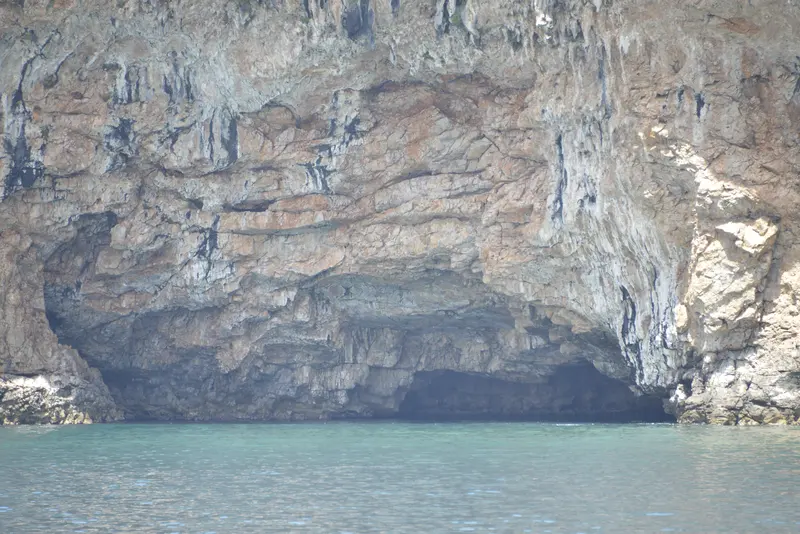
On the water, weather isn't a backdrop — it's the deciding factor. The sheltered inner bay is usually calm, so the gentle classics like the Perast and Our Lady of the Rocks loop run in a wide range of conditions. But the trips that venture out toward the bay mouth and beyond — the Blue Cave, the open-sea coves around Luštica — depend on calm water, and they're routinely cancelled or curtailed when the wind gets up. A booking is always provisional on the day's sea state.
Two winds matter most. In summer the maestral, a thermal sea breeze, tends to build through the afternoon, ruffling the water and making mornings the smoother, more reliable time for an open-water trip. In the cooler months the bura can sweep down off the mountains, cold and gusty, and shut the outer trips down entirely. The lesson is simple: book flexible, favour the morning for anything beyond the inner bay, and always confirm with the operator that your trip is actually running before you build a day around it. When the open-water trips are off, the sheltered inner-bay routes are usually still a lovely fallback.
- Sheltered inner-bay trips (Perast, Our Lady of the Rocks) run in most conditions.
- Open-water trips (Blue Cave, outer coves) need calm seas and are wind-cancelled often.
- Summer's afternoon maestral and the cold-season bura both stir the water — mornings are calmer.
- Always confirm the boat is running on the day; keep a sheltered fallback in mind.

What the weather means for swimming and driving
For swimming, the rule is that the sea lags the air in both directions. The bay warms slowly through spring, so even on a hot May day the water can still feel bracing; but it cools just as slowly in autumn, banking its summer heat, so swimming usually stays comfortable from June right through September and often into a mild early October. The inner bay's calm, sheltered coves are the warmest and friendliest water; the cooler, fresher patches tend to be where mountain streams and springs feed in. If swimming is central to your trip, aim for high summer for warmth and early autumn for warmth-plus-quiet.
For driving, weather matters most up high. The bay roads are fine in normal conditions, but the famous serpentine to Njeguši and Lovćen is a narrow, exposed mountain road where cloud, fog, heavy rain or ice transform a glorious drive into a hazardous crawl with no view. Mountain weather changes fast and runs colder than the bay below — the high sections can hold snow and ice in winter and the shoulders even when the coast is mild. Check the forecast for the heights, not just the town, before committing to the climb, and simply save it for a clear day if the weather is wrong.
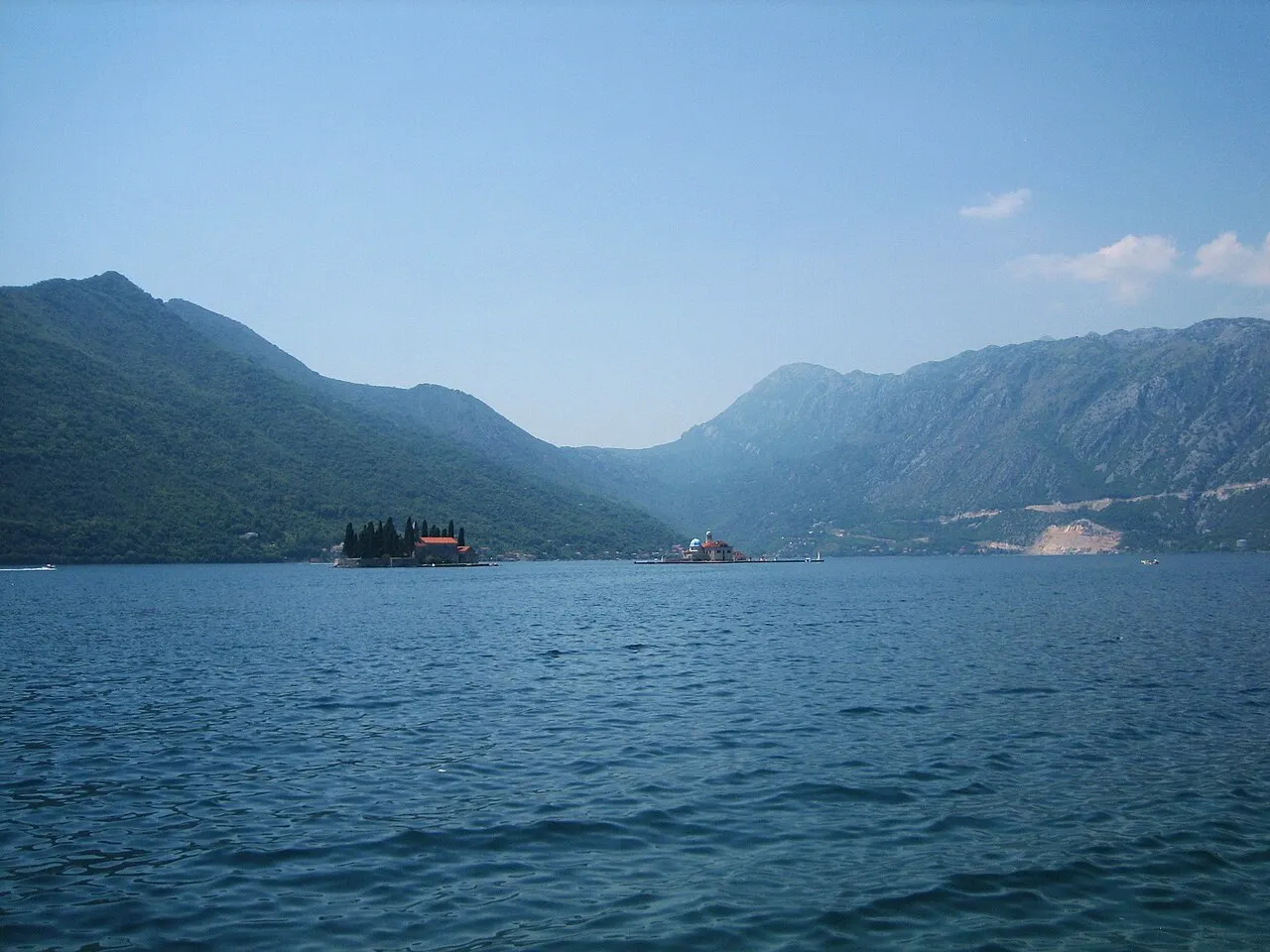
- Sea is comfortable roughly June–September, often into early October; the calm coves are warmest.
- The bay holds warmth, so autumn swimming outlasts the air temperature.
- The serpentine and Lovćen roads are weather-sensitive — fog, rain and ice are real hazards.
- Check the mountain forecast separately; the heights run colder and wetter than the bay.
Packing for Kotor's weather, season by season
Whatever the season, two things travel with you everywhere in Kotor: shoes with grip for the polished, uneven cobbles and the fortress steps, and a way to deal with rain, because the bay can surprise you outside high summer. Beyond that, pack to the season. Summer wants light, breathable clothes, strong sun protection and a hat for the shadeless climb, plus swimwear and water shoes for the rocky coves. Spring and autumn want layers and a packable rain shell, because a warm afternoon can turn wet and the evenings cool down on the water.
Winter is the one to pack seriously for: a properly waterproof jacket, not a token one, and a small umbrella, because this is genuine downpour country, plus a warm layer for the still, clear days. Year-round, a modest cover-up earns its place if you plan to step inside St Tryphon Cathedral or the bay's smaller churches, where bare shoulders and very short shorts may not be welcome. Our dedicated packing guide goes deeper, but the weather-driven essentials are simple: grippy shoes, sun cover in summer, and real waterproofs the rest of the year. Treat exact temperature and rainfall figures as things to verify for your dates.
- Year-round: grippy shoes for cobbles and steps, plus a rain plan outside high summer.
- Summer: light clothes, strong sun protection, a hat, swimwear and water shoes.
- Spring/autumn: layers and a packable rain shell for changeable days and cool evenings.
- Winter: serious waterproofs and an umbrella — Kotor's rain is no myth.
- Carry a modest cover-up for the cathedral and smaller churches.

Best Time to Visit Kotor
A month-by-month guide to the best time to visit Kotor, weighing cruise crowds, fortress-climb heat, boat-trip and swimming season, rain, prices and the bay's calendar of events.
Read guideWhat to Pack for Kotor
A practical packing list for Kotor — the right shoes for polished cobbles and the fortress steps, sun cover for the shadeless climb, gear for boat days and rocky swims, a modest cover-up for the churches, and real waterproofs for the bay's wet seasons.
Read guide
Rainy Day Kotor Guide
What to do in Kotor when it rains: the maritime and cat museums, St Tryphon Cathedral and the Old Town churches, snug cafés and konobas, covered palazzo courtyards, hotel spas, and bay plans that still work in wet weather.
Read guideMore in Practical
6
Accessible Kotor Travel Guide
An honest accessibility guide to Kotor — the flat-but-cobbled Old Town, the stair-only fortress climb, cruise-port access, taxis and transfers, level waterfront walks, museums, accessible hotels, and realistic routing that plays to the town's strengths.
Read guide
Driving in Kotor and Montenegro
What it's really like to drive in Kotor and Montenegro: narrow two-lane bay roads and summer traffic, the white-knuckle serpentine, tunnels, the Kamenari–Lepetane ferry shortcut, rental and cross-border cautions, parking, fuel and mountain-route planning.
Read guideDubrovnik to Kotor
How to get from Dubrovnik to Kotor: the cross-border bus, the hire car, the private transfer, the two border crossings and their summer queues, whether it works as a day trip, and when staying overnight is the better call.
Read guide
Getting Around Kotor
How to get around Kotor and the Bay of Kotor: when to walk, take a local bus, hail a taxi, hop a boat, drive and park, use the Kamenari–Lepetane ferry, or book a private driver.
Read guide
How to Get to Kotor
How to get to Kotor: the three nearest airports — Tivat, Podgorica and Dubrovnik across the border — plus bus, car, cruise ship and private transfer, with a practical FAQ.
Read guide
Is Kotor Safe?
Practical, honest safety advice for Kotor — wandering the Old Town, night walks, boat trips, the fortress climb, driving the mountain roads, solo and female travel, and cruise-day crowds.
Read guide